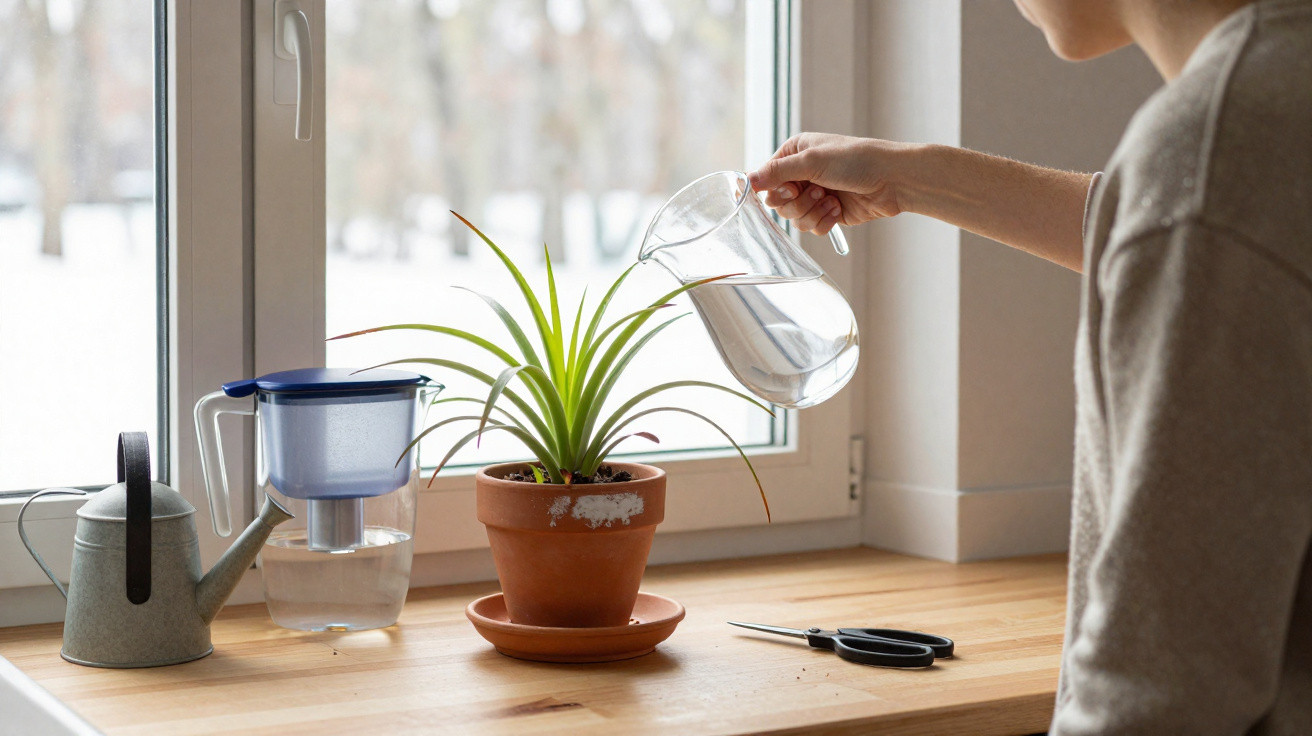
Many people immediately reach for the watering can, assuming their plant needs a drink. Yet the real cause is often the watering method - and the water itself.
Why spider plant tips turn brown in winter
Spider plants generally thrive throughout spring and summer, but winter brings different conditions. Growth becomes slower, daylight hours decrease and central heating lowers indoor humidity. Although the plant takes up less water, it can appear more delicate.
Dry, brown, papery leaf ends are seldom caused by “dry air only”. More often, they indicate a gradual build-up of chemicals in the potting compost. This accumulation is most pronounced in winter, when the roots operate more slowly and the plant finds it harder to deal with what surrounds them.
Brown tips on spider plants are often a sign of mineral and salt stress in the soil, not simple underwatering.
Every watering leaves a small amount of minerals behind. As time passes, their concentration around the roots increases. The plant may continue growing, but the leaf tips - the most exposed and sensitive parts - are usually the first to respond by drying out and dying back.
The classic mistake: watering more makes it worse
When foliage is damaged, many plant owners conclude that thirst is the problem. Watering more seems like the obvious solution, but for spider plants, particularly during winter, it can often make matters worse.
While the plant is semi-dormant, it requires less moisture. Surplus water remains in the pot rather than being taken up, creating two problems at once: waterlogged compost and a greater concentration of dissolved salts.
The roots are left in compost with poor aeration, where oxygen levels fall. This makes them weaker and increases the risk of root rot. Meanwhile, each additional watering releases further minerals from tap water and builds them up around the roots.
The plant looks worse, not because it was thirsty, but because weakened roots now face a harsh, salty environment.
In reality, brown tips then become just one of several warning signs. You might also notice:
- Leaves becoming limp and drooping even though the compost is wet
- Older leaves turning yellow from the base
- A sour or musty odour coming from the potting mix
- White deposits on the compost surface or around the edge of the pot
At this point, more water will send the plant further into decline. Instead, it needs changes to both the timing and the quality of watering.
Tap water, salts and the hidden build-up in the pot
Spider plants are notably sensitive to minerals dissolved in tap water. In many areas, mains water contains appreciable levels of calcium, magnesium, sodium and a range of trace elements. While some of these are useful for people, they can build up beyond tolerable levels in the confined space of a plant pot.
Whenever you water, some of those minerals remain in the compost. The concentration rises even more if drainage is poor or water is allowed to sit in the saucer, as the moisture evaporates while the salts are left behind.
Over time, this affects the soil’s chemical balance. The roots may still work, but the tips of the leaves - furthest from the base and effectively at the “end of the line” for sap flow - show damage first. They become dry, fade to tan and eventually turn dark brown.
The fluoride issue many people ignore
Fluoride is particularly worth considering. In various countries, water suppliers add fluoride to improve dental health. Spider plants often react poorly to this compound. Unlike chlorine, which can disperse into the air after water has been left to stand, fluoride remains in both the water and the compost.
Fluoride does not evaporate from tap water, so letting water sit overnight will not prevent fluoride-related brown tips.
This reaction is not an indication of disease or pests. It is a predictable physiological response from a plant exposed to a gradual excess of substances it cannot process effectively, especially when lower temperatures and reduced light slow its metabolism.
How to change your watering habits, not just the amount
Correcting brown tips on a spider plant rarely means “add more moisture”. It is more often about “switch to gentler water and smarter timing”. The three main factors are water quality, quantity and frequency.
Choosing the right water
Many growers notice clear improvements after using a softer water source instead of tap water for several weeks. Typical choices include:
| Type of water | Pros | Cons |
|---|---|---|
| Rainwater | Very low in salts; usually free; ideal for sensitive houseplants | Availability depends on weather and storage; may need a clean container |
| Demineralised / distilled water | Consistent quality; low minerals; good for flushing salts | Costs money; comes in plastic containers for many buyers |
| Mix of tap and demineralised | Reduces overall mineral load; practical compromise | Fluoride and hardness drop but do not disappear |
Leaving tap water for 24 hours allows chlorine to dissipate, but it will not remove fluoride or most dissolved minerals. If a plant already has brown tips, using only rainwater or demineralised water for a period will usually provide quicker relief.
Adjusting when and how much you water
Because spider plants grow more slowly in winter, they need a drier watering routine than they do in summer. Before watering, feel the top few centimetres of compost with your finger. Water if it feels cool and dry; if there is still slight dampness, wait longer.
When watering is needed, soak the root ball properly and then let any excess drain away freely. Empty the saucer after 15 minutes. This simple habit helps to avoid persistent waterlogging and the build-up of salts around the bottom of the pot.
Deep, less frequent watering with soft water protects the roots far better than frequent sips of hard tap water.
Dealing with existing brown tips
A leaf tip will not become green again once it has turned brown, because that section of tissue has died. However, you can neaten the plant without causing harm.
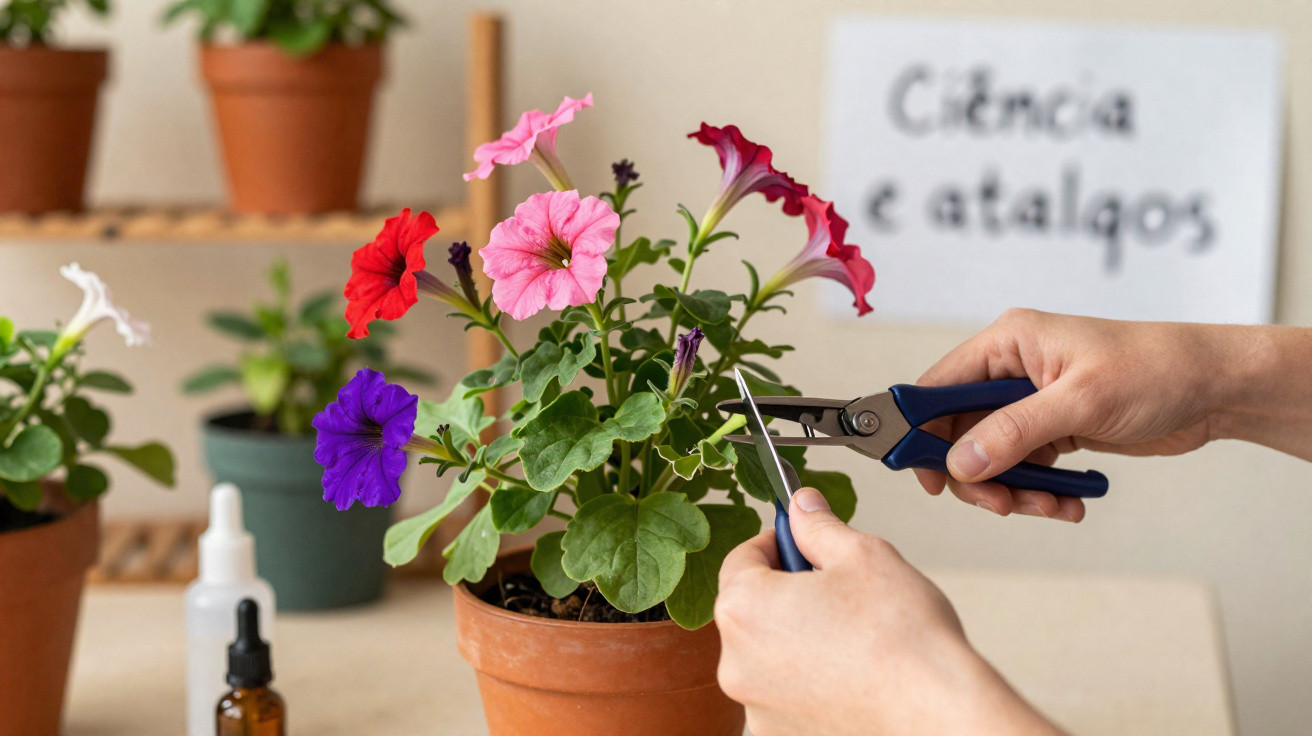
Take clean, sharp scissors and trim away the damaged section at an angle, following the leaf’s natural shape as closely as possible. Keep a slim strip of brown tissue between the cut and the healthy green part so that you do not create a new point of stress.
This is a cosmetic measure rather than a cure. It improves the plant’s appearance while you address the underlying issue: improved water and drainage. The real evidence that your approach is working will appear in new growth, which should be full, evenly coloured and without crisp ends.
When salt stress goes too far
In serious cases, the compost can hold so many minerals that simply changing the water source will not be sufficient. Repotting is then the more effective solution.
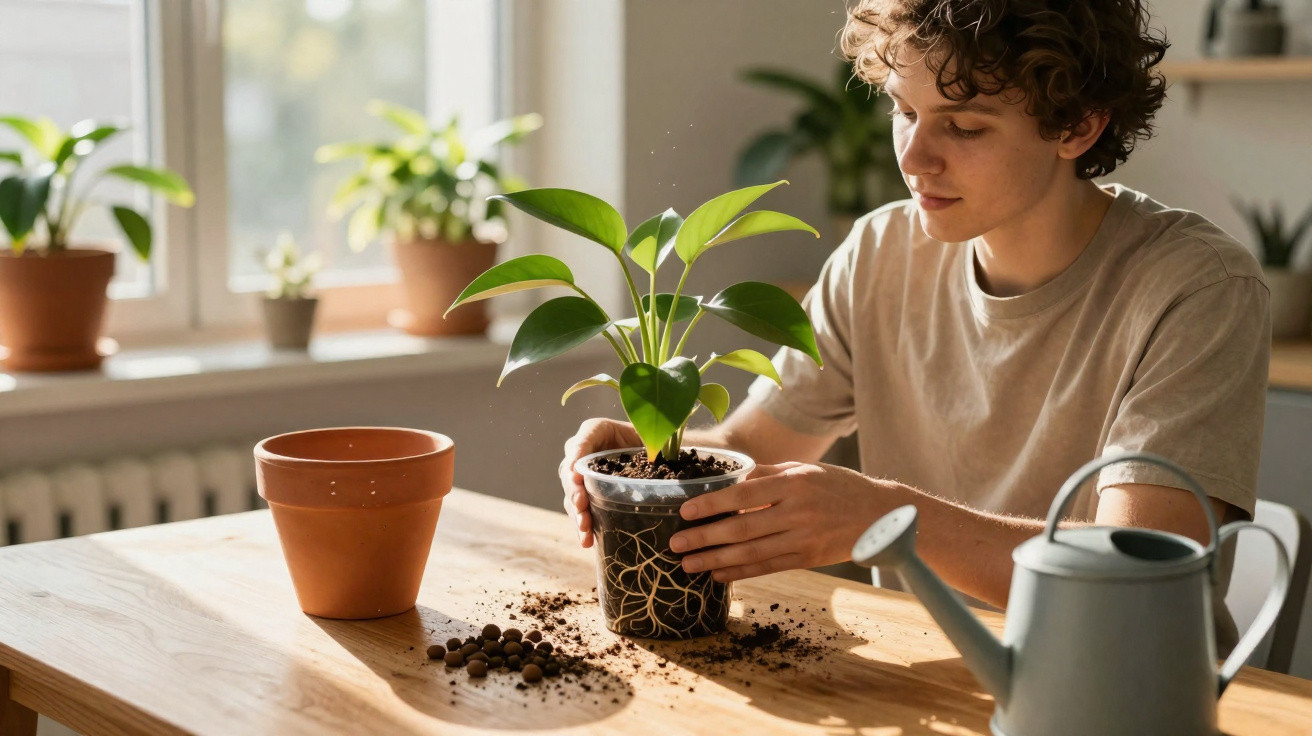
Lift the plant out carefully, remove as much of the old compost as possible without damaging the roots and move it into fresh, free-draining potting mix. A houseplant compost blended with added perlite or coarse sand works well for spider plants.
Once repotted, water generously with soft water to settle the roots and wash away remaining salts. Keep the plant out of direct midday sun, particularly in winter, allowing it to recover gradually.
How to create a low-stress environment for spider plants
Water quality is important, but several other small conditions can combine to put a plant under stress. A few simple changes can make a noticeable difference:
- Position the plant away from hot radiators and cold draughts.
- Give it bright, indirect light rather than placing it in a dark corner or harsh midday sun.
- Turn the pot every few weeks to promote even growth and balanced light exposure.
- Wipe dust from the leaves occasionally so they can photosynthesise more efficiently.
- Feed sparingly during spring and summer, and stop fertilising in winter.
Liquid fertilisers also introduce salts, so applying them lightly and only while the plant is actively growing prevents another source of accumulation. Spider plants do not usually need heavy feeding to remain lush.
Extra tips for plant owners worried about brown tips
Many indoor gardeners regard brown tips as proof that they are “bad with plants”. In fact, spider plants can be helpful teachers. They respond clearly to environmental shifts, making it easier to understand the relationship between water, light and soil.
To assess the effects of different types of water at home, try a straightforward comparison. Put two small spider plant divisions in matching pots on the same windowsill. Water one exclusively with tap water and the other only with rainwater or demineralised water for three to four months. Then compare the leaf tips, colour and overall vigour. This small “experiment” can often build more confidence than any manual.
There is also a safety consideration. Some people use household remedies, such as vinegar or large quantities of bicarbonate of soda, in an attempt to lower water hardness without taking measurements. These rapid fixes can alter the compost’s pH too drastically and place the roots under stress. A milder and more dependable method is to use softer water, ensure good drainage and fertilise modestly, rather than making improvised chemical changes.
Once you understand that brown tips are linked as much to chemistry as moisture, your approach to winter plant care changes entirely. You begin to consider what is in the watering can as closely as what is happening inside the pot, and spider plants often respond with cleaner foliage and more arching shoots.




Comments
No comments yet. Be the first to comment!
Leave a Comment