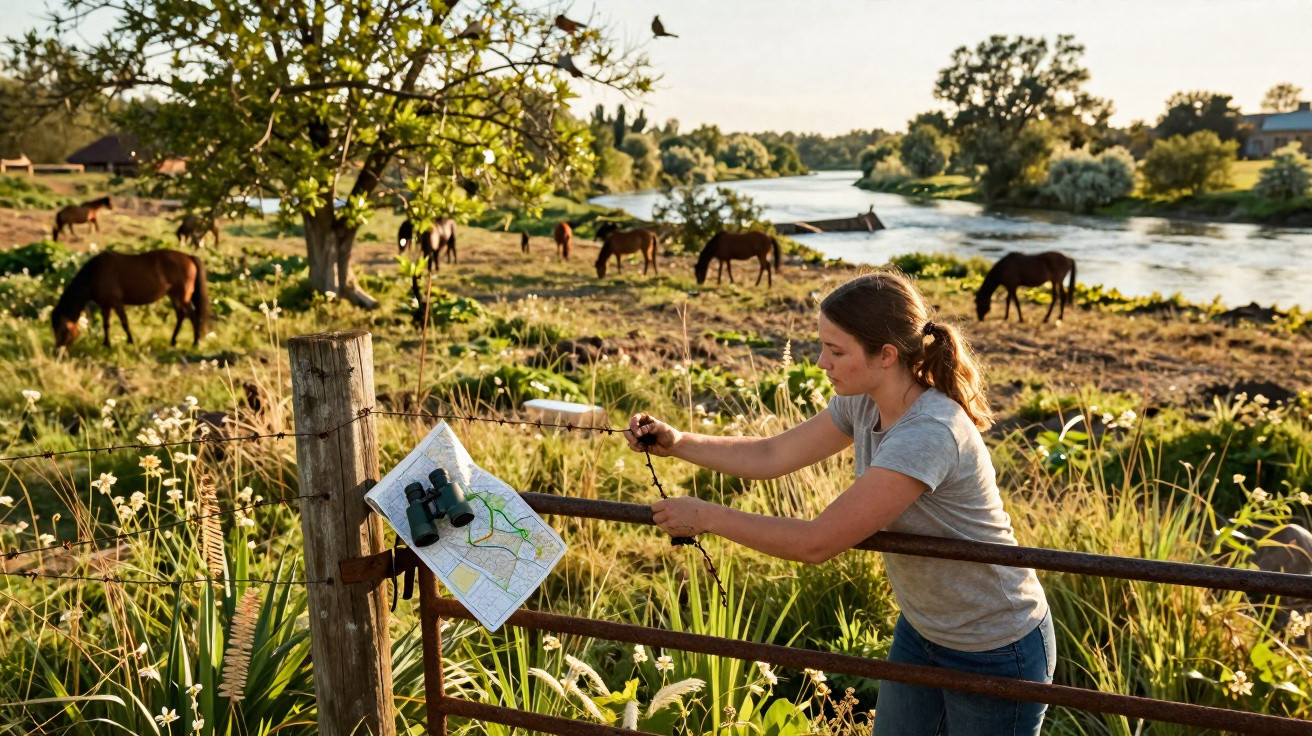
Temperatures are rising, forests are burning and species are disappearing – for many people, the daily barrage of environmental news feels like a countdown to disaster. Yet something is happening in parallel that often receives far less attention: a growing number of countries, cities and initiatives are embracing “rewilding”, allowing nature to take the lead again. This is precisely what World Rewilding Day 2026, taking place once more on 20 March, aims to highlight: the future is not predetermined; it can be actively steered towards “nature first”.
What lies behind the rewilding trend
Rewilding may sound technical, but its basic principle is simple: people take a step back so ecosystems can once again operate according to their own rules. It can take many forms:
- Allowing forests to regenerate naturally rather than planting them as plantations
- Freeing rivers by removing weirs and other barriers
- Rewetting wetlands so that they retain water and protect species
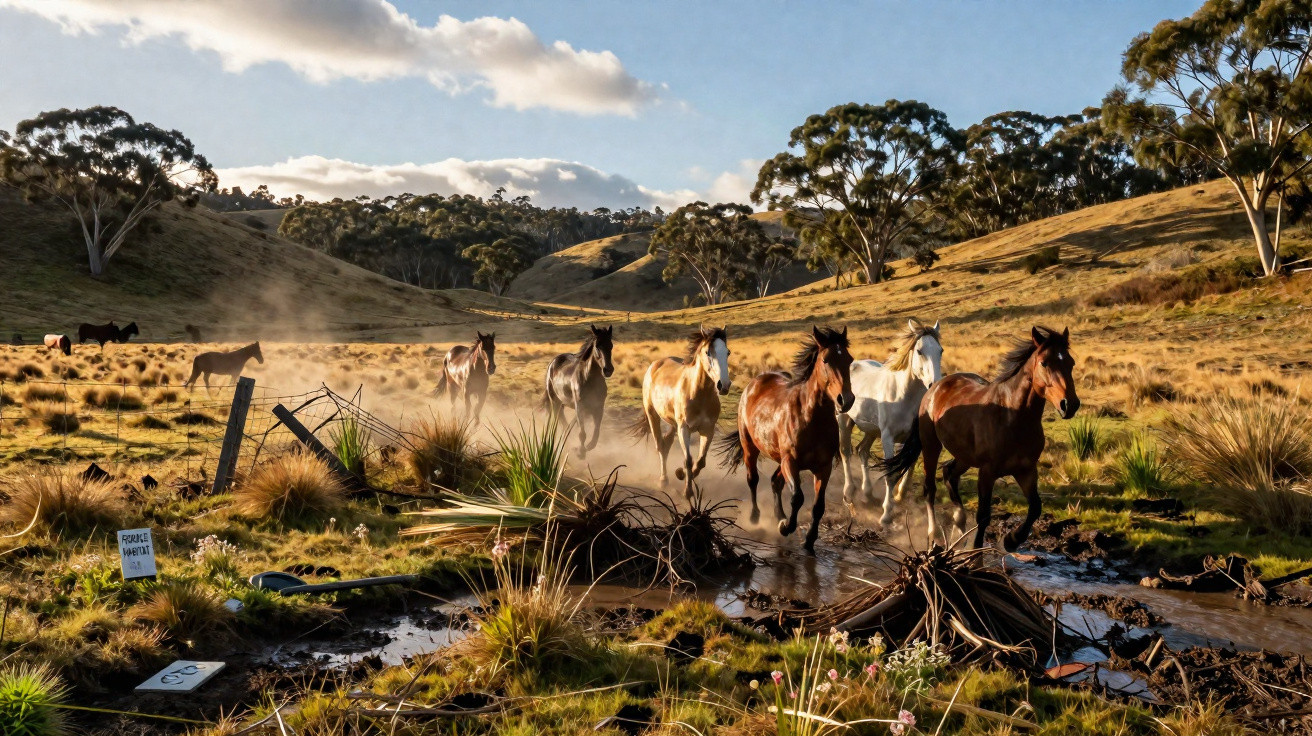
- Reintroducing vanished animal species where suitable habitats are available
- Leaving more wild corners in cities instead of covering every space with immaculate ornamental lawns
This approach is not a romanticised view of nature; it is practical restoration work for damaged systems. In many places, nature is already showing how quickly it can recover when pressure is removed: grasslands store more carbon again, wetlands reduce flooding, and animal populations begin to rebound.
Rewilding changes the perspective: away from simply limiting damage, towards active recovery and the genuine return of wilderness.
Why rewilding affects everyday life
Healthy ecosystems are not a luxury for nature enthusiasts; they are the foundation of stable life on this planet. Many of nature’s services only become noticeable once they fail.
Direct benefits for people
When landscapes recover, the consequences are immediate:
- Drinking water: Forests and wetlands filter water and keep it in the landscape for longer.
- Soils: Healthy soils hold nutrients and water, making harvests more reliable.
- Climate: The return of forests and grasslands captures CO₂ and moderates extreme heat.
- Protection from disasters: Near-natural rivers can absorb floods more effectively, while coastal marshes reduce storm surges.
There is also an aspect that is difficult to capture in statistics: how people feel. Studies clearly show that regular contact with nature can reduce stress, ease depression and improve concentration. Anyone walking beside a restored riverbank or running through an urban woodland therefore gains not only fresh air, but mental benefits too.
World Rewilding Day 2026: a date with symbolic power
World Rewilding Day falls every year on 20 March, the date of the spring equinox. The timing is deliberate: day and night are roughly equal in length, creating a moment of balance that reminds us that turning points are part of natural cycles.
For 2026, the message is intended to be especially clear: a nature-friendly future will not simply arrive by itself. It depends on decisions made by governments, local authorities, businesses and ordinary households alike. Every river restored and every area that is greened rather than sealed beneath hard surfaces shifts the balance a little further towards stability.
The campaign day’s central message: a liveable future is not hope, but a choice.
When research reveals how quickly nature can return
For a long time, parts of the environmental debate were shaped by one assumption: once something is damaged, it stays damaged. New evidence presents a far more optimistic picture. Researchers have examined rewilding projects around the world and identified unexpectedly rapid recovery processes.
| Habitat | Change following protection / reduced pressure |
|---|---|
| Forests | Secondary forests regain a large share of their biodiversity within just a few decades. |
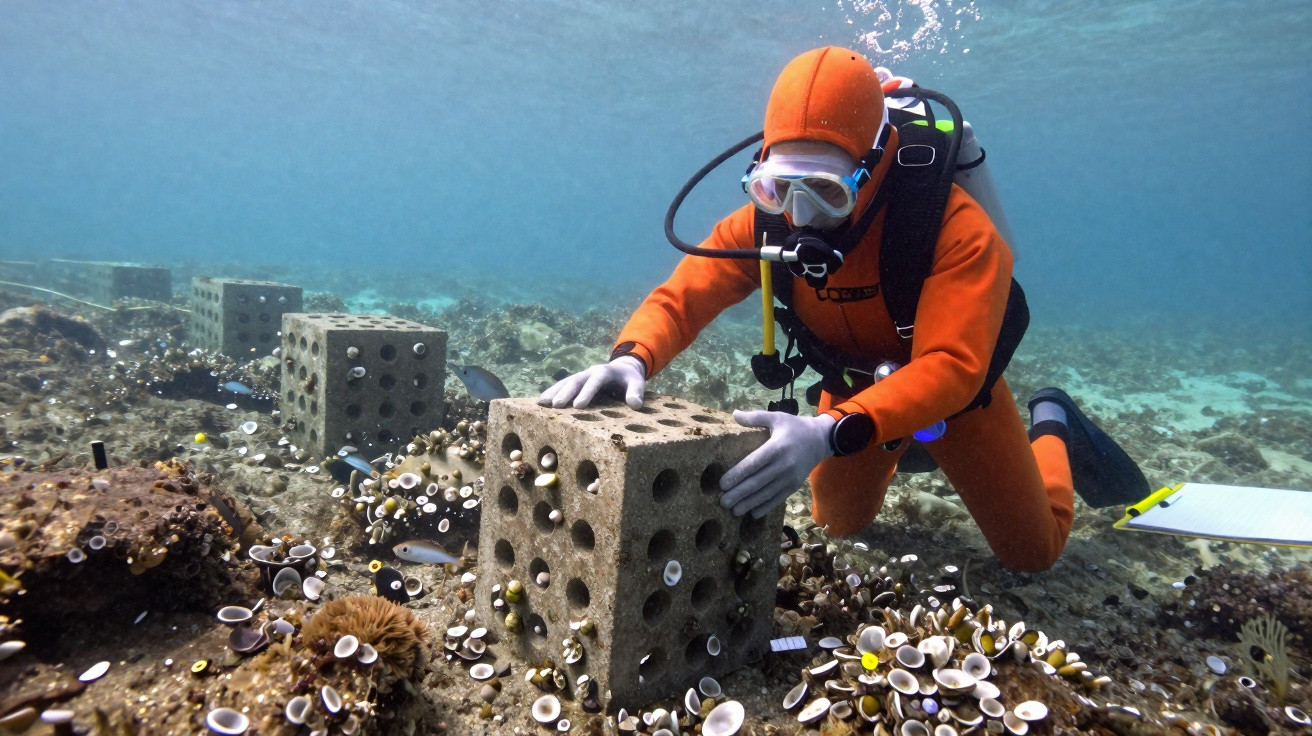
| Seas | Fish populations in marine protected areas often rise markedly once overfishing stops. |
| Rivers | After weirs are removed, migratory fish return to former spawning grounds. |
In parts of Europe, species once regarded as symbols of lost wilderness are reappearing: wolves, European bison and lynx. In North America, river restoration is reopening thousands of kilometres of migration routes for fish. These changes can be measured, including through greater biodiversity, larger carbon stores and more stable food webs.
Rewilding around the world: from Rapa Nui to urban pocket forests
Examples from very different regions demonstrate just how varied rewilding can be:
Ocean protection around Rapa Nui
In the Pacific, the island of Rapa Nui, also known as Easter Island, has designated one of the world’s largest marine protected areas. The result is that whales are being sighted more frequently again, while entire marine food webs are becoming more stable. An area once affected by overexploitation is gradually turning into a refuge for marine life.
Pocket forests in major cities
Many cities are developing their own distinctive version of rewilding. The organisation SUGi creates tiny, densely planted woodlands in unused urban spaces, known as pocket forests. These miniature forests now exist in dozens of cities and, according to the organisation, reach tens of thousands of children and young people, including through environmental education on site.
These areas act like green air-conditioning systems: they cool overheated neighbourhoods, reduce noise, provide habitats for insects and birds, and offer places where people can briefly step away from the reality of concrete.
Patagonia as a refuge for wildlife
In the south of the American continent, “Rewilding Chile” is helping to restore the guanaco – a wild relative of the llama – across extensive areas of the country. At the heart of this work is the “Route of Parks of Patagonia”, a vast network of protected areas linking around one third of Chile’s land area and most of its official protected sites.
These connected landscapes benefit far more than guanacos. Hundreds of animal and plant species use the corridors to spread and maintain genetic diversity.
Rewilding on the frontline of species protection
Organisations such as Re:wild work in extremely remote areas, often where large and largely intact ecosystems still survive but face intense pressure. Across more than 80 countries, they support protected areas, assist projects that bring threatened species back, and work closely with Indigenous communities.
The principle is not to impose conservation from outside, but to develop it together with people who have lived in these places for generations. Traditional knowledge about animal migration routes, water sources and medicinal plants is combined with scientific methods to create new conservation strategies. This often produces solutions that last longer than purely top-down regulations.
When species thought lost suddenly reappear
One particularly remarkable part of these projects is the search for species already considered “lost” by researchers. With support from local communities and months of fieldwork, teams repeatedly manage to locate animals that had disappeared from everyone’s radar.
In Mexico, for example, researchers rediscovered a relative of the rabbit that had not been recorded for decades. Such findings suggest that many ecosystems are considerably more resilient than databases indicate – provided they receive the protection and space they need.
How everyone can help advance rewilding
Rewilding is not only a major undertaking for national parks. The idea can also be applied on a smaller scale in Central Europe and even in everyday life:
- Plant native shrubs and wildflowers in gardens instead of sterile conifer hedges
- Deliberately allow small areas to grow wild rather than trimming everything to golf-course standards
- Support local authorities that restore rivers or launch programmes to remove hard surfaces
- Choose products demonstrably produced through nature-compatible practices
- Strengthen citizens’ initiatives campaigning for new protected areas or habitat networks
Even a few square metres can serve as a stepping stone for insects, birds or amphibians. In densely populated areas such as Germany, Austria and Switzerland, these mosaic habitats can have a significant combined impact – particularly when they connect with larger protected areas.
Terms and background: questions readers often ask
The term “secondary forest” refers to woodland that has regenerated naturally after clearance or intensive use. Such forests differ from ancient primary forests, but studies show that they can regain high species richness within a few decades if largely left undisturbed.
“Resilience” is another term frequently used in connection with rewilding. It means an ecosystem’s ability to withstand disturbances such as droughts, storms or pest outbreaks without collapsing permanently. High biodiversity and connected habitats substantially increase this capacity to cope.
World Rewilding Day 2026 makes these connections visible: every protective measure, every restored area and every conscious decision against further destruction moves the system a little closer to stability – and towards an everyday life in which nature works not as an opponent, but as an ally.








Comments
No comments yet. Be the first to comment!
Leave a Comment