The first warm day arrives, the sun sits higher in the sky, and many people immediately feel the urge to dig over the vegetable garden at last. It is an image rooted in traditional gardening. Yet it increasingly conflicts with what soil science now understands about the intricate life beneath our feet – and about the jobs that genuinely benefit a garden in spring.
Why vigorous digging weakens the soil in the long term
The top 20 centimetres of healthy garden soil are teeming with life. A single gram of earth contains between one hundred million and one billion bacteria, alongside fungi, nematodes, tiny arthropods and earthworms. All of them work out of sight to support our harvests.
Turning this soil over completely with a spade seriously disrupts that system. Every layer has its own conditions: there is more light and oxygen near the surface, while lower down there is far less, along with different moisture levels and temperatures. Many microorganisms are adapted precisely to those particular conditions.
When soil is turned over completely, large numbers of soil organisms die off at exactly the time young plants need them most.
Organisms that live without oxygen are suddenly exposed to air, where they cannot survive for long. Conversely, creatures from the surface are moved into depths where they cannot cope. The balance is disturbed, and the soil may need weeks, or occasionally months, to recover.
There is also a second point that is often overlooked: intensive digging tears apart the fine threads of mycorrhizal fungi. These fungi form a type of partnership with plant roots. They multiply the roots’ absorption area and unlock nutrients that plants could never reach on their own.
When this fungal network is destroyed every spring, young plants begin at a clear disadvantage. Their growth is slower, they are more vulnerable during dry spells, and they require more care, water and fertiliser.
Gentle soil loosening: why a garden fork replaces the spade
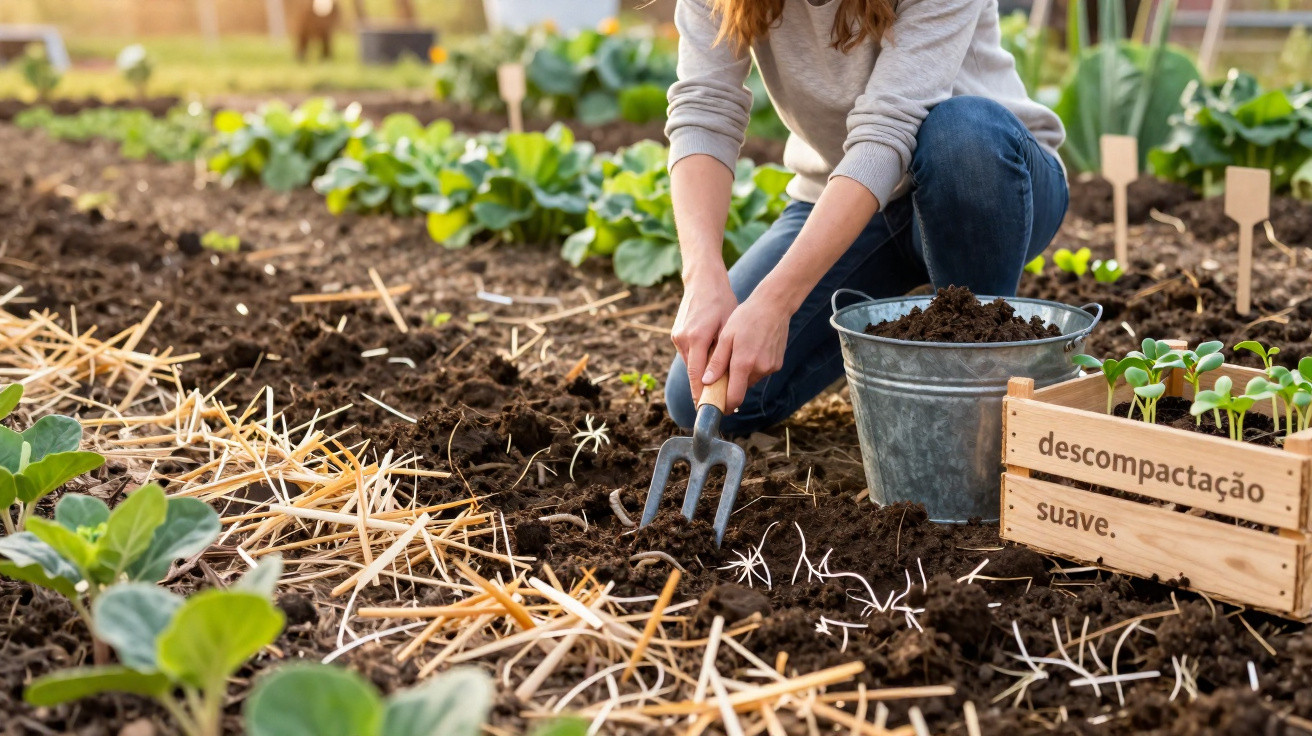
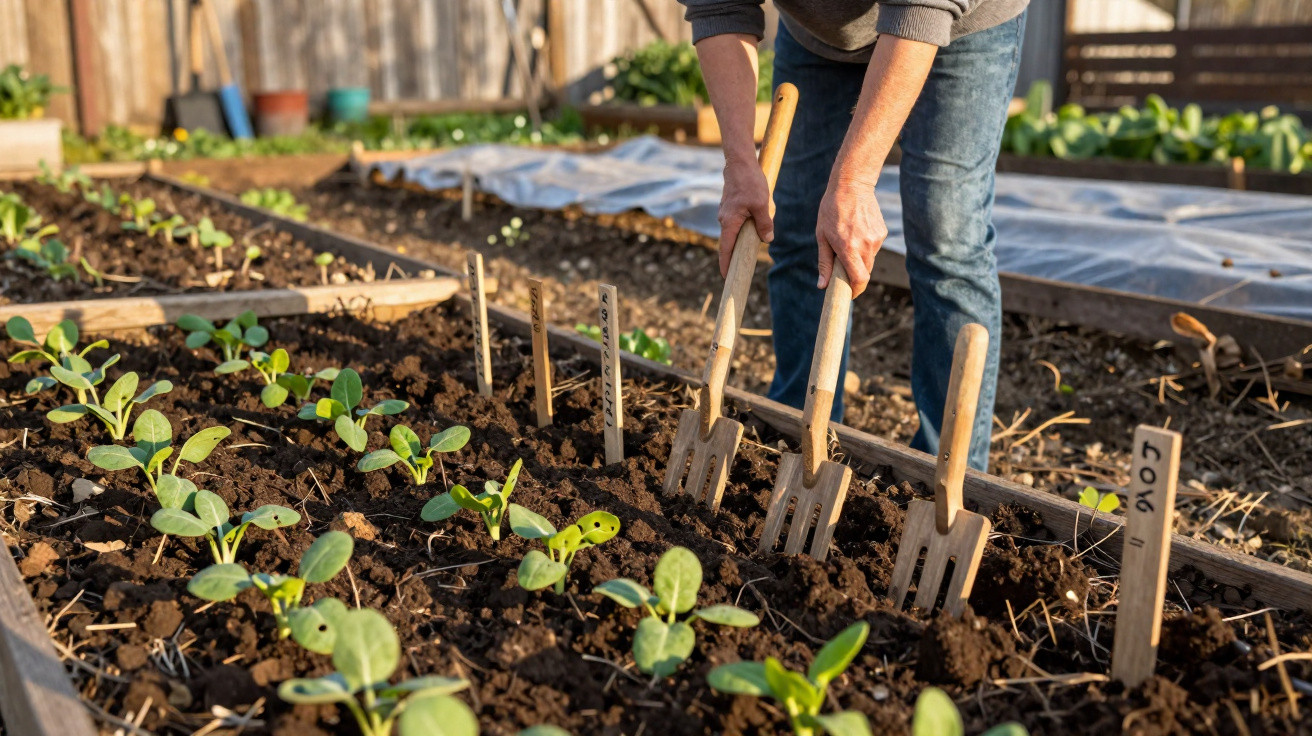
Anyone wishing to prepare soil without destroying its internal life can use a multi-tined fork tool that loosens the ground without turning it. The method is straightforward: press the tines vertically into the soil, then pull the handle gently backwards so that the earth is lifted and cracked open rather than inverted.
This creates small fissures and air spaces in the ground. Air and water can penetrate more easily again, waterlogging is reduced, and roots can find their way down more readily – while the soil layers remain where they belong.
For older gardeners, this approach offers another benefit: it puts considerably less strain on the back than traditional digging. The levering action uses body weight rather than repeatedly burdening the lower back with lifting. Anyone who has spent an afternoon digging in the conventional way will know how noticeable it can be in the lumbar region.
How to get the best results from soil loosening
- Work when the soil is slightly moist: neither dusty dry nor waterlogged.
- Avoid working immediately after prolonged rainfall, as walking on the ground will compact it again.
- Loosen the soil in strips so that you do not repeatedly tread on the area you have just treated.
- Spread organic matter over the surface after loosening; do not dig it in.
A day after a good spring shower is ideal: the soil yields without sticking, and the tines slide in easily.
Mulching instead of hoeing: how one simple layer transforms the garden
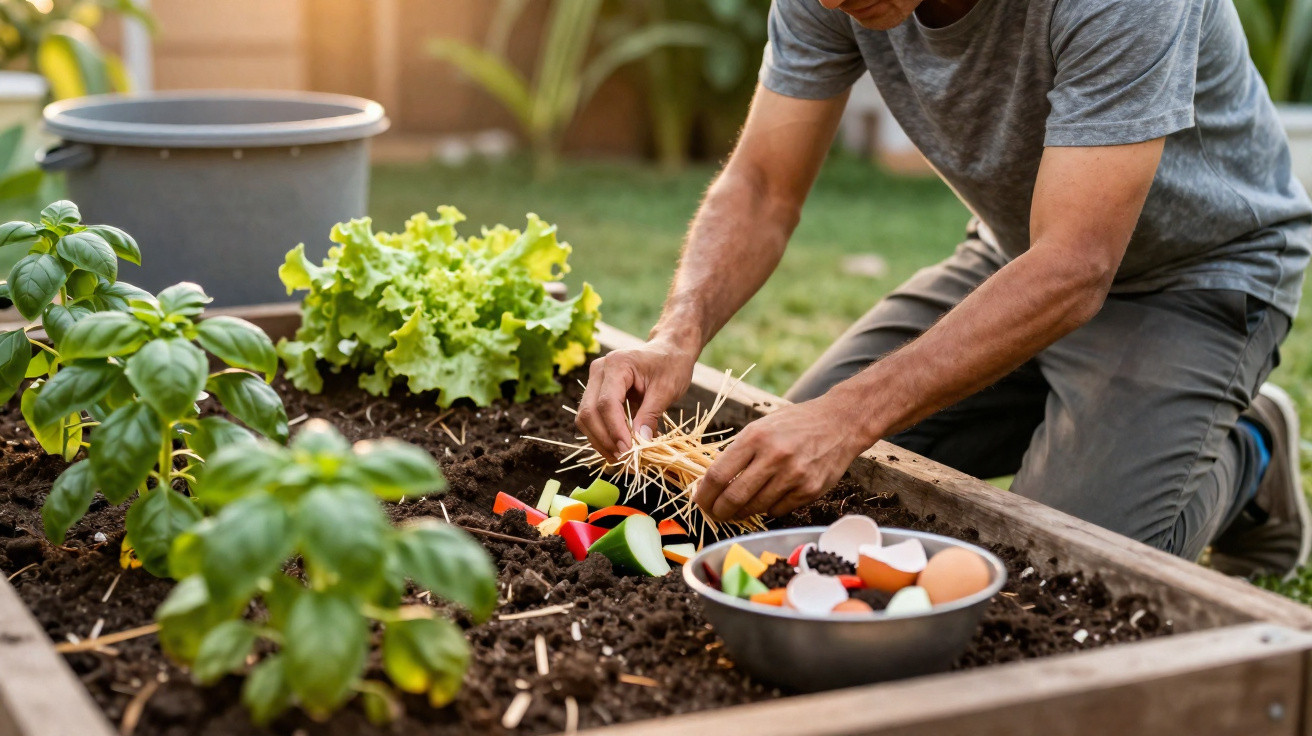
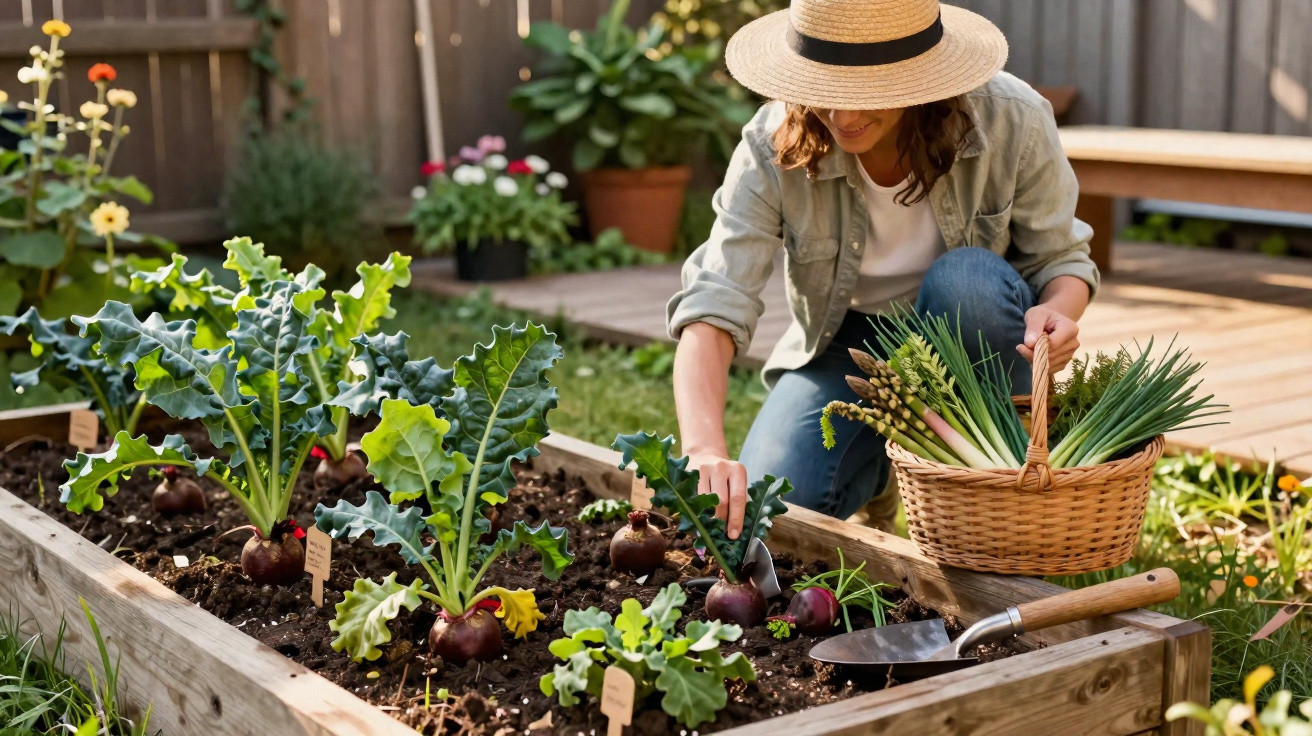
While the fork tool takes the place of digging, another method plays the central role in the modern vegetable garden: mulching. This means covering the soil with organic material, such as straw, shredded leaves, dried grass clippings or woodchip.
A continuous layer of mulch imitates what happens naturally in a woodland: the soil is never left bare, but remains covered and is constantly fed.
The benefits are clearly noticeable:
- Saving water: Much less moisture evaporates beneath mulch. Measurements indicate that reducing watering by 30 to 50 per cent is realistic.
- Keeping temperatures stable: The soil heats up less in summer and does not cool as sharply overnight. Microorganisms can work more consistently.
- Preventing a crust: Rain often creates a hard surface layer on uncovered soil, making it harder for water to soak in. Mulch prevents this “sealing”.
- Providing a lasting nutrient source: Earthworms and microorganisms gradually draw the material into the soil, break it down and release valuable nutrients in the process.
Mulching has a particularly welcome side effect for anyone who no longer wants to spend hours weeding and carrying materials: fewer weeds, fewer watering cans and less hoeing. For most of the time, the soil does its work in the background, without requiring constant effort from the gardener.
Soil as an ally: what really happens in the microcosm
Research over recent decades has revealed how dependent plants and soil organisms are on one another. Plants were once imagined as small pumps, drawing nutrient salts and water from the earth. Today, we know that this system quickly falters without bacteria and fungi around the roots.
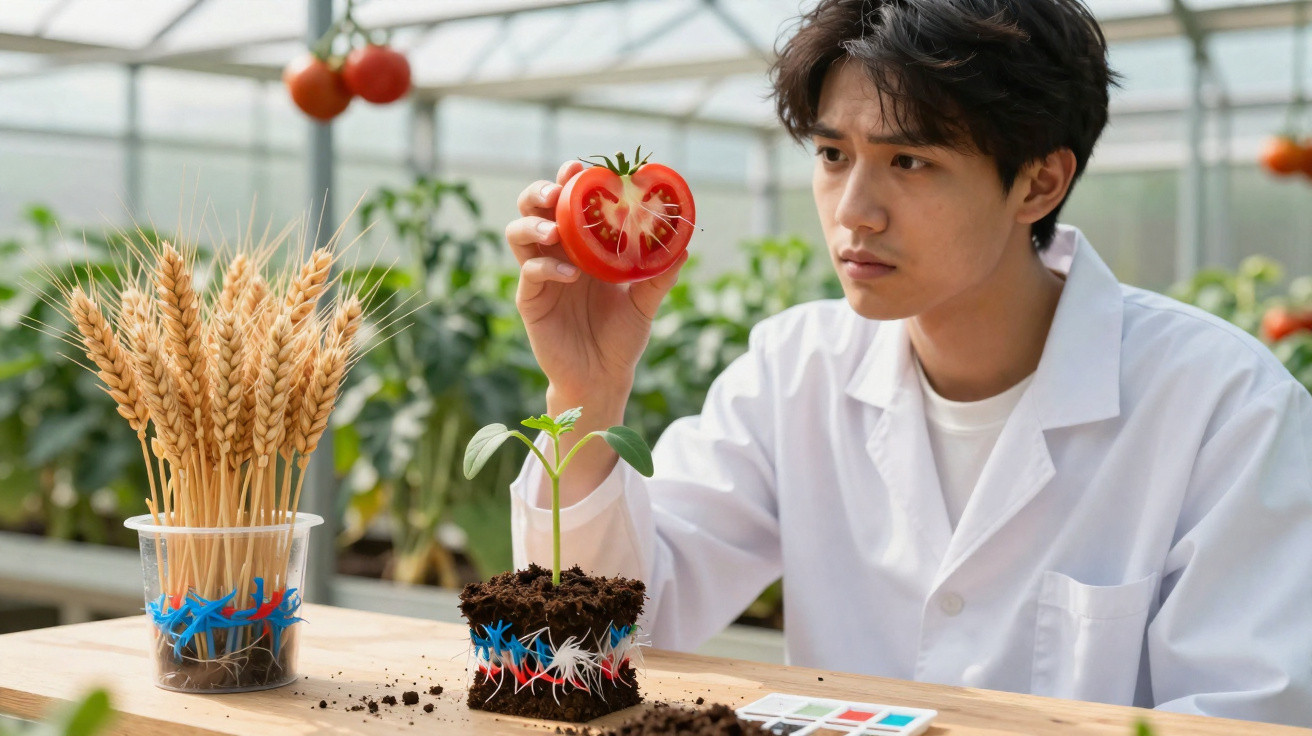
One example is bacteria that fix nitrogen from the air. They convert the gas surrounding us into forms that plants can use. Without them, much of that nitrogen would remain unavailable. Other bacteria release phosphorus that is bound up in the soil.
The fungal networks already mentioned around plant roots enlarge the root system many times over. They access water held in the finest pores, places into which an ordinary root could never grow. In return, the fungi receive sugars made by the plant through photosynthesis. It is an exchange that benefits both sides.
A garden where the soil is disturbed as little as possible develops these partnerships further year after year – and rewards this with stronger, more resilient plants.
Earthworms carry out the visible part of the work. They pull leaf litter and mulch into their tunnels, shred it, and excrete it again as nutrient-rich crumbs. These worm-cast pellets are considered especially fertile because they contain nutrients in a form plants can absorb easily.
Practical steps: what you can do better in spring
Anyone moving away from the spade tradition does not need to change the entire garden at once. It makes sense to begin with a trial area, perhaps one bed that you treat deliberately differently this season.
- Rather than digging, loosen the soil with a fork tool.
- Spread a 3–5 centimetre layer of mature compost across the surface.
- Mulch areas that will remain unplanted for the time being straight away.
- Plant through the mulch wherever possible, without working it deeply into the ground.
Those with very heavy, compacted clay soil may sometimes need a one-off deeper cultivation to break up the compacted layer. The important thing is to regard this as an exception, not an annual duty. With every year that compost and mulch remain on the surface, the structure improves by itself.
How humus-rich soil shows itself in everyday gardening
Many amateur gardeners only notice the scale of the difference after some time. Soil that is well supplied and treated gently feels crumbly, sticks less, and dries more quickly after rain without becoming hard. When you dig into it by hand, you will see more earthworms, fine root remnants and a darker colour – signs of increased humus.
In high summer, vegetables remain succulent for longer, even if you miss a day of watering. Tomatoes and lettuces do not immediately wilt because the deeper soil layers retain water for longer. Fungal diseases also often occur less frequently, as plants are supplied with nutrients more effectively through their microbial network and suffer less stress.
Common misconceptions about digging
- “Soil only becomes loose through digging”: In the long term, earthworms, roots and frost action do much of the loosening, provided the soil receives nourishment in the form of mulch.
- “Digging gets rid of weeds”: Many perennial root weeds are more likely to spread because root fragments are distributed and grow again.
- “Without digging, the soil freezes more severely”: A layer of mulch acts like a blanket and buffers frost far more effectively than bare earth.
What terms such as mulch and soil life mean in practice
Mulch does not simply mean covering soil with anything at all. Fresh, thick grass clippings, for example, can rot and smell if applied too deeply. It is better to allow them to dry first and add them only in thin layers. Coarser materials such as chipped branches break down more slowly and are well suited to paths or perennial crops.
The term “soil life” can also sound rather abstract. In reality, it can be experienced directly: if you take a handful of soil from a mulched bed after a rain shower, you will often notice a mildly earthy, almost sweet scent. This indicates active microorganisms. If the soil smells musty, rotten or of nothing at all, it often lacks either air or organic matter.
Switching to gentle cultivation calls for a change in thinking, but in the long run it replaces strenuous labour with observation and sensitivity. Those who leave the spade standing more often in spring and instead rely on soil life, mulch and a fork tool will build a more dependable, stress-resistant vegetable garden year by year – one that continues to produce even during difficult weather periods.



Comments
No comments yet. Be the first to comment!
Leave a Comment