The evening I hauled my plastic compost bin out to the kerb felt oddly like ending a relationship. For years, I had fed it banana skins, onion peelings, cardboard and handfuls of grass cuttings. What did it give back? A partly slimy, partly dry, mildly stinky heap that I kept calling “black gold”.
Then, one spring, I looked at my uneven vegetable beds and clay-laden soil and had enough. I quit tending the bin and began putting vegetable scraps directly onto the ground where I grew my food. No carefully arranged layers. No turning. No thermometer. It was a small, quiet act of rebellion.
The change was not immediate, but once it happened, I could not miss it.
The worms arrived.
The soil became looser.
The plants reacted as though I had fitted a hidden spa beneath the surface.
This is the part traditional compost enthusiasts really dislike.
Why I gave up worshipping the compost bin
My breaking point came on a wet Sunday as I stood over that large green bin, feeling like a guilty spouse. When I raised the lid, a blast of sour air hit me, along with partly decomposed lettuce and fruit flies circling my head. This was meant to be the environmentally friendly gardening ideal, yet it felt more like dealing with rubbish at the far end of the garden.
I realised I was devoting more effort to a plastic container than to the soil I actually wanted to improve. It was absurd. The ground below me already contained worms, fungi, bacteria and roots: a living, breathing ecosystem. Why was I so determined to move the entire decomposition process into a box that seemed to resent the arrangement?
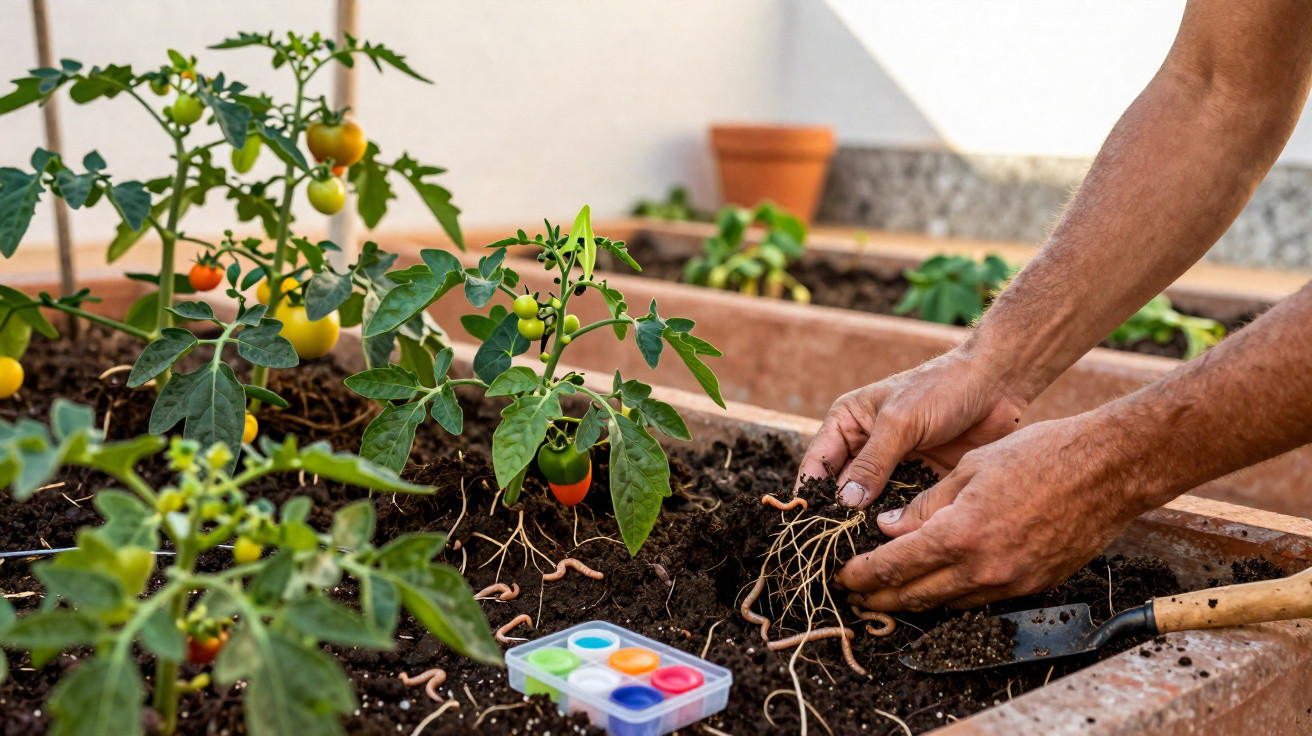
The true revelation came when my neighbour, a retired market gardener, casually told me he had never owned a compost bin. Gesturing towards his incredibly rich, friable soil, he said, “I just feed the ground. It knows what to do.” He then pushed back some straw mulch to reveal a writhing layer of worms feasting beneath decomposing leaves and vegetable scraps.
At the same time, my bin contained unfinished compost, while my raised beds became brick-like in dry weather and like sticky cement when wet. My tomatoes sulked. My carrots split into forks. The more scraps I carried to the bin, the more indifferent my garden appeared. That difference stayed in my mind like a splinter.
Once I began learning about soil life, the idea made sense. Compost bins work like stomachs outside the garden: you feed them, they digest the material, then you take the resulting “food” back to the soil. My neighbour’s approach simply removed the middle step. The soil was the stomach, worms were the labourers and fungi handled the long-distance transport.
When I started placing kitchen scraps straight onto the beds and giving them a light covering, I was working with the natural cycle rather than against it. No more lifting forkfuls of half-decayed sludge. No more fretting over whether the carbon-to-nitrogen balance was “perfect”. Honestly, no one manages that every single day. I stopped overseeing a project and began nourishing a living community. The soil responded.
The “lazy” vegetable waste method that changed everything
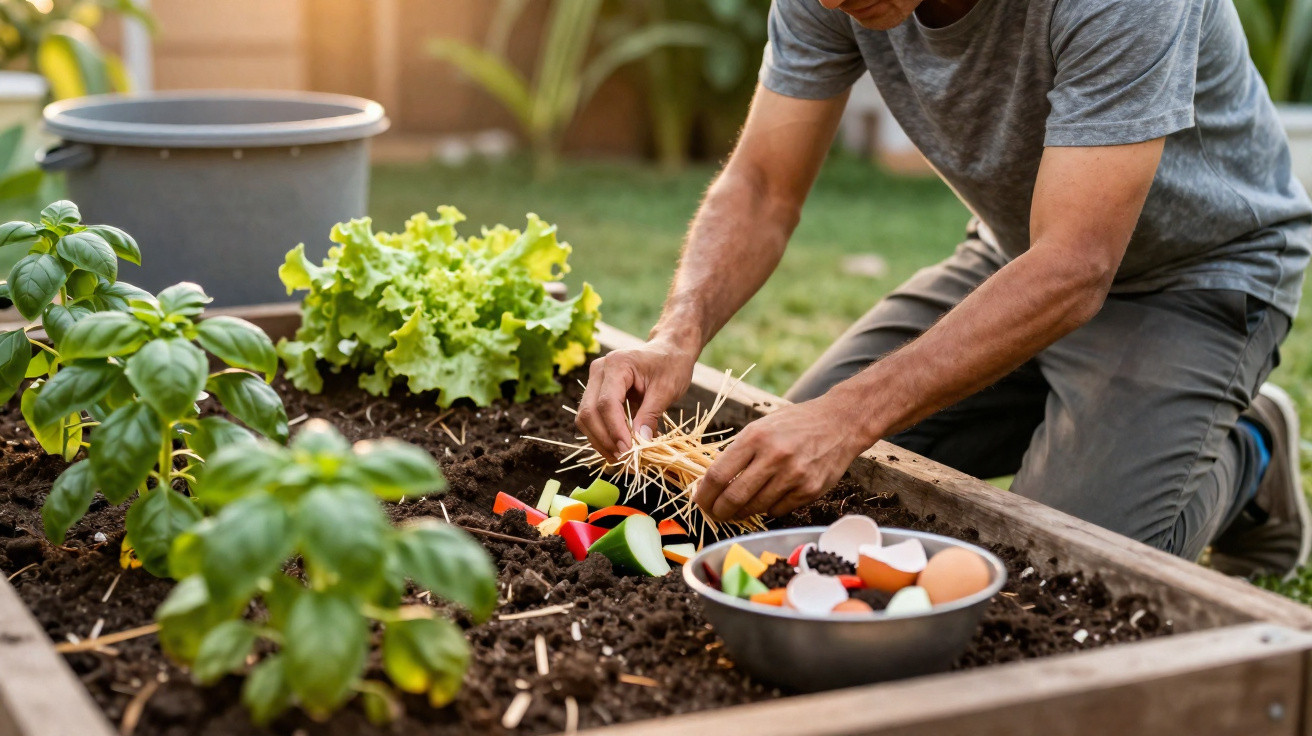
This is exactly how I do it now, and it may sound ridiculously straightforward. Whenever I cook, I save the vegetable scraps that once went into the compost bin: carrot peelings, onion ends, broccoli stalks, lettuce ribs and squash skins. I do not include meat, oily foods or large pieces of bread. It is plant material only.
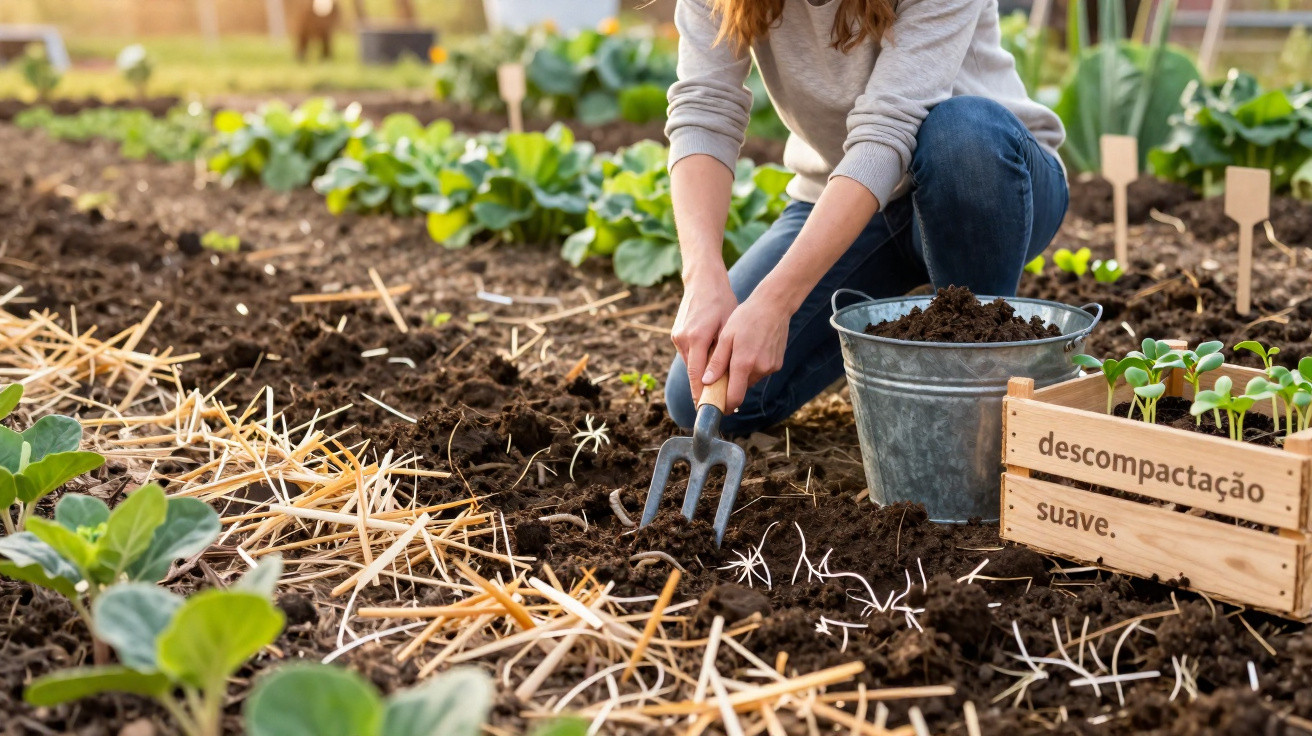
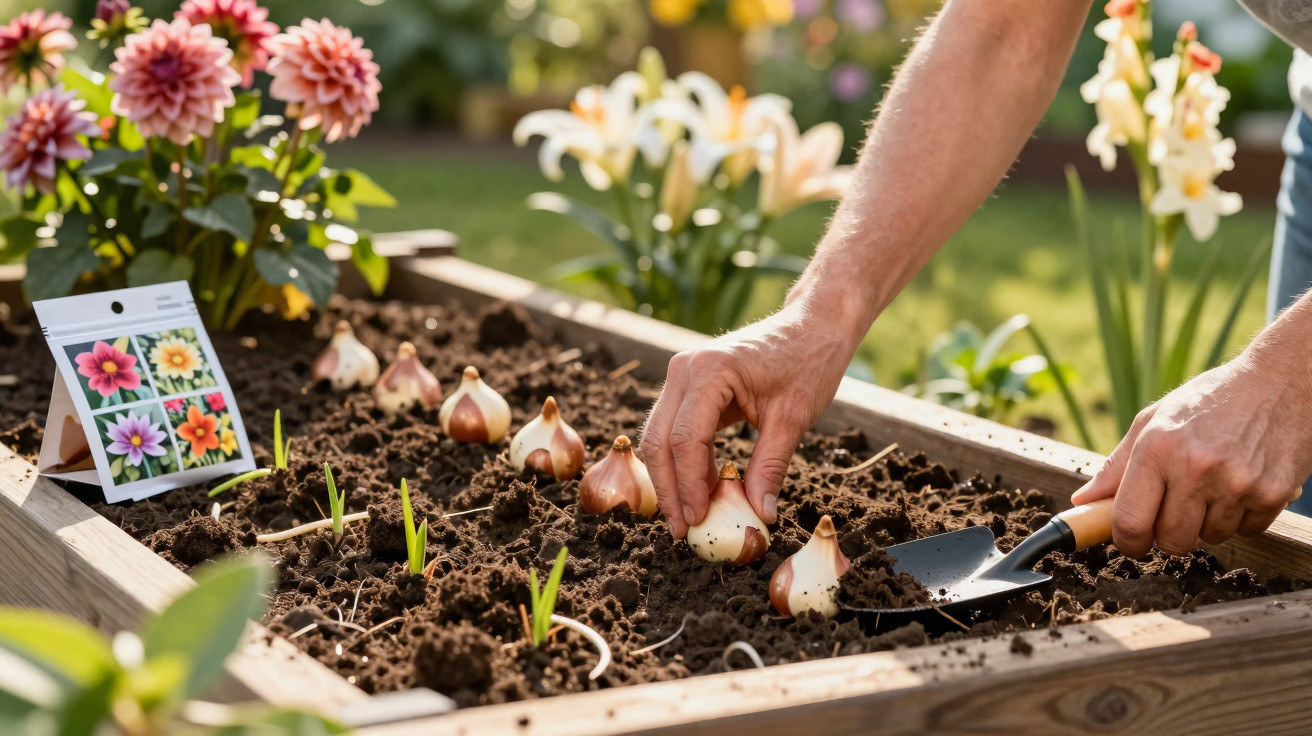
Rather than walking to the back of the garden to feed the bin, I take the scraps to one of my raised beds. I carefully move aside the existing mulch, scatter the scraps in a thin layer directly over the soil, then replace the covering with straw, leaves or shredded cardboard. That is all. There is no turning, watering timetable or aeration. Within a few weeks, the scraps have vanished, leaving soil that is darker and feels almost spongy beneath my fingertips.
During my first season using this technique, I made one bed my test plot. It received the same sunshine, plants and watering as the others. The sole difference was that, week after week, it received every kitchen scrap beneath a light layer of mulch.
By midsummer, the comparison was nearly embarrassing. Tomatoes in the “fed” bed stood taller, with chunkier stems and shinier foliage. The basil would not bolt. When I lifted a handful of soil, it fell apart like chocolate cake rather than forming miserable little clumps. The control bed remained hard, pale and speckled with persistent weeds. This single habit-putting vegetable waste directly into the bed-improved my soil more in one year than the compost bin had achieved in five.
The process behind it is wonderfully uncomplicated. Buried scraps become a feast for worms, beetles, springtails and countless microorganisms whose names I cannot pronounce. As these creatures feed, burrow and excrete, they form channels through the soil that improve drainage and aeration. The decaying vegetables release nutrients gradually, precisely where plant roots can access them, rather than in a heap ten metres away.
The mulch above serves as both cover and protection. It reduces odours, deters flies and stops the scraps from drying into a tough, leathery layer. The outcome is a continual supply of organic matter delivered into the root zone, 365 days a year. It is like micro-composting in place, running on autopilot. Yes, that phrase will make conventional compost devotees clench their teeth.
How to use vegetable waste without damaging your garden or your nerves
If putting kitchen scraps into your beds makes you nervous, begin on a small scale. Pick one corner or one particular bed as an experiment for an entire season. Gather vegetable waste in a container on the worktop during the day, then take your small “delivery” of plant food outside in the evening.
Use your hands or a trowel to draw back the mulch, then distribute the scraps in a layer no deeper than your thumb. Cover them fully with mulch again so that no scraps can be seen. When planting seedlings, do not place fresh scraps straight into the planting hole; put them in paths or between rows instead, so young roots are not resting against hot, decomposing material. Inspect that area again after two to three weeks. Usually, you will find dark, moist soil and early signs of worm tunnels.
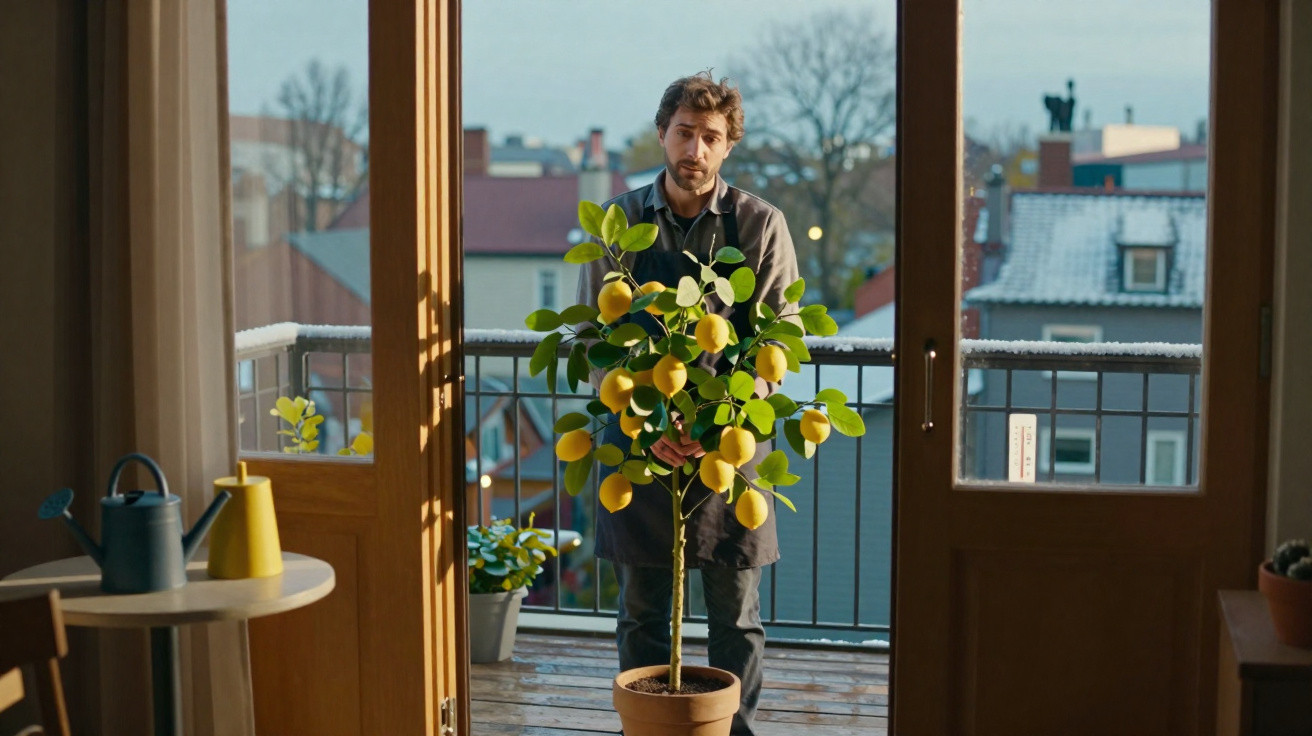
The biggest concern is usually pests. Yes, leaving whole corn cobs and half-rotten pumpkins on uncovered soil can certainly attract rats or raccoons. The answer is to use thin layers and conceal them well. Roughly chop larger scraps, avoid greasy or salty items and always tuck everything beneath mulch. If you only grow plants in pots on a balcony, you can still use this method in moderation, although onions and garlic are best avoided in containers because their scent lingers.
Be kind to yourself as well. Some days, you will forget. You may make one layer too thick. The first time you notice a cloud of tiny soil creatures, you might panic. That is all right. Gardening is not a laboratory experiment; it is a relationship that becomes less awkward the more often you participate. Eventually, you notice that your soil smells of the woodland floor rather than a plastic bin, and the task begins to feel like a conversation instead of a chore.
“People think compost happens in a bin,” my neighbor told me one evening, leaning on his rake. “Compost happens everywhere. The bin is just where we like to control it.”
At that moment, I understood why some traditional compost supporters become so agitated by this method. It relaxes the need for control. It implies that fertile soil can be created without equipment, thermometers or charts. For gardeners who enjoy the process, that can sound like heresy. For everyone else, it can feel like a relief.
- Begin very small – Try one bed for one season. You are experimenting, not transforming the entire garden overnight.
- Use a light mulch – Straw, shredded leaves or cardboard keep scraps moist and out of sight.
- Avoid animal products – No meat, dairy products or oily leftovers. Use vegetable scraps only.
- Apply thin layers regularly – Small weekly additions are more effective than one large monthly deposit.
- Observe the soil rather than following rules – If it smells fresh and becomes darker, you are heading in the right direction.
When your soil begins responding
The most unusual part of this experiment is how soon you start to “read” the soil. One day, your trowel slips in easily. Your plants recover after light rain rather than slumping in waterlogged misery. Earthworms begin appearing whenever you disturb the surface. That is the quiet feedback: the ground showing you that the scraps are working.
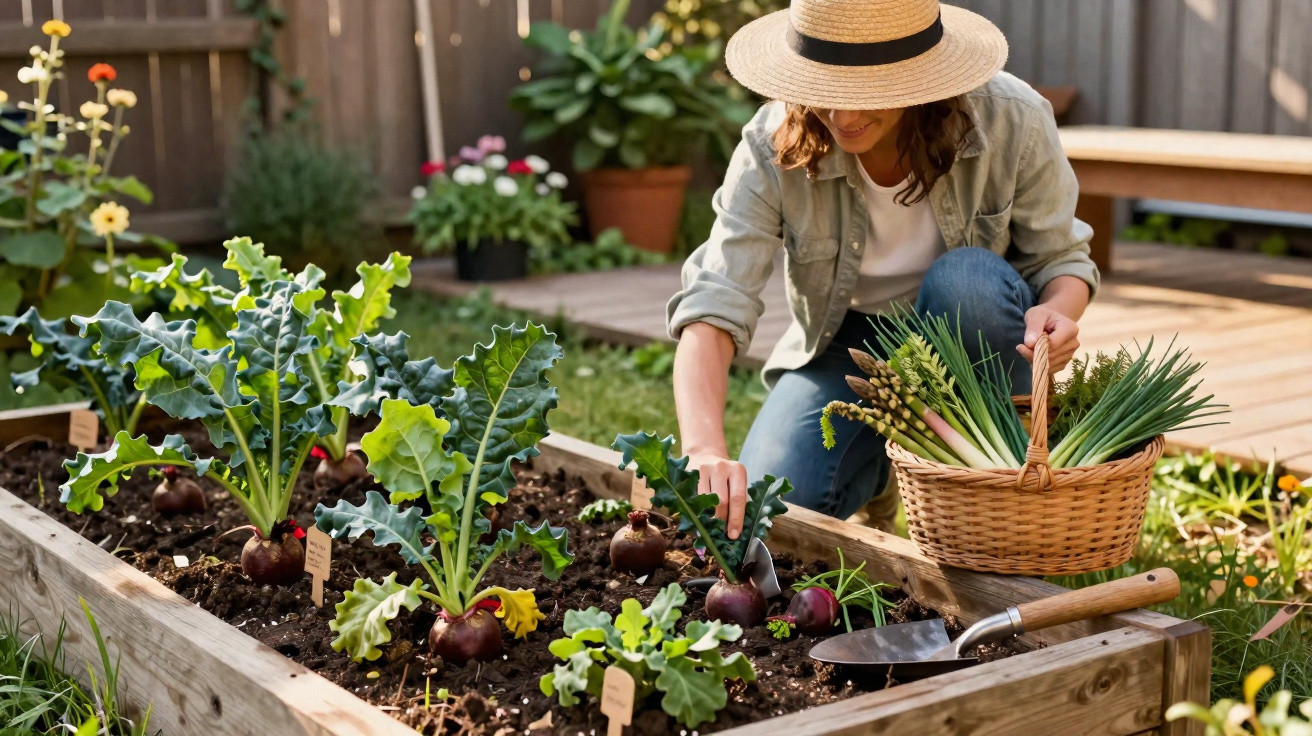
You might still feel drawn towards old routines: the neat bin and the feeling that you are composting “properly”. Yet you will also have that bed in the corner, suddenly yielding darker greens and tomatoes with more flavour than you recall. Even the most conventional gardeners will struggle to dismiss that comparison. The simple reality is this: soil does not care how polished your system appears. It cares about what you give it and how regularly you do so.
| Key point | Detail | Value for the reader |
|---|---|---|
| Feed scraps straight into beds | Put thin layers of vegetable waste beneath mulch instead of using a bin | Less effort, quicker soil improvement and no carrying compost back and forth |
| Begin with one “test” bed | Trial the approach in one area for a season, then compare the results | Limits risk and builds confidence through clear before-and-after differences |
| Rely on soil life | Allow worms and microbes to decompose scraps where they lie | Produces richer, more resilient soil without complicated compost systems |
FAQ:
- Question 1 Will burying kitchen scraps in my beds attract rats or other pests?
- Question 2 How long do vegetable scraps need to break down completely in the soil?
- Question 3 Can this technique be used in containers or a balcony garden?
- Question 4 If I start doing this, do I still need a traditional compost bin?
- Question 5 Is there an ideal season for starting to feed vegetable waste directly to the soil?



Comments
No comments yet. Be the first to comment!
Leave a Comment