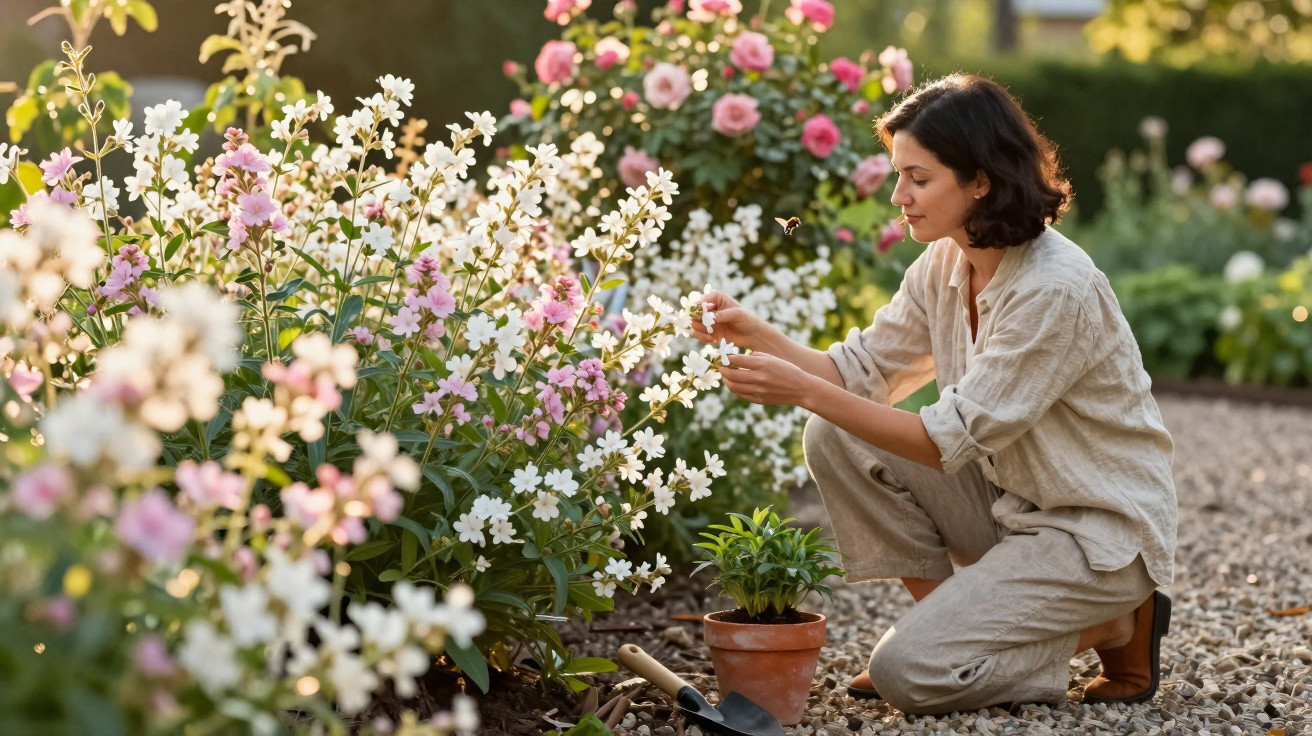
Although roses still reign as symbols of romance, an increasing number of home gardeners are choosing a notably resilient perennial that produces masses of flowers for much of the year, tolerates drought and cold, and performs well in ground where roses might struggle.
Why gardeners are moving away from roses
Roses remain timeless favourites for their fragrance and meaning, yet they can seem like demanding prima donnas. They need routine pruning and frequent watering, and may suffer from black spot, mildew and aphids - often delivering a lacklustre display when conditions are less than ideal.
This is where gaura (Gaura lindheimeri), commonly called the “butterfly flower”, is steadily reshaping expectations. Native to the southern United States and Mexico, this perennial establishes itself and then largely takes care of its own needs.
Gaura can flower for up to eight months of the year, with far less effort than a traditional rose bed.
From late spring until the first proper frosts, its fine blooms continue to open, creating the impression that the garden is always in flower.
Gaura: effortless long-lasting flowers in the garden
Gaura grows as an open clump of fine stems that move with even the gentlest breeze. Tiny flowers with four petals emerge one after another along the stems instead of appearing all at once. The overall look is delicate and airy, resembling a cloud of butterflies floating above the leaves.
After it has settled in, gaura is rarely troublesome. It withstands summer dry spells, has no real need for fertiliser and, in most parts of Europe and North America, can tolerate temperatures of roughly -15°C, depending on the cultivar.
Put gaura in a sunny, well-drained spot, and it usually flourishes without regular watering, spraying or pruning.
For gardeners who want beds full of blooms but do not have much spare time, this dependability matters enormously. It can almost be left alone and will continue performing.
How long does gaura actually flower?
In many temperate gardens, gaura begins flowering in about May and may carry on until December when frosts arrive late. Each individual bloom is short-lived, but fresh buds form continuously, meaning the plant is seldom bare for very long.
Unlike numerous perennials that reach their best for only a few weeks, this lengthy flowering period helps bridge the difficult intervals between spring bulbs, summer highlights and autumn leaves.
Colour, movement and benefits for wildlife
As well as being hardy, gaura has an understated visual appeal. Its flowers are generally white, soft pink or a mixture of the two, commonly opening from darker pink buds before fading. In sunshine, the stems sway and glint, adding movement to borders that might otherwise feel still.
That continual movement helps soften rigid edges and formal schemes. Position gaura behind shorter perennials or beside neatly clipped shrubs, and it immediately makes the planting feel more relaxed, producing the “soft focus” effect favoured by designers.
Bees, bumblebees and butterflies are frequent visitors, turning a simple clump of gaura into a small wildlife hotspot.
Ideal partners for a low-maintenance border
Gaura combines successfully with other plants that enjoy sunshine and cope with dry conditions. It is especially effective alongside:
- ornamental grasses (for texture and movement)
- salvias and catmint (for bold colour and nectar)
- lavender (for fragrance and evergreen structure)
- euphorbias and cistus (for dry, gravel-style planting)
Together, these plants create borders with a natural, gently wild character that usually require little more than the odd tidy-up.
Where to position gaura for maximum impact
Because it has such a light, transparent habit, gaura suits many locations provided it receives plenty of sun. It can be placed at the rear of a border without obscuring the plants in front, or used along a path as a soft, frothy edge.
In contemporary garden designs, it is often used to interrupt crisp, straight geometry. Next to a patio or terrace, its arched stems can spill gently over paving, softening the boundary while still appearing orderly.
Think of gaura as a “camouflage” plant that hides the joins, hard edges and awkward gaps in a design.
Ideas for different spaces
| Location | How to use gaura |
|---|---|
| Mixed border | Set out groups of three to five behind lower-growing perennials to add height and movement. |
| Dry garden | Pair with grasses, salvias and rockroses in gravelly or sandy ground. |
| Path or driveway edge | Plant as an informal edging to soften straight lines without narrowing the route. |
| Balcony or terrace | Grow in a large free-draining container with other drought-tolerant perennials. |
| Rockery or slope | Position above rocks or low walls so the stems tumble down and soften the structure. |
Planting and simple care: almost foolproof
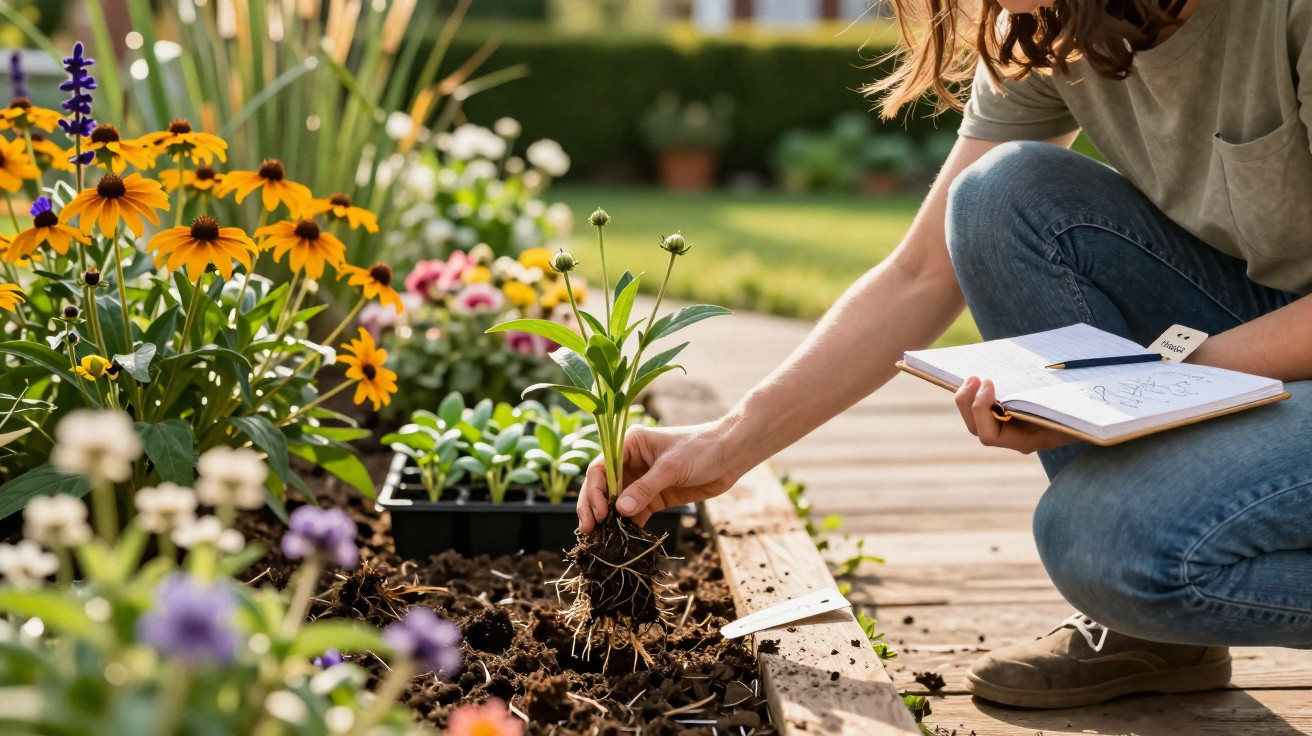
Gaura is generally sold in small pots during spring or autumn. Pick a day when the ground is neither frozen nor saturated. Make a planting hole a little wider than the pot, loosen the soil around its base and sides, and ensure water will not collect around the roots.
Set the plant at the same level as it was in its pot, firm the soil lightly and water it well once. Leave around 40 cm between plants, as they need space for their fountain-shaped growth.
After the first good watering, most gaura plants need only the rain to keep them going.
Most gardens do not require any soil enrichment. Indeed, overly fertile soil can result in weak, floppy stems. For many gardeners, the only task is cutting back the stems in late winter or very early spring to prompt a new burst of growth.
Varieties worth knowing
A number of named cultivars are now widely sold, each with a distinctive appearance:
- ‘Whirling Butterflies’ – traditional white blooms with a very light, airy character; excellent among grasses.
- ‘Siskiyou Pink’ – richer pink colouring, well suited to warm planting palettes of reds and purples.
- ‘Belleza White’ – a compact form that works well in pots and smaller positions at the front of a border.
Garden centres often describe gaura as appropriate for “dry borders” or “hot, sunny spots”, which is useful guidance when choosing plants in a hurry.
Roses vs gaura: distinct jobs in a modern garden
Roses retain obvious advantages: scent, large flowers and a traditional character that gaura is not trying to imitate. For many gardeners, having a rose near the front door or beside a path is still essential.
What is changing is how garden space is planted. Rather than giving entire beds to roses, many people are retaining one or two treasured varieties, then using plants such as gaura to fill the spaces between them. These need much less attention and greatly extend the flowering season.
Picture a small front garden with one fragrant rose beside the gate, underplanted with a hazy drift of white gaura. The romance remains, but the maintenance falls considerably, and there is still an attractive display when the rose is between flowering flushes.
Practical advice and minor risks to consider
Although gaura is accommodating, several details can prevent disappointment. Dense clay that remains wet through winter may rot the roots, so planting on a raised mound or in a gravel bed is beneficial in these conditions. In highly exposed sites, taller plants can flop or spread, making staking - or planting among supportive neighbours such as grasses - worthwhile.
In colder areas, recently planted gaura may benefit from a light mulch of gravel or leaf mould during its first winter to shield young crowns. Once established, however, many clumps cope with repeated freezing and thawing without difficulty.
For newcomers to gardening, gaura also provides a straightforward lesson in “right plant, right place”. It demonstrates how drought-tolerant, sun-loving plants can lessen reliance on watering cans, fungicides and repeated pruning. This approach saves time, reduces spending and eases demand on water supplies in hot summers.
For anyone already struggling with high-maintenance rose beds, trying several gaura plants in the most difficult area may be revealing. If they flourish where roses fail, they could become the foundation of a different type of border: lighter, longer flowering and much less reliant on you spending every weekend outside with secateurs and a spray bottle.





Comments
No comments yet. Be the first to comment!
Leave a Comment