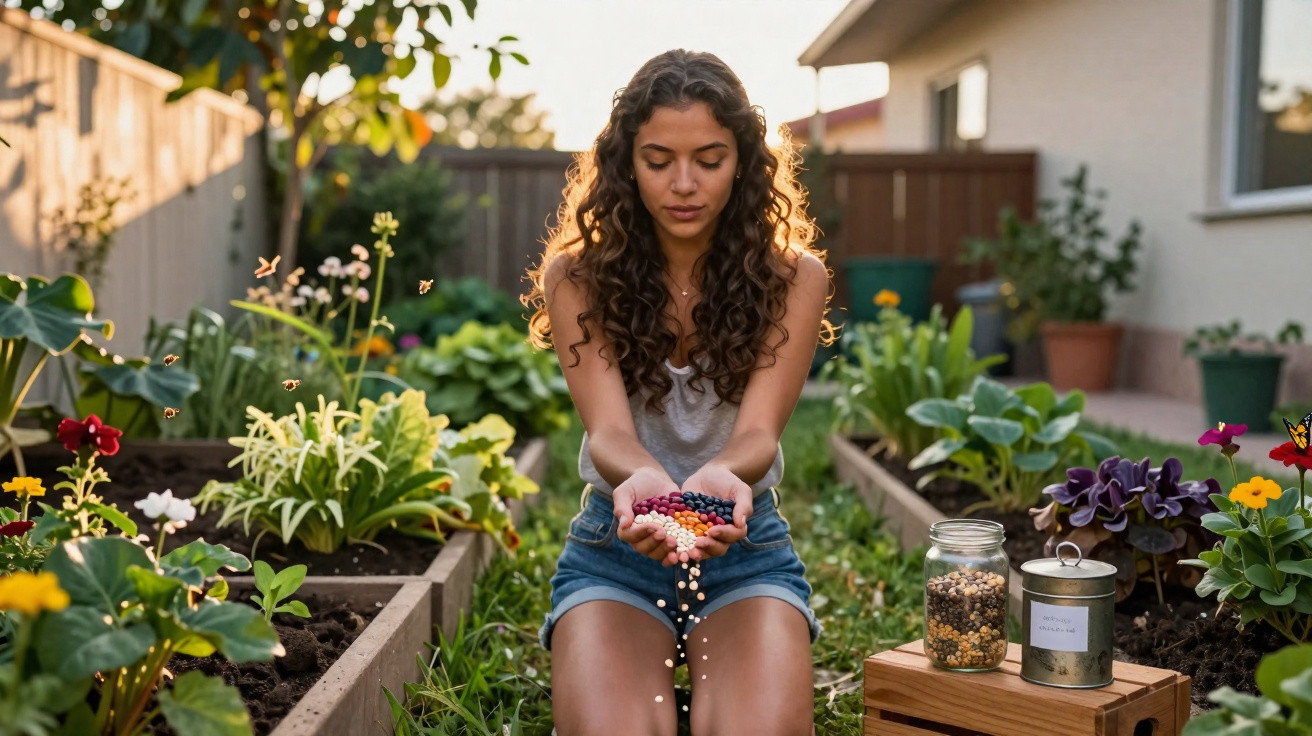
Last week, I cut into one expecting that peppery, green-fingered scent of a plant that has lived through real weather. There was nothing. It felt like eating a committee-approved version of a tomato, designed beneath fluorescent office lighting. Holding the knife, I wondered how our food has become so quietly diminished in flavour, character and staying power-and how the right little paper packet of seeds can still open the world back up.
The quiet shrinking of your plate
We consume fewer plant varieties than our grandparents did, while those we still eat are increasingly reduced to a small set of commercial types. Supermarket shelves appear plentiful, yet a closer look tells another story: five apple varieties arranged in twenty different displays, and the same lettuce sold under slightly altered names. Seed production follows profit, meaning farms favour crops that travel well, stack tidily and photograph beautifully. In the process, countless unusual vegetables perfectly suited to their local areas have slipped out of view.
This is not only about nostalgia; it is also about resilience. When conditions swing between drought and waterlogging, genetically uniform crops tend to fail for the same reasons. Pests find their way around monocultures as easily as foxes learn when the bins go out. A broader genetic pool gives plants more scope to adapt, while giving us a stronger chance of eating something worthwhile when supply chains falter.
I understood this one muddy March day on an allotment path, my boots sinking into the ground, when an older gardener pushed a damp paper envelope into my palm. “Ailsa Craig, saved from last summer,” he said. The seeds were tiny commas of possibility, dusted with tomato residue. That envelope made a simple row of earth feel like a modest act of defiance.
Heirloom seeds are family recipes
Heirloom seeds are anything but anonymous. These open-pollinated varieties-frequently decades old and sometimes centuries old-have endured because growers valued what they produced. Perhaps it was a sharp lemony flavour, a skin sturdy enough to defy slugs, or a plant that does not complain through a cold spring. Whatever the reason, they are edible forms of living memory.
Being open-pollinated means their offspring remain true to type, allowing you to collect seed and continue their history. Hybrids marked “F1” can be excellent where a particular characteristic is needed, but the next generation is an unpredictable lottery. If you want your garden to become more resilient from one year to the next, saving seeds from open-pollinated heirlooms makes you a collaborator rather than simply a customer.
The names have their own appeal: ‘Ailsa Craig’ tomatoes, ‘Lord Leicester’ peas, ‘Bleu de Solaise’ leeks and ‘Cherokee Trail of Tears’ beans. Every one suggests a place, a particular climate and the person who selected it. The first time you eat a misshapen cucumber that tastes as though summer has kicked off its shoes, the effort involved in saving and swapping seeds begins to make complete sense.
Resilience you can sow
When a growing season refuses to follow the rules, diversity in the soil becomes choice on the plate. Grow several tomato varieties and one may withstand blight while another continues fruiting through a miserable August. A range of beans means your supper is not reliant on a single climber choosing to grow. Rather than wondering, “Will this variety work?”, you begin to ask, “Which of these will carry me through this weather?”
Biodiversity in your garden is not decoration; it is insurance. And insurance can taste remarkably good at harvest time. It might be a handful of ‘Aurora’ chillies that ripened despite a wet September, a carrot that endured a grumbling spring yet remained sweet and crisp, or a potato the local slug mafia cannot defeat-the reward runs deep into the plate. In some years, supermarket lettuce has seemed more like an idea than a food, while my freckled ‘Forellenschluss’, like a bashful teenager, has continued producing leaves.
Resilience is found in smaller, less fashionable qualities too. A bean that flowers late can avoid the aphid surge. A hard-skinned squash can store happily until March. They may be quiet genes rather than showy ones, but they are the traits you appreciate when the weather pushes back.
How to choose and where to find heirloom seeds
Begin with your own conditions: a blustery Bristol balcony will not perform like a protected Leeds allotment. Consider the days to maturity, the growth habit and whether a plant tolerates a cool summer. Treat seed packets as short stories; the best suppliers use clear, straightforward language to explain whether a variety is robust, demanding or intolerant of drought. For lasting resilience, select open-pollinated or heirloom lines suitable for seed saving, then add a new climber or salad crop each year to broaden your selection.
Be inquisitive about taste. Descriptions such as “old-fashioned taste” do not mean dull; they often mean a variety failed the commercial shelf-life test. Grow two tomatoes beside one another and you may find that one smells of crushed foliage while the other tastes of little more than red water. Keep a notebook or use your phone, because when July is demanding attention you will forget which pea got you through June. Buying seeds is equal parts science and matchmaking.
UK sources that actually deliver
Across the UK, a low-key network works beyond the major brands. The Seed Co-operative and The Real Seed Catalogue focus on open-pollinated seeds, while Vital Seeds and Thomas Etty offer heritage varieties. Pennard Plants maintains a Dickensian-sounding collection of unusual choices. Garden Organic’s Heritage Seed Library works rather like a seed time capsule that you can join.
Your local allotment association may also hold a seed-swap table towards the end of winter: handwritten labels, paper envelopes and three beans exchanged for a story. Seed libraries in public libraries from Glasgow to Brighton lend seeds much as they lend books, gently hoping you will return more than you took. Do not feel shy about asking-gardeners are evangelists by nature. Find out what genuinely succeeded in clay soil, in exposed sites, or through a heatwave while the hosepipe ban taps its foot.
Saving seeds without losing your mind
In truth, nobody needs to do this daily. Saving seed two or three times each season is still enough to feel that you are creating something lasting. Begin with straightforward crops: peas and beans are largely self-pollinating and rarely cross, while lettuce sheds seed like confetti when you allow a few plants to bolt. Tomatoes require a jar, a two-day ferment to remove the gel, and then patience on a dry windowsill.
Squashes and pumpkins cross-pollinate as freely as gossip spreads, so separate varieties or save seed from only one type each year. Label without mercy: write the variety, date and any useful notes on behaviour, because “those nice beans from June” will be meaningless by February. Ensure seeds are completely dry, keep them somewhere cool and dark, and regard them as a pantry to replenish rather than a collection to finish. The aim is a continuing cycle, not a museum.
When you save a seed, you aren’t just saving money-you’re saving options. Seed collected from a plant that flourished in your peculiar little corner starts adapting to your soil and microclimate. The following season, it returns like a friend who already knows where the mugs are kept. This is how resilience becomes personal, and how supper somehow feels more genuinely yours.
Small garden, big gene pool
You do not need a field to support diversity. A balcony can accommodate three tomatoes ripening at different times, a container of cut-and-come-again salad and a dwarf French bean that makes no apology for its height. In a very small space, variety is even more valuable: if one crop fails, the neighbouring pot may be thriving. Work in layers, with roots below, climbers above, salads tucked between them and herbs around the edges to draw pollinators in as a welcoming pub draws regulars.
Most of us know that moment when we brush a tomato plant and its leaves release that green, nearly peppery aroma, making us think: yes, this is the reason. Such moments build into a practice that can withstand poor forecasts and hectic weeks. Keep your seeds moving through small, regular sowings-even if it is only six radishes in a yoghurt pot-so that weather never has the final say. Small spaces can be stubborn in the most useful way.
Pollinators as partners
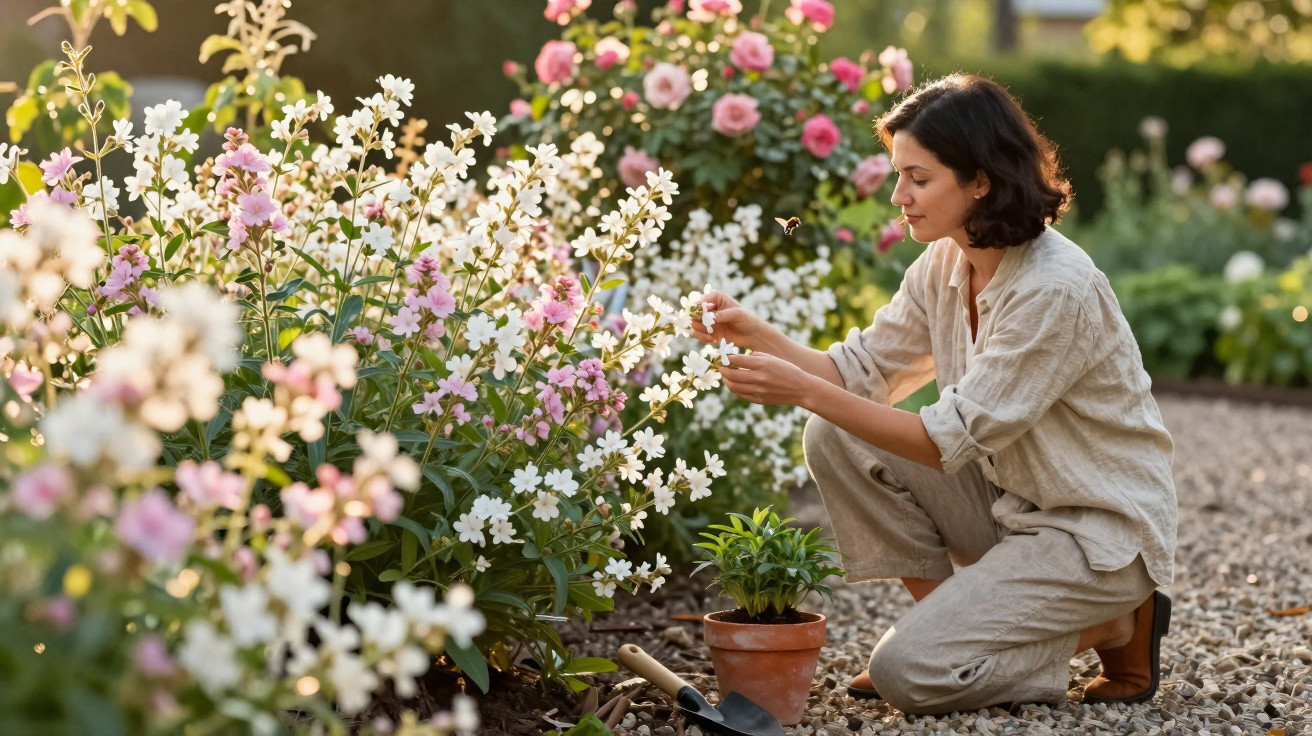
Flowers among vegetables may seem frivolous until you see bees connecting the whole garden. Calendula carries on through light frosts, borage brings energy to the bed, and sweet alyssum has the scent of a quiet sweet shop. More pollinators improve fruit set, helping your varied crops earn their keep. That low garden hum is part of the insurance policy.
What disappears when we forget
The Irish potato famine remains an old but important warning: depend too heavily on one crop and, when it fails, a country can go hungry. We are not living in the 1840s, but modern supply chains catch colds in their own ways. Think of the winter lettuce shortage, when Spanish greenhouses had a tantrum. Suddenly, limp leaves were being bargained over as if they were rare vinyl records.
Culture is lost as well. A pea handed down from a great-grandparent’s plot, a cabbage adapted to coastal winds or a tomato that always tastes better in your postcode-when such varieties disappear, we lose more than plants. We lose local knowledge about living well. Supermarkets cannot stock that; communities can.
Real choice on your plate starts long before the supermarket aisle. It starts when you request seed from a neighbour, plant two varieties rather than one, or select the crop that kept going through April without sulking. Each packet of heirloom seed recovers a small part of what has been allowed to disappear. That is not romanticism; it is supper insurance in a brown envelope.
Feeding the neighbours
Resilience works best with company. Seed swaps become story swaps, and those stories contain useful information-what rotted, what raced away and what simply refused. Arrive with labelled envelopes and a pen, and offer thanks twice. You will go home with seeds and three pieces of advice no search engine could provide.
Schools and community gardens are excellent seed centres, because children are instinctive conservationists with muddy knees. A WhatsApp group for your road can organise sowing dates, holiday watering arrangements and spare plug plants when half a tray fails for mysterious reasons. Diversity travels fastest when conversation carries it. Your own plot improves when the gardens around it are flourishing too.
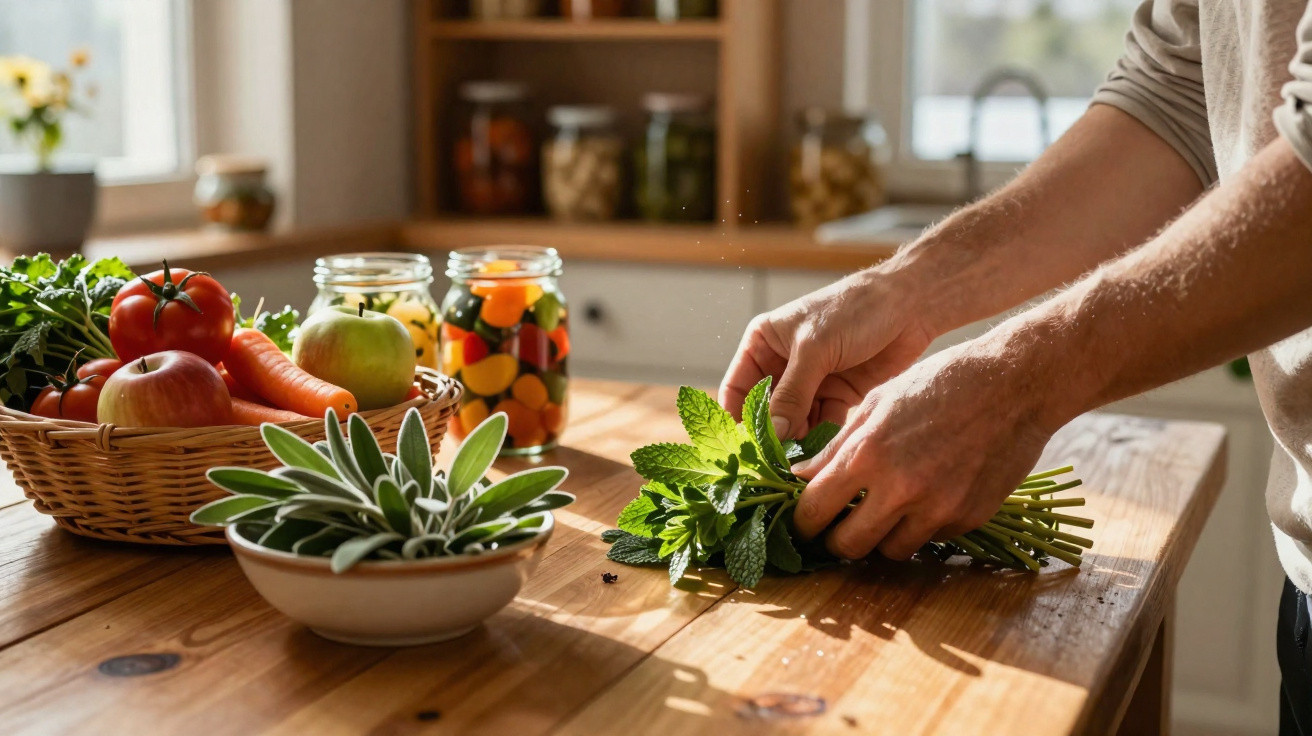
When you have a glut-and courgettes invariably attempt one-pass on both the harvest and the seed. It is about the least corporate act you can make with food, and it nudges your neighbourhood towards an abundance capable of laughing at a delayed lorry. In August, resilience sounds like scissors cutting herbs over a fence.
Start this season
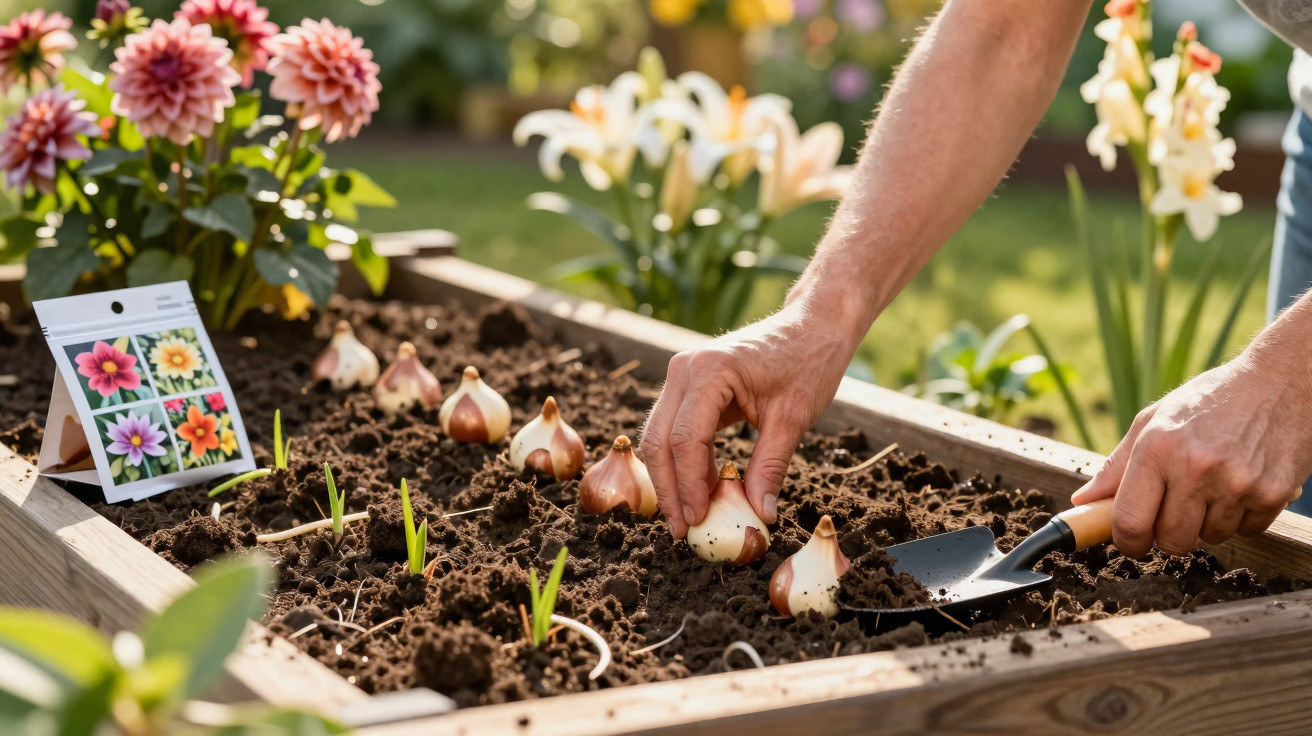
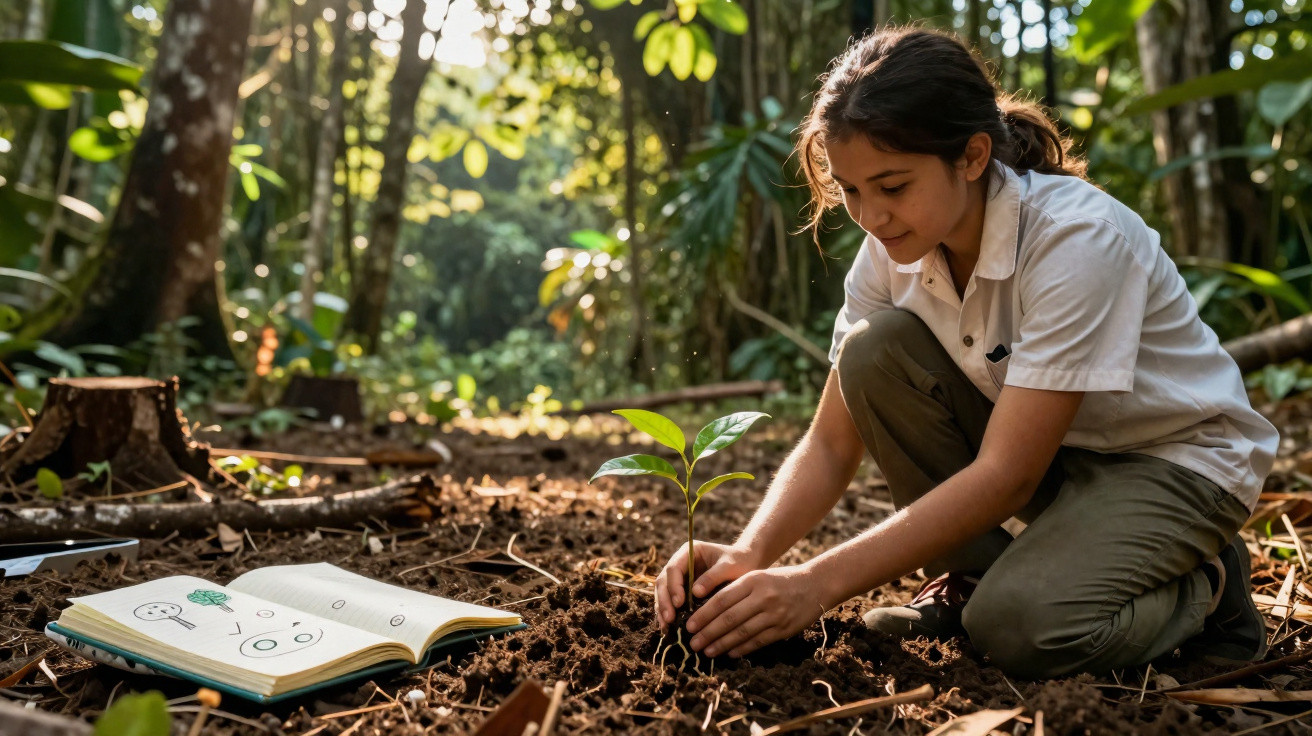
Choose three heirloom or open-pollinated varieties that appeal to you: one to save seed from, one selected for flavour and one tough enough to take a blow. Buy from a supplier that speaks honestly about how its seeds were produced, then begin a seed tin that you genuinely use. Sow small batches so that errors are less costly and successful crops can be repeated sooner. Record what excels in your own conditions, and use it to shape next year’s choices.
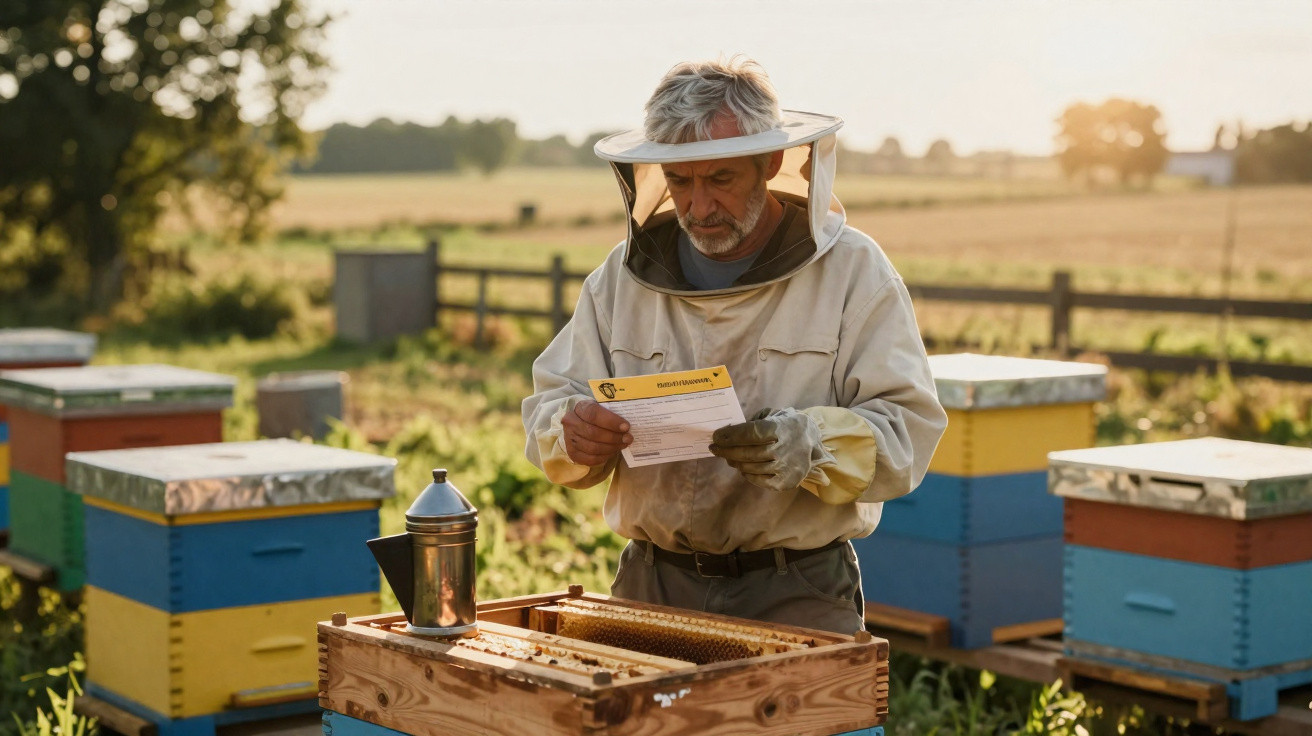
Before the weather decides what it wants to do, attend a swap or knock on the shed door of someone with more experience. Ask about their reliable keeper varieties-the ones that have never failed them. Put a few seeds into an envelope for a friend, adding the name, year and a line explaining why you selected them. That is how a plate becomes broader, tougher and more delicious.
The reality is that biodiversity is not a whiteboard concept; it is the February soup made from a squash that never flinched and beans that remembered sunshine. Gardens offer no guarantees, but they do negotiate, and heirloom seeds give you stronger terms. Somewhere within that negotiation is a tomato that smells as a tomato ought to smell. What might you find when you allow your garden to choose in return?

Comments
No comments yet. Be the first to comment!
Leave a Comment