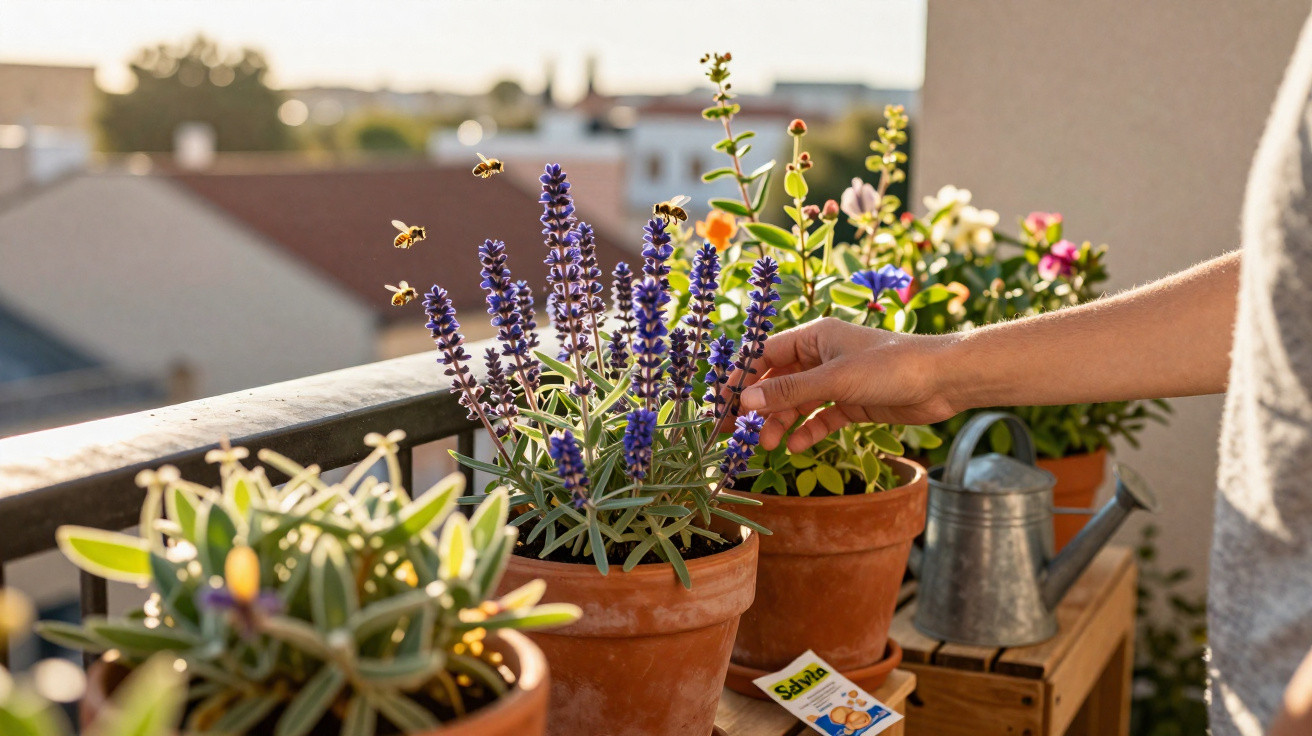
When people picture bees in the garden, they usually imagine rows of purple lavender. Yet in traditional village gardens, another plant often took centre stage beside the vegetable patch: a tough perennial that copes with drought, flowers for months and becomes a genuine refuelling stop for wild bees and honey bees alike. This very plant is now making a comeback – not just in cottage gardens, but also in modern, climate-resilient ‘no-watering-can gardens’.
The overlooked favourite: why gardeners once relied on perennial sage
The quiet star is perennial sage (botanically, Salvia). Our grandparents planted it densely around vegetable beds and fruit trees. Its flower spikes created a constant hum long before automated irrigation systems and exotic ornamental plants became commonplace.
Perennial sage produces tubular flowers. To bees, bumblebees and many butterflies, these are like small nectar stores. As soon as temperatures rise in spring, insects seem to cling to every flower spike.
“Perennial sage provides nectar for months – precisely what weakened wild bee populations in our towns and villages need.”
By comparison, lavender mainly offers an intense flowering peak at the start of summer. Perennial sage extends its flowering season considerably, bridging periods when there would otherwise be very little food available.
One frequently overlooked point is that many wild bees travel only 100 to 300 metres. Honey bees can cover several kilometres; wild bees cannot. Planting perennial sage beside a vegetable patch, berry bushes or an apple tree therefore creates a buffet for numerous species right on their ‘doorstep’.
Why perennial sage becomes the star of a dry garden
Perennial sage is ideally suited to an era of hot summers and watering restrictions. After its first year, it develops a deep root system, allowing it to reach residual moisture that other perennials cannot access at all.
- It tolerates poor, stony soil.
- It copes well with full sun.
- It withstands extended dry spells.
- It generally remains upright even in high heat.
Planting at the right time is important for a successful start. Late spring is ideal, once severe frosts have passed and the soil is warming but still retaining some moisture. This gives the sage several weeks to send roots deep into the ground before the first heatwave, whether it is planted in a border or a large container.
How to plant perennial sage in spring
A straightforward sequence helps establish a display that needs as little maintenance as possible:
- Choose a sunny to very sunny position that is drier rather than wet.
- Loosen the soil: stones are not a concern, but waterlogging is.
- Set the plant slightly higher than the surrounding soil so water can drain away freely.
- Water it in, then water only moderately until it has established.
By the second year, the difference is usually clear: it needs less water and the perennial appears almost ‘self-sufficient’.
Low-maintenance and bee-rich: keeping perennial sage in shape
In everyday gardening, perennial sage proves remarkably undemanding. A sunny spot with well-established roots is enough. Extra fertiliser is more likely to encourage soft, unstable growth than dense cushions of flowers.
Two simple care measures are sufficient to keep it compact and flowering for longer:
- In late winter, lightly cut back dead and blackened shoots.
- After the first major flush of flowers, trim plants moderately to encourage a second flowering period.
The leaves contain essential oils. Their fragrance deters many familiar pests. Slugs usually pass by the tough, aromatic foliage, while aphids also tend to remain limited.
“Anyone who plants perennial sage in small groups can turn a plain border into a lasting meeting place for pollinators.”
Depending on the variety, its colours range from deep blue through violet and pink to white. Together, they create an ever-changing display from April or May into autumn – a pleasure for insects as well as the eye.
Climate-resilient gardens: how sage transforms borders, containers and front gardens
Especially in towns and cities with gravel front gardens and parched lawns, perennial sage provides a real alternative. It tolerates roadside heat, performs well on roof terraces and can also grow in large pots on a balcony, provided excess water drains away properly.
Ideal companions for a dry, lively border
In the so-called ‘no-watering-can garden’, perennial sage works particularly well alongside other drought-tolerant plants. Typical companions include:
- delicate grasses such as feather grass (Stipa)
- summer-flowering plants such as gaura
- coneflower species such as Echinacea
- perennials with silvery leaves, including lamb’s ear or Mediterranean subshrubs
These combinations are not only visually striking in their structure; they also provide a varied supply of flowers from spring until autumn. This makes the area appealing to different pollinator groups, from furry bumblebees to tiny wild bees.
More than flowers: creating habitat for wild bees
Nectar and pollen are only one part of the picture. Many wild bees also need particular nesting structures. Anyone planting perennial sage can provide simple habitats at the same time:
- small patches of open, bare ground
- a few hollow stems left standing from the previous year
- several pieces of dead wood with cracks and cavities
Around two thirds of native wild bees dig their nests in the ground. The remainder occupy cavities in wood, plant stems or cracks in walls. Tidying everything until it is ‘spotless’ can unintentionally remove exactly the shelter they need.
“A small strip of untidy garden edge often does more for wild bees than any expensive insect nesting aid from a garden centre.”
Practical advice for beginners and small spaces
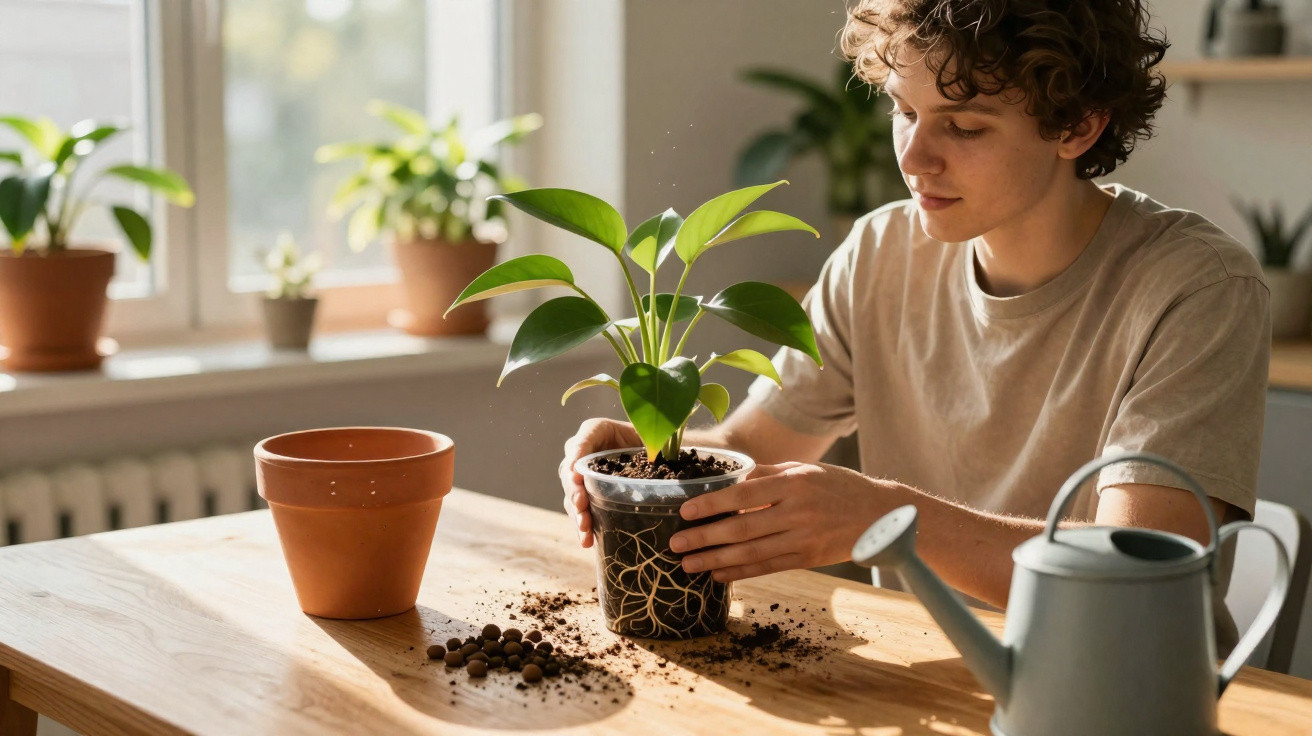
Even those with only a tiny front garden or balcony can benefit from perennial sage. It grows without difficulty in large pots filled with free-draining compost. A drainage hole in the container is essential, together with a bottom layer of expanded clay pellets or gravel.
For dense flowering cushions, it pays not to be too sparing: three to five plants per square metre create a continuous effect and a strong attraction for insects. In a container, a group of three plants often looks more balanced than a single specimen.
It is also particularly interesting for families: children can easily observe how different bee and bumblebee species behave around sage. Some may even nest in the soil near the plants. This naturally creates an engaging nature lesson right outside the front door.
What to look for when buying perennial sage
At the garden centre, it is worth taking a moment to read the variety description and label. Some cultivated varieties place greater emphasis on double flowers or extreme colours. Although these plants can look spectacular, they may sometimes offer insects less nectar than single-flowered, more ‘natural’ types.
Anyone specifically wishing to support pollinators should choose varieties with simple, easily accessible flowers. Labels such as ‘bee-friendly’ or ‘plants for pollinators’ offer an initial guide, but are not always a guarantee. It also helps to visit well-maintained local display gardens or herb gardens: where there is a constant buzz on sunny days, the plant selection is right.






Comments
No comments yet. Be the first to comment!
Leave a Comment