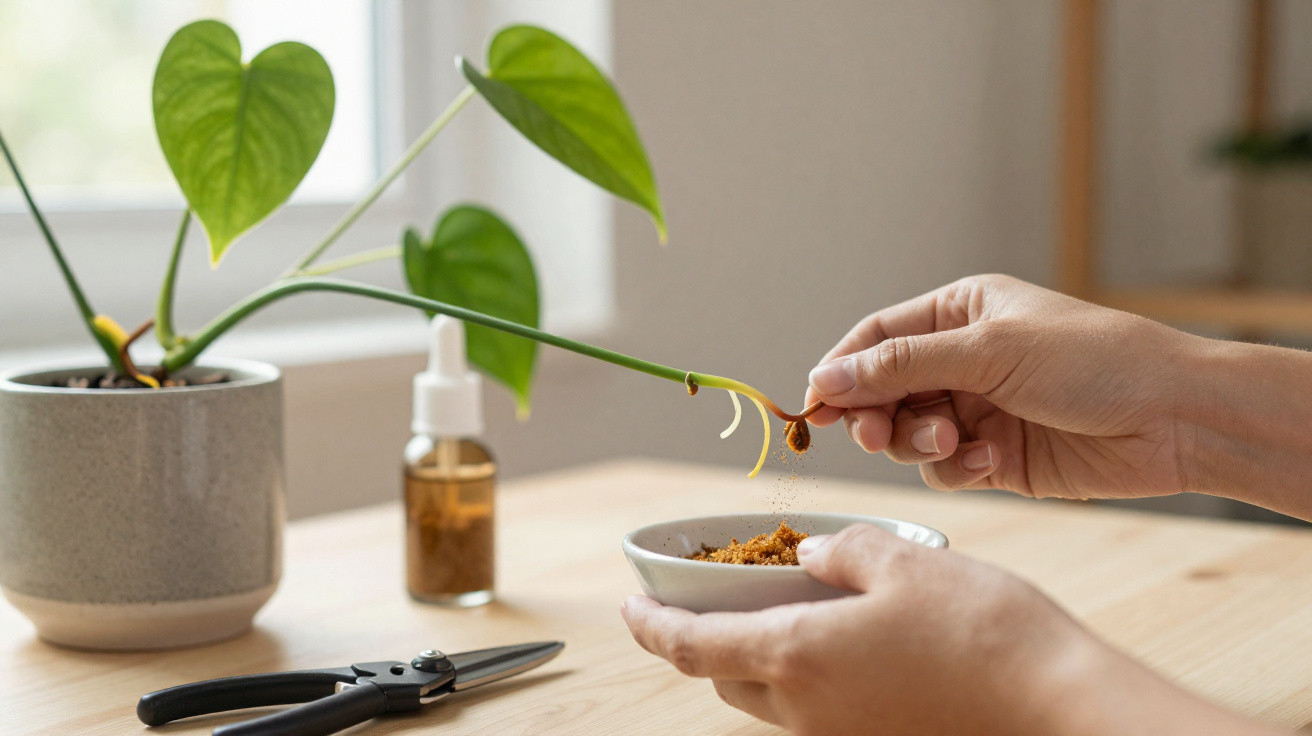
The answer may already be sitting on your spice rack.
An increasing number of home gardeners are choosing ground cinnamon over costly treatments, applying it to vulnerable roots to help prevent plants from slipping into a gradual, unnoticed decline.
Why gardeners are using cinnamon for struggling roots
Cinnamon has become a quiet cult favourite in US and UK gardening communities and plant forums. It is used on orchids, monsteras, roses and even herbs grown on balconies. At first, putting a baking spice on plant roots may seem strange, but the idea has a reasonable basis.
The bark used to make cinnamon contains compounds with antifungal and antibacterial properties. Applied with care, these compounds can help shield injured or stressed roots from rot, a problem that often kills plants before their owners realise there is an issue.
Cinnamon does not “fix” every problem, but it can tip the balance when roots face fungus, minor injuries or damp soil.
Most indoor plants do not suddenly die. Instead, they deteriorate over several weeks as their roots become waterlogged or begin to rot in soggy compost. Yellow leaves, feeble new growth and a faintly sour smell from the soil are common warning signs. By then, the hidden damage beneath the surface may already be substantial. Cinnamon offers inexpensive, low-tech support at this point.
How cinnamon helps plant roots
Researchers and growers generally highlight three key ways cinnamon may support root care.
A natural barrier against fungi and bacteria
Fungal spores are present in potting mix, water and the air. They are usually harmless until the environment encourages them, such as when soil is compacted, moisture is excessive, drainage is poor or temperatures change suddenly.
Cinnamon includes compounds, including cinnamaldehyde, which interfere with fungal growth. It is not a substitute for a commercial fungicide, but it may slow spreading on sensitive roots and newly cut stems.
On small wounds and young cuttings, a thin dusting of cinnamon forms a dry barrier where disease organisms struggle to gain a foothold.
Helping injured roots dry and recover
Repotting, dividing clumps and rescuing an overwatered plant can all cause roots to snap. These breaks expose tissue that can become a starting point for rot. Cinnamon powder takes up a small amount of surface moisture, helping these minor wounds dry more quickly.
When tissue is dry and sealed, rot-causing pathogens find it more difficult to establish themselves. This gives the root system a stronger opportunity to recover and produce new white root tips.
Deterring small pests around pots
Many home gardeners also find that cinnamon can disturb certain small insects. It is not a complete insecticide, but it may deter ants and some pests that live in soil from settling in containers.
- Ant trails frequently avoid pots that have been dusted with cinnamon.
- Adult fungus gnats dislike surfaces that are very dry and covered with cinnamon.
- Slugs and snails generally steer clear of thick barriers made from strongly scented spices.
These results are limited, but they provide another reason gardeners keep a jar close to the potting bench.
How to use cinnamon on roots without damaging plants
Applying cinnamon is mostly straightforward, although a few good practices separate useful support from a messy waste of spice.
Basic method for damaged or exposed roots
If you are repotting a plant or dealing with root rot, follow these steps:
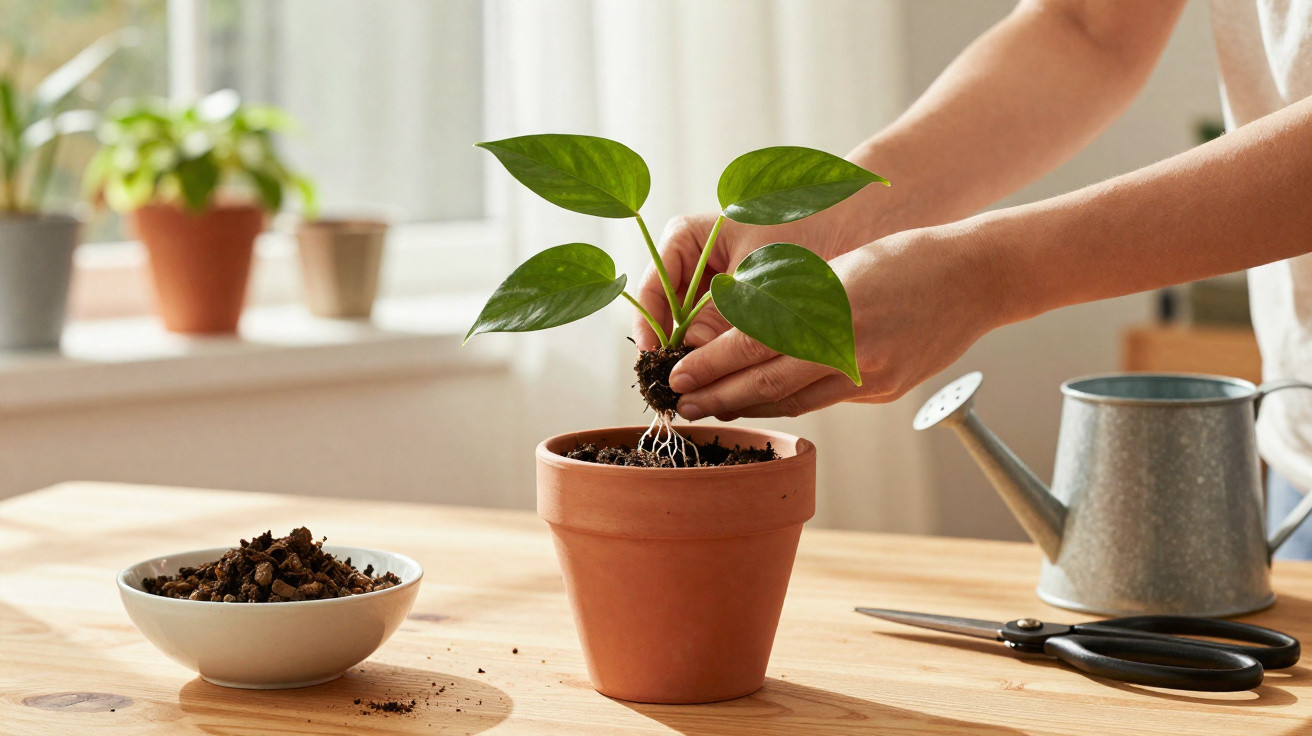
- Remove the plant from its pot and shake away loose, wet compost.
- With clean scissors, cut off roots that are black, soft or hollow.
- Leave the plant on a tray or sheet of newspaper for 20–30 minutes, allowing cut areas to begin drying.
- Gently dip or dust the healthy remaining roots with ground cinnamon, using only enough to cover the fresh cuts.
- Repot in fresh, free-draining compost and avoid dense, compacted soil.
Choose plain ground cinnamon rather than cinnamon sugar or spice blends. Sugar can attract mould and insects, defeating the intended purpose.
Using cinnamon on stem cuttings and for propagation
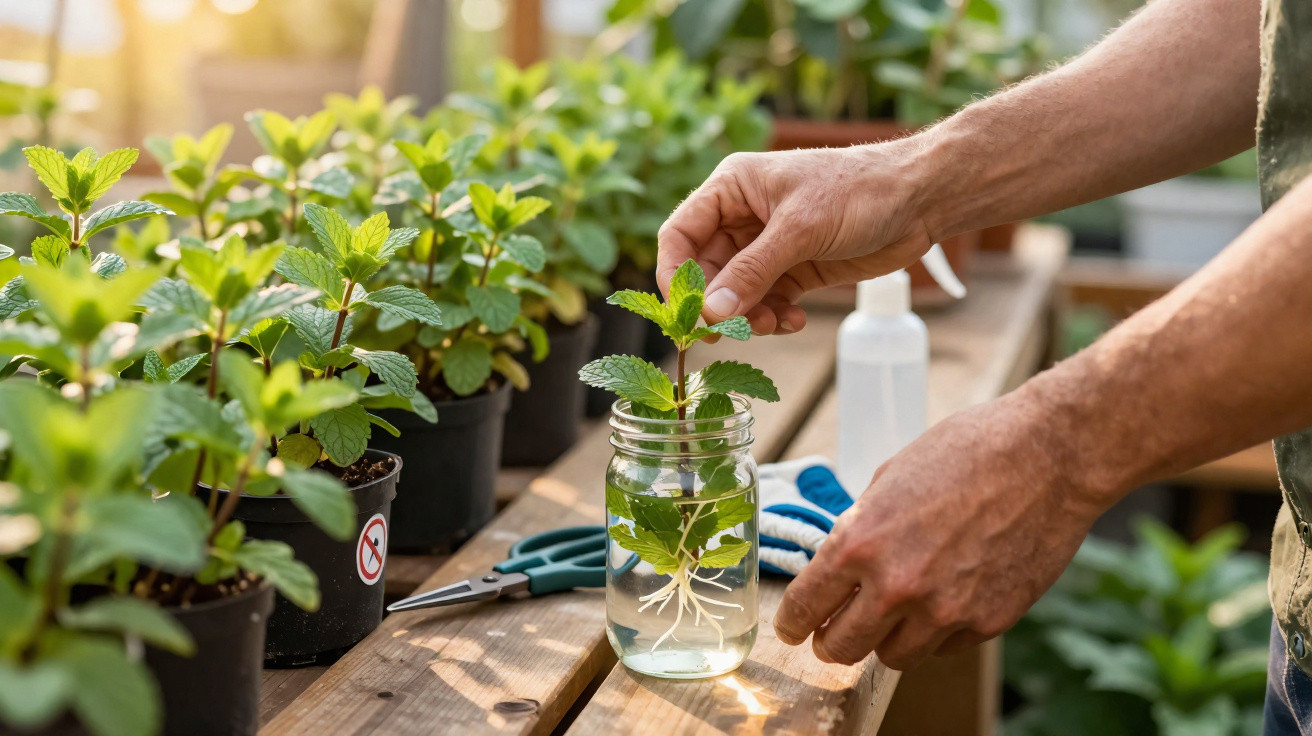
Many gardeners use cinnamon as a kitchen-grade alternative to rooting hormone. It cannot equal specialist rooting powders, but it can give stem cuttings a cleaner start.
For straightforward cuttings:
- Make a cut below a node using a clean, sharp blade.
- Take off any lower leaves that would otherwise sit in water or soil.
- Dip the newly cut base in water, followed by a small pile of cinnamon.
- Shake or tap away the excess, leaving a thin coating around the base rather than a thick clump.
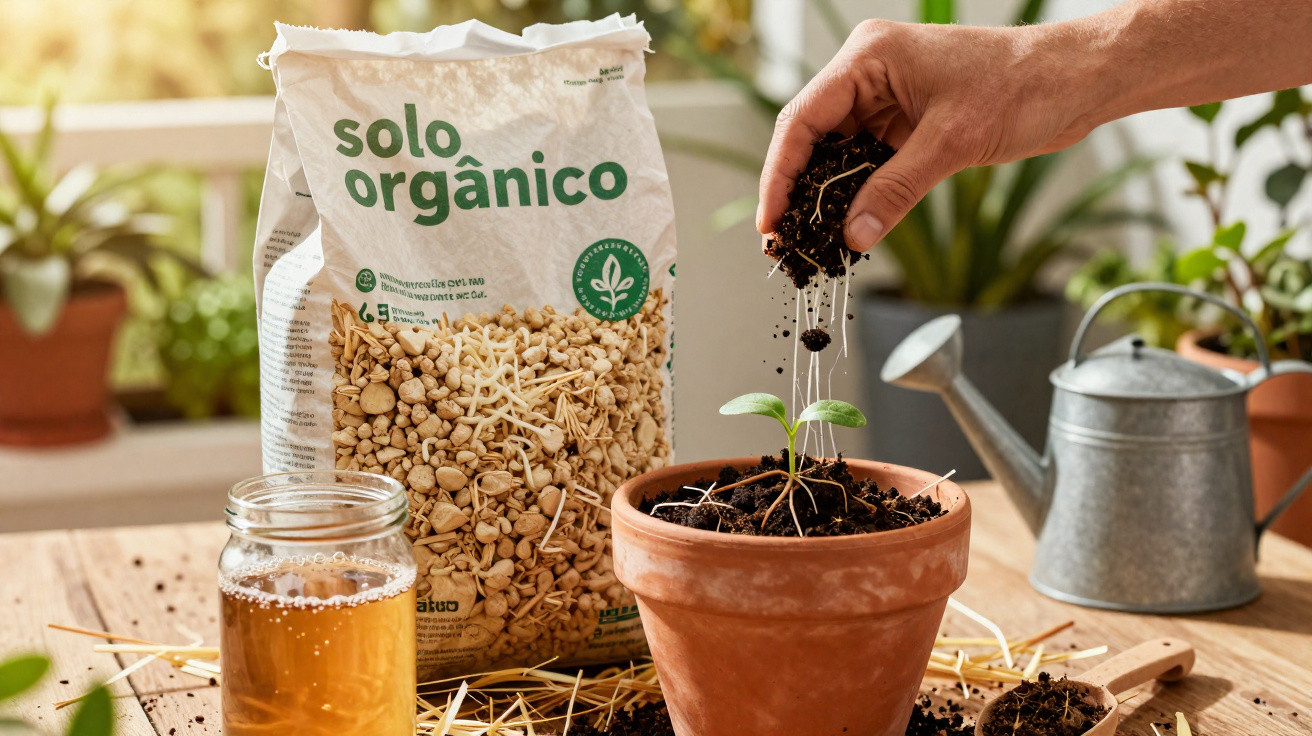
- Plant directly into moist, airy compost, or into a blend of perlite and peat-free potting soil.
Cinnamon on cuttings mainly reduces fungal loss; any boost to root speed is a bonus, not a guarantee.
Sprinkling cinnamon over the soil surface
Some gardeners use cinnamon when fuzzy white mould appears on top of potting mix. In this case, a light dusting over the surface can be appropriate.
| Situation | Cinnamon use | Likely effect |
|---|---|---|
| White mould on compost | Thin layer over affected area | Slower fungal regrowth, cleaner surface |
| Overwatered soil, no mould yet | Dust after improving drainage | Extra support while soil dries, less chance of rot |
| Newly potted plant | Optional light ring around stem base | Dryer collar zone, fewer minor infections |
Do not work large quantities deeply into the compost. Excessive amounts may disrupt certain beneficial microbes and could slightly alter how moisture moves around sensitive roots.
When this kitchen trick is most useful
Cinnamon is most effective as a focused treatment, not as something used continually. Gardeners report the greatest value at several recurring times.
After pruning roots or dividing plants
Splitting an overcrowded peace lily, trimming bonsai roots or dividing perennial clumps produces numerous small wounds. Dusting these cuts before repotting can help them dry and remain cleaner during the days that follow.
During rescue attempts for overwatered plants
Drooping yellow leaves, compost that remains wet for days and a sour odour usually indicate too much water. Any rescue should begin by reducing watering and improving drainage. Cinnamon can provide support after rotten sections have been removed.
Cinnamon cannot dry a swampy pot; it only helps once you correct watering, soil mix and drainage holes.
When rooting soft, delicate cuttings
Herbs including basil, mint and oregano can often fail from fungal problems before they have rooted. A light coating of cinnamon on the cutting base, alongside clean tools and fresh growing medium, can reduce these early losses.
Risks, limits and myths around cinnamon in gardening
As this trend gains traction on social media, some claims are moving beyond the available evidence. Cinnamon should be viewed realistically.
- It cannot cure viral diseases or severe, advanced root rot.
- It is not a replacement for balanced fertiliser, suitable light or correct watering.
- It may irritate the skin and lungs if used in airborne clouds, so do not blow or throw it around.
- Large heaps can create a crust on compacted soil, trapping moisture rather than allowing it to evaporate.
In thin, targeted applications, cinnamon can suit a wider low-chemical gardening approach. Used excessively, it wastes spice and may stress the soil ecosystem that healthy roots rely on.
Getting the basics right so cinnamon can help
No quantity of spice can save a plant growing in unsuitable conditions. For most commonly kept indoor plants, three habits do more to protect roots than any kitchen-based remedy.
- Test the compost with your finger before watering; in most cases, the top layer should dry slightly between waterings.
- Choose pots with drainage holes, and avoid decorative containers that hold water around plastic nursery pots.
- Select a potting mix suited to the plant: airy for orchids and aroids, and a little heavier for ferns and plants that prefer moisture.
Cinnamon can then serve as a safety net during stressful events, including pruning and repotting, rather than becoming a solution for repeated care mistakes.
Where cinnamon belongs among other natural garden aids
Home gardeners often pair cinnamon with other affordable options. Crushed eggshells can alter calcium levels in some soils. When used carefully, coffee grounds can improve structure and add organic matter. Chamomile tea is also sometimes included in seed-starting routines to help control damping-off disease.
Cinnamon belongs alongside these options: accessible, modest and best considered one tool in a wider kit rather than a miracle treatment. Trying it first on one pot before using it more widely lets you see how your particular plants and soil react.
For gardeners weary of seeing cherished plants fade after each repot, a teaspoon of spice in the root zone provides a different sort of experiment-one in which careful observation, small changes and kitchen-cupboard science meet on the same potting bench.







Comments
No comments yet. Be the first to comment!
Leave a Comment