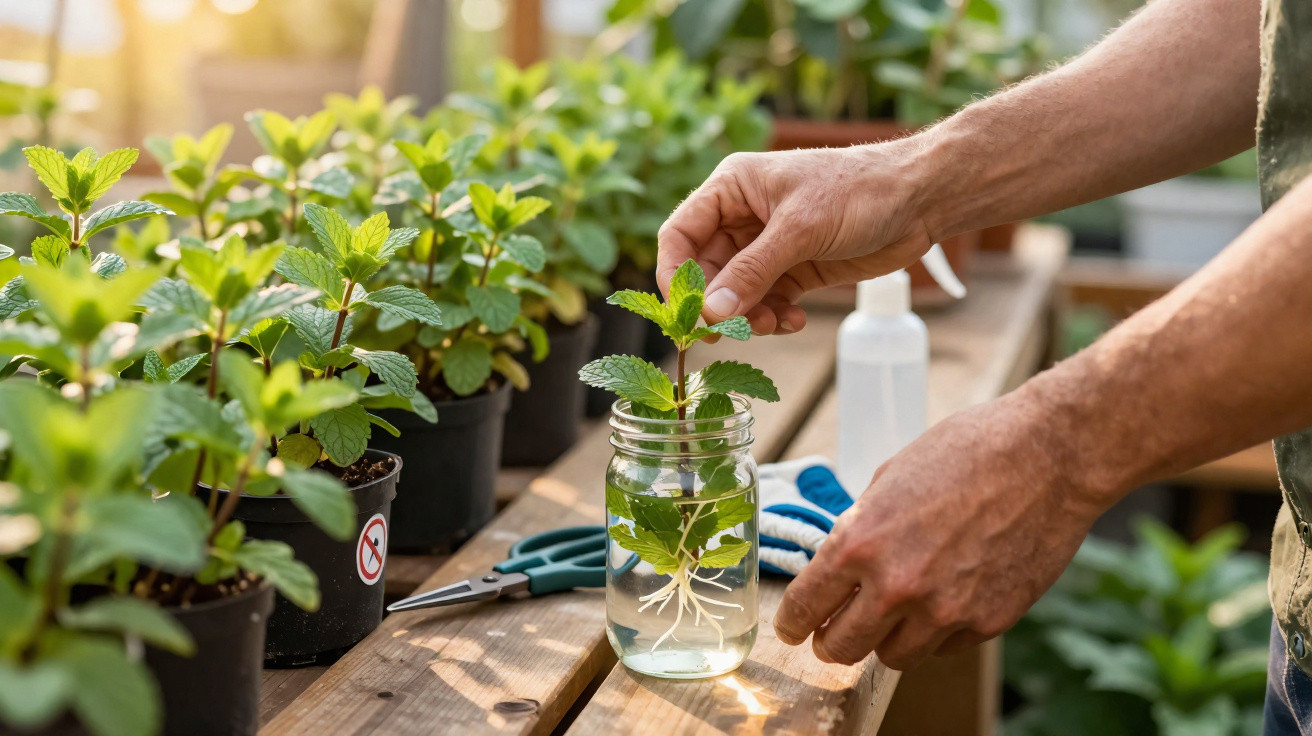
A viral surge of mint cuttings in water has divided gardeners sharply. Budget-conscious growers praise a supply of free herbs that keeps multiplying on a bright windowsill. Nursery owners, meanwhile, see the risks of disease, reduced takings and a worrying progression from “just a snip” to conduct that closely resembles theft. The debate is growing faster than the roots.
A student recorded herself trimming stems, removing the lower leaves and placing each sprig in water-the familiar process millions have picked up from calming short-form videos. A couple of suburbs away, a nursery manager watched that same clip with a clenched jaw after seeing a commenter boast about taking one “tiny cutting” from a garden centre display plant to avoid paying $4.99.
One windowsill. Two perspectives. And then the dispute begins.
A jar, a stem and thousands of opinions
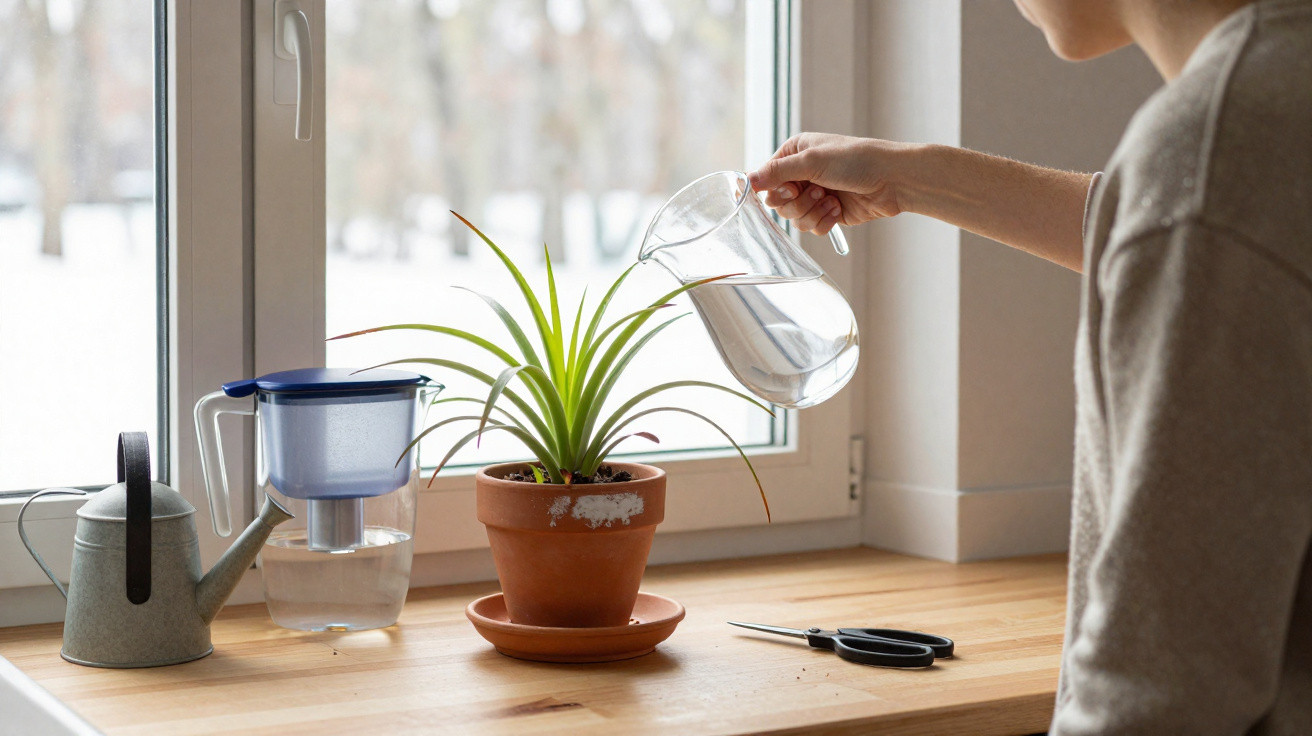
Mint-in-water videos do more than instruct: they soothe. There is the clink of a glass jar, the vivid green against a pale background, and the quiet promise of unlimited tea and tabbouleh. With grocery costs rising, that modest success can feel like a dopamine hit. The appeal lies in its simplicity: a stem, a jar and a week or two, then roots seem to emerge by magic.
Browse any social platform and you will see kitchens turned into small propagation stations. One reel features a university flat with five old jam jars arranged along a sunlit sill, each labelled with washi tape. Another follows a father in a rented studio, smiling as he tastes the first fresh leaf he “grew from nothing.” Hashtags about mint cuttings have attracted millions of views, while the comments form a familiar refrain: “Free herbs!” “No garden? Still grow.” It is easy to get swept up in it.
That enthusiasm clashes with a more difficult reality in gardening trade groups and at shop tills. Mint cuttings may harbour rust spores, downy mildew or concealed root rots that remain unnoticed until a plant suddenly fails. Nurseries invest time and money in maintaining clean stock, and every unauthorised snip compromises those efforts. For growers paying wages and rent, free herbs aren’t free when somebody else absorbs the cost.
Propagating mint cuttings responsibly: clean jars, clear conscience
Anyone propagating mint should begin with hygienic methods and straightforward ethics. Take cuttings from your own plant, from a friend’s plant or through community cutting swaps-settings created specifically for sharing. Use sharp scissors cleaned with isopropyl alcohol. Make a cut from a 4–6 inch stem just above a node, remove the lower leaves and put the stem into fresh, room-temperature water. Replace the water every two days, position the jar in bright, indirect light and expect roots within 7–10 days. Transfer it to fresh, sterile potting mix, then keep it apart from other plants for two weeks.
Small errors can have expensive consequences. Packing five stems into one jar encourages slime and rot, while two or three have more room to breathe. Harsh direct sunshine can heat a jar by midday, and leaves decomposing below the waterline will contaminate the whole thing. If it smells swampy, start again. Realistically, nobody manages this perfectly every day. Make the routine suit your life: set a phone alert to change the water, keep a small bottle of peroxide close by, and value improvement rather than perfection. We have all had a jar turn unpleasant and acted as though it was probably fine.
Good manners in retail settings matter as well. Do not “sample” a nursery plant or secretly cut display herbs at a supermarket. Feeling like a minor act of rebellion does not excuse a loss of stock for a small business. Ask before you snip is an easy social agreement: many retailers will offer prunings or sell an inexpensive starter plant.
“We’re not the enemy,” says Carla, who runs a family nursery. “We’ll hand you cuttings or discount a pot. Just don’t take from the bench and call it community.”
- Ethical checklist: seek permission, take no plant material from shops, exchange cuttings with neighbours, purchase a mother plant once, and quarantine new plants.
- Hygiene quick wins: sterilise tools, replace water regularly, remove submerged leaves, use clean jars and check for orange rust spots.
- Low-risk sources: friends, community gardens with swap boards, plant libraries and your own balcony pot.
What is really at stake
Mint is tough-almost swaggeringly so-which can make this disagreement seem overly fussy. But diseases spread through cuttings, not through opinions. Rust appears as powdery orange pustules; downy mildew causes purple patches and fuzzy leaf undersides; and water-rooted stems may carry unseen pathogens such as Pythium. Financially, a stream of “just one cutting” incidents becomes meaningful stock loss for independent shops already under pressure from big-box prices. Socially, the trend reflects something gentle and positive: people want to grow something green on a sill, cut a household bill and taste summer from a glass. Both truths can stand when we establish better habits-ask first, share appropriately and keep jars cleaner than comment sections.
| Key point | Detail | Why it matters to the reader |
|---|---|---|
| Ethics of cuttings | Take cuttings from your own plants, friends or swaps; never from shop displays | Prevents disputes and helps support local businesses |
| Clean propagation | Sterilise tools, change the water, use bright indirect light and quarantine plants | Supports quicker rooting, fewer failures and less disease transmission |
| Spotting trouble | Rust pustules, a musty odour, slimy stems and distorted leaves | Helps you identify problems before they spread around your space |






Comments
No comments yet. Be the first to comment!
Leave a Comment