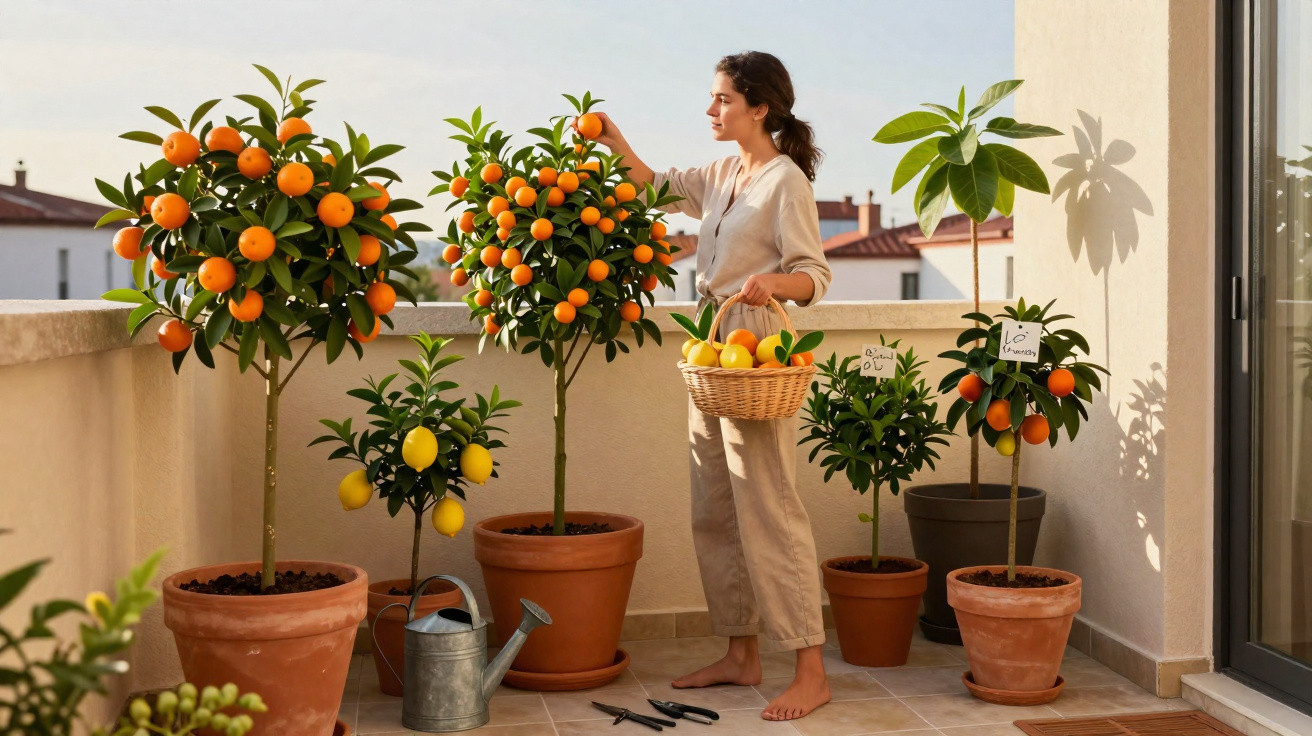
With the right fruit trees, you can get results far more quickly.
Choose wisely and you could be picking lemons, figs or peaches from your own miniature orchard after just a few seasons – even if all you have is a balcony. The key is selecting suitable varieties, giving them a strong start in the soil and providing a little timely care.
Getting your own fruit quickly: what really matters
Many amateur gardeners give up in frustration because traditional fruit trees can take a long time to bear fruit. However, some types naturally grow faster and begin producing fruit earlier. They are ideal for small gardens, front gardens, patios and even large containers on a balcony.
“Anyone who wants to harvest quickly needs two things: suitable varieties and a well-prepared site with loose, nutrient-rich soil.”
Before buying from a garden centre, it is worth making a quick check:
- Position: at least several hours of sunshine each day, sheltered from the wind
- Soil: loose, rich in humus and not permanently waterlogged
- Water: consistent moisture, especially during the first growing year
- Feeding: organic is preferable – compost, well-rotted manure and plant feeds
- Pruning: light formative pruning to encourage strong branches
Once these basics are in place, fast-growing fruit trees can really take off. Eight species stand out in particular.
Compact citrus trees for balconies and patios
Calamondin: the speedy ornamental and fruiting tree
Often sold as an ornamental orange, the calamondin is a versatile small tree for containers. It stays compact, is easy to shape and frequently produces plenty of small fruits while still young.
It prefers a bright, warm position, ideally facing south or west. It can live outdoors in summer, but needs a bright, cool place indoors or in a conservatory for winter. A spot that is too dark quickly leads to leaf drop and weaker growth.
Kumquat: tiny fruits, early harvests
Kumquats are ideal for anyone who wants something exotic but still easy to look after. These miniature citrus fruits can be eaten with their peel, offer an intense flavour and appear even on relatively young plants.
In warmer regions, they can cope with light frosts, but in central Europe they are best kept in containers as a precaution. The essentials are:
- a position in full sun
- regular watering, without overwatering
- citrus fertiliser every two weeks in summer
Keep to this routine and you will soon be rewarded with flowers and fruit.
Lemon tree: a classic with a turbo boost
A lemon tree is almost always the first choice for anyone dreaming of their own citrus tree. It grows quickly, responds well to sunshine and develops an impressive canopy in a short time.
Well-drained soil or container compost containing sand is essential. Lemon trees do not tolerate waterlogged roots at all. Give one a warm, sunny, sheltered position, however, and it will flower early – followed soon after by its first fruits.
Mandarin: a sweet fruit tree for patient growers
Mandarin trees also grow fairly quickly while remaining manageable in height. They work well as container plants for patios and roof gardens, provided they can be overwintered frost-free.
Compared with lemon trees, they are slightly more sensitive to waterlogging and cold, but good care is repaid with abundant blossom and sweet fruit. Anyone with a sunny winter home can expect regular harvests after just a few years.
Robust fruit trees for planting in the garden
Fig tree: Mediterranean character without a long wait
Fig trees often grow at an astonishing pace in the garden. In a warm, sheltered position, they rapidly become striking trees or large shrubs and commonly produce their first fruits after a relatively short time.
Once well rooted, they cope with poor, fairly dry soils. Their drought tolerance is particularly valuable in hot years. A light prune in late winter keeps the canopy in shape and encourages new fruiting wood.
Mulberry: sweet berries and a magnet for birds
Mulberries grow vigorously, forming a broad canopy and producing many small, exceptionally sweet fruits. They are well suited to wildlife gardens because they attract numerous birds and insects.
“Anyone planting mulberries should factor this in from the start: plenty of fruit drops to the ground in late summer – good for animals, less good for pale patio paving.”
A location where fallen fruit will not be a nuisance is therefore best, such as at the back of the garden or near a lawn. The tree itself tolerates sunny positions and adapts to a range of soil types.
Elder: fast-growing, versatile and native
Strictly speaking, elder is more of a large shrub, but it grows so quickly that it resembles a small tree within just a few years. It sends up strong new growth, spreads through underground suckers and produces many flower heads and clusters of fruit.
The flowers can be used for syrup and baking, while the ripe berries – once cooked – are suitable for juice, jelly or purée. Elder prefers partial shade to sunny sites and also copes with somewhat heavier soils, as long as they are not permanently wet.
Peach tree: summer fruit in record time
Peach trees are among the fruit trees that bear early. Plant a young grafted tree and you can often expect your first peaches after only a few years.
They need warmth and a sunny, sheltered location; a house wall that stores additional heat is ideal. The soil should not be too clay-heavy or wet. Regular pruning after harvest keeps the tree vigorous and promotes flowers for the following year.
Which fruit tree suits which location?
| Type | Suitable location | Particular advantage |
|---|---|---|
| Calamondin | Container, balcony, bright window area | often fruits almost all year round |
| Kumquat | Warm patio, container | fruits can be eaten with the peel |
| Lemon | Sunny patio, conservatory | aromatic fruit for cooking and drinks |
| Mandarin | Balcony or patio in a container | compact growth, sweet fruit |
| Fig | Warm garden spot, house wall | drought-tolerant, exotic character |
| Mulberry | Freestanding position in the garden | strong attraction for wildlife and birds |
| Elder | Garden edge, wildlife garden | flowers and berries have many uses |
| Peach | Warm, sheltered garden position | early, juicy summer fruit |
How to get the most from fast-growing fruit trees
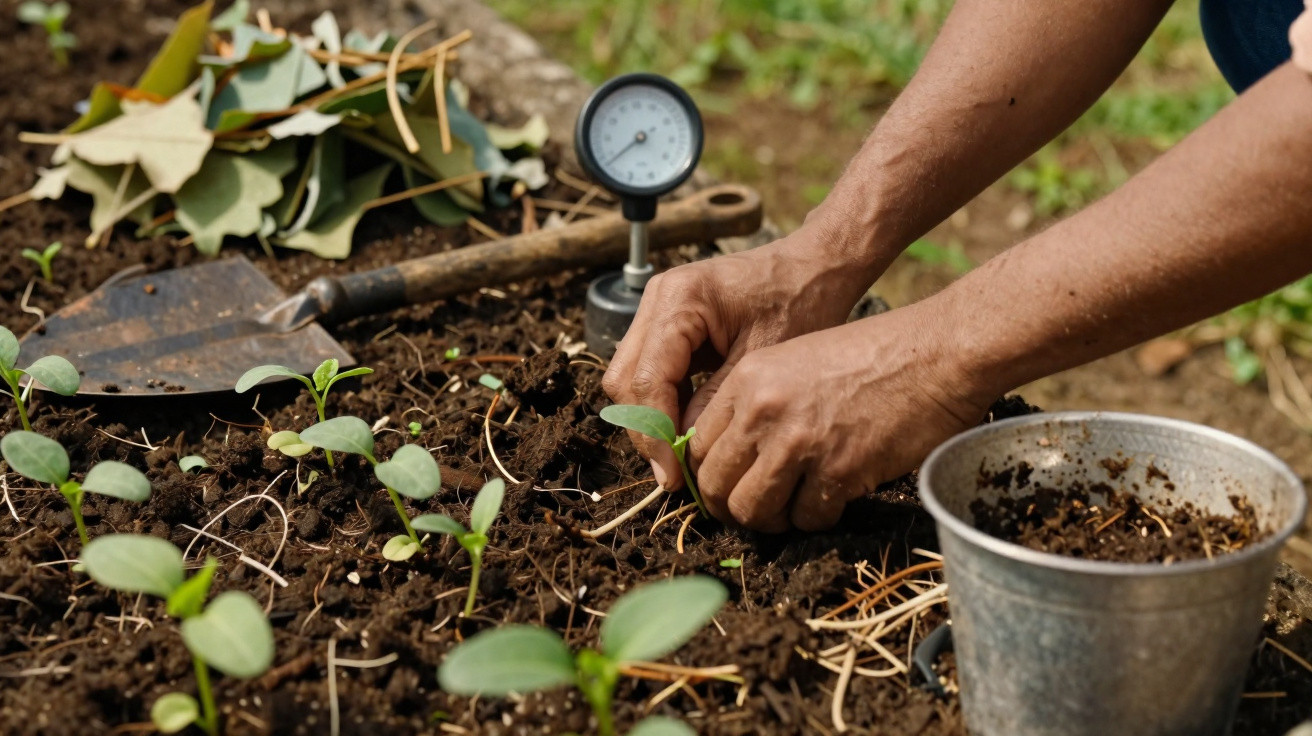
Planting correctly from the outset saves a great deal of work later. A generous planting hole, loosened ground and a mixture of garden soil and compost provide the right start. Water thoroughly after planting, then water regularly during the first few weeks.
A stake or plant support will steady young trees during their first year. A mulch layer made from grass clippings or leaves retains soil moisture and protects roots from summer heat.
“Water regularly but moderately – young trees are more sensitive to drought stress than to slightly lean soil.”
When it comes to pruning, a little each year is better than radical work every few years. Light adjustments in late winter or immediately after harvest are usually enough to maintain a strong canopy and allow fresh fruiting wood to develop.
Practical advice for balcony and container gardeners
No garden does not mean going without fast-growing fruit trees. Many citrus varieties, along with compact figs, perform very well in pots. Large containers with drainage holes and structurally stable container compost that stays loose for several years are essential.
To prevent plants from becoming underfed, follow a feeding schedule: apply liquid fertiliser every two weeks from spring until late summer, then stop during autumn and winter. Standing water in saucers must be avoided, otherwise root rot and leaf loss can follow.
Risks to be prepared for
Fast-growing does not automatically mean trouble-free. Some species, especially elder and mulberry, can require a great deal of space over time. Anyone planting in a terraced-house garden should keep their eventual size in mind to avoid later disagreements with neighbours.
There are also common diseases to consider: peach trees are susceptible to peach leaf curl, while figs can develop rotting fruit during very wet summers. Prevention helps – choose an airy site, avoid permanently wet soil and inspect leaves carefully. At the first signs of trouble, gardeners are better off acting early rather than late, for example by removing affected shoots.
With some planning and the right selection, these eight fruit trees can turn even small spaces into remarkably productive miniature orchards – without years of waiting for your first home-grown harvest.




Comments
No comments yet. Be the first to comment!
Leave a Comment