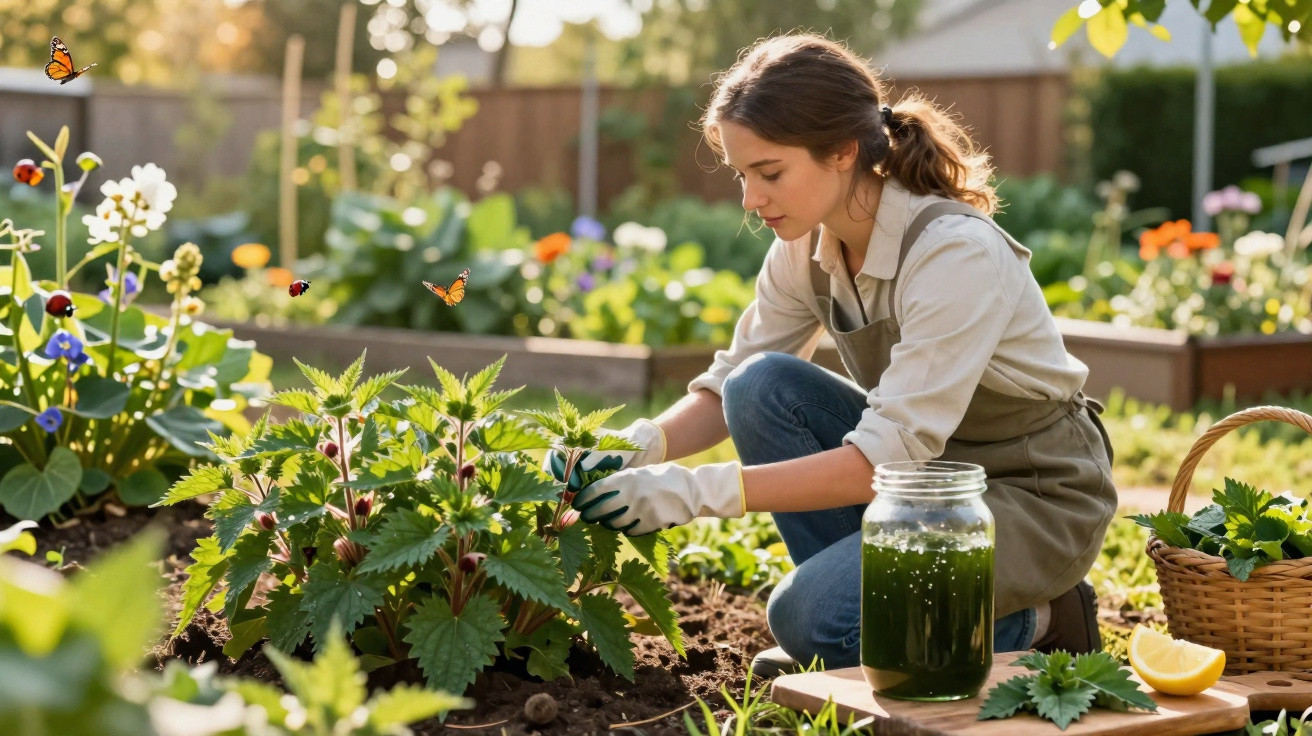
One plant seems to take the blame time and again.
With hands numb from the cold and a wheelbarrow at the ready, we inspect beds and borders for anything untidy or misplaced. Each year, the same hardy green stems emerge beside paths, around compost heaps and in overlooked corners. They sting, they spread, and the instinctive response for many gardeners is to pull them up. But this well-known “enemy” discreetly helps insects, nourishes the soil and may even end up in your soup.
The weed we love to hate
For generations, stinging nettles have been regarded as the ultimate troublesome weed. They sting children’s bare legs, take over neglected areas and appear precisely where you believed the garden was under control. Both gardening guides and everyday advice commonly place them at the top of the “remove first” list.
That reaction runs deep. Nettles grow vigorously, indicate fertile ground and often establish themselves in spots gardeners interpret as “mess” rather than thriving life. Their sting can feel like a penalty for gardening without gloves. For many, they bring to mind derelict corners, abandoned plots and railway embankments. Long before biodiversity became a serious topic of conversation, the plant had become a symbol of neglect.
Nettles thrive where the soil is rich and alive, acting more as a symptom of fertility than a sign of failure.
As climate concerns change the way we garden, that long-standing view is beginning to falter. A plant once seen as an unruly invader can now be recognised as a free source of habitat, fertiliser and food. The more we understand gardens as small ecosystems, the less convincing it becomes to remove every nettle simply as a matter of principle.
Stinging nettles as winter wildlife shelter
From a biodiversity perspective, nettles are among the most giving plants to retain in a temperate garden. Their thick stands and mineral-rich foliage support a remarkable variety of creatures that begin working in your favour when spring returns.
A number of butterfly species use nettles as a nursery. Peacock butterflies, small tortoiseshells and red admirals lay their eggs on the leaves, allowing caterpillars to feed under cover. Helpful insects including ladybirds and hoverflies also congregate there, either eating aphids or taking shelter among the intertwined stems.
A modest nettle patch functions as a living insect hotel, storing future pest-controllers through the cold months.
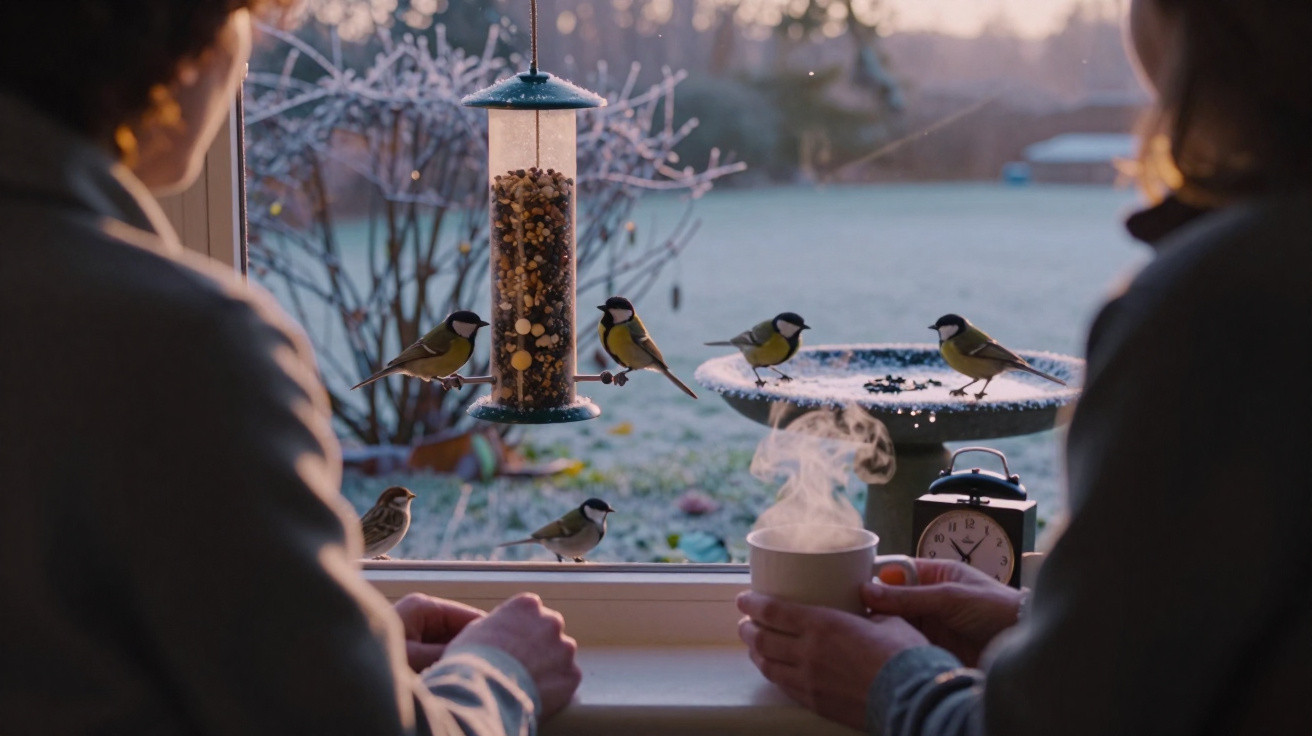
Even when beds seem bare in January, the foot of a nettle clump can conceal eggs, pupae and overwintering adults. Spiders stretch their webs through the growth, ground beetles move through the debris, and small birds search for insects sheltered by the nettles. Leaving a proportion of plants in place preserves a continuous food chain that extends into vegetable beds as temperatures increase.
The results can be noticeable. Gardeners who accept a designated nettle area often report fewer major aphid outbreaks and a healthier balance of predators and pests. Rather than purchasing “beneficial insects” in plastic packs, you give them a lasting home in the garden.
Hidden fertiliser in every leaf
Nettles offer more than indirect benefits through wildlife. Their own plant material contains a concentrated mix of nutrients. Their deep, fibrous roots bring up nitrogen, potassium, iron and magnesium, which become concentrated in the leaves. As a result, an unwanted weed becomes a no-cost, slow-release fertiliser.
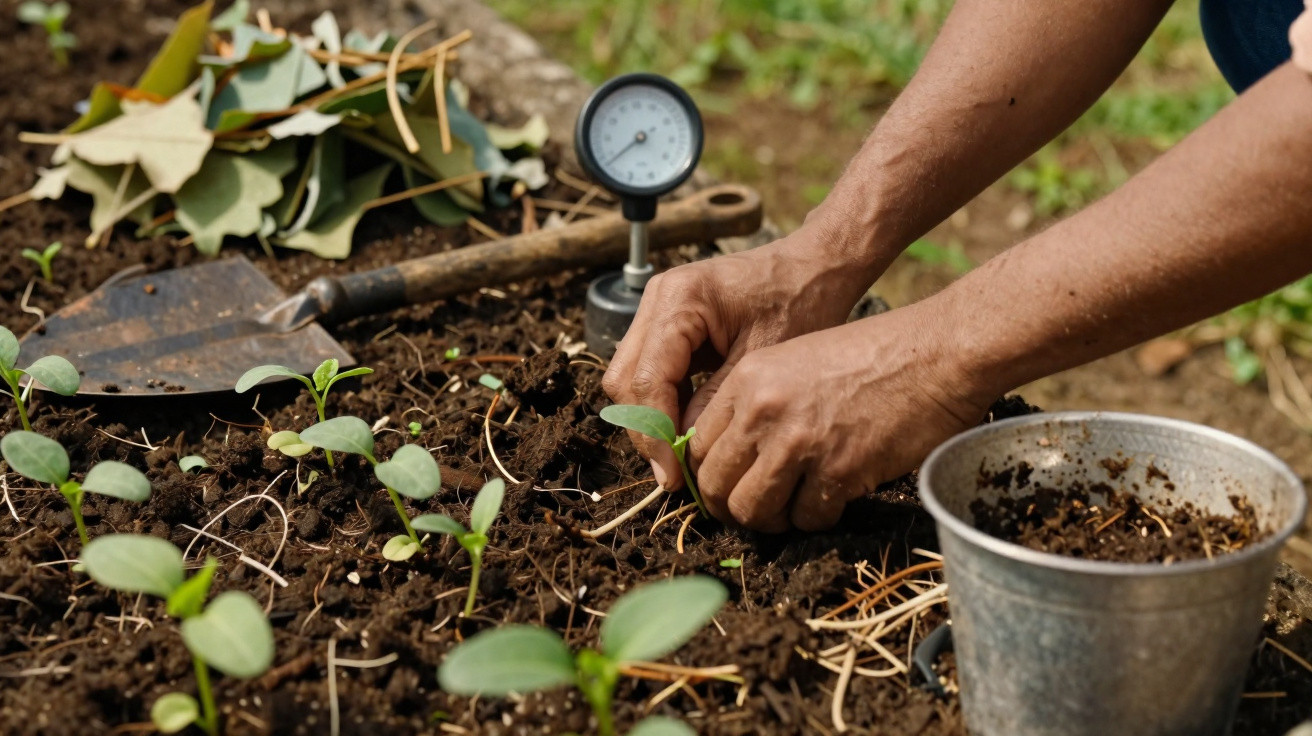
Cut nettles, chop them finely and lay them as mulch around crops. As they rot down, the leaves feed soil organisms and gradually improve the upper soil layer, where vegetable roots mainly search for nutrients. Tomatoes, squashes, leafy greens and brassicas can respond with more vigorous growth, deeper-coloured foliage and greater resistance to stress.
Switching from removal to “cut and drop” turns a nettle patch into a home-grown fertiliser factory.
Nettle mulch also keeps the ground shaded, helping to reduce moisture loss and suppress the germination of other, more troublesome weeds. It delivers three benefits simultaneously: improved fertility, water retention and weed suppression. In winter, chopped nettles added to compost help tougher ingredients break down faster because of their nitrogen levels and soft texture.
How to use nettles without losing control
Allowing nettles to expand without restriction is seldom practical in a small garden. Managing them properly keeps them valuable instead of overpowering. Many seasoned gardeners now:
- Set aside one or two clearly defined corners as “nettle banks”, away from main routes.
- Cut plants several times yearly before they produce seed.
- Turn every harvest into mulch or liquid feed, rather than adding it to green waste.
- Retain a few stems through winter to provide wildlife shelter.
This approach turns nettles from a nuisance into a useful resource while stopping them from moving into beds where they are unwanted.
Nettle liquid feed: the pungent power-up
One preparation that has progressed from folklore to conventional gardening is nettle “tea”, also known as nettle slurry or nettle fertiliser. Garden centres now stock bottled versions, although homemade liquid remains less expensive and more adaptable.
| Ingredient | Quantity | Role |
|---|---|---|
| Fresh nettles (no seeds) | 1 kg | Source of nitrogen, minerals and growth stimulants |
| Rainwater | 10 litres | Softer water helps fermentation and nutrient release |
| Bucket with loose lid | 1 | Container for controlled fermentation |
Roughly chop the nettles, immerse them in water, cover the container without making it airtight, and stir every day. Depending on the temperature, the mixture ferments for one to two weeks. When it no longer bubbles, strain it and dilute the dark liquid to roughly 10 percent strength before using it for watering or spraying.
Used regularly in spring, nettle feed acts as both a tonic and a mild protective shield against disease and pests.
Tomatoes and other nutrient-hungry crops often respond rapidly to this nitrogen-rich feed. After a couple of treatments, foliage frequently becomes greener. Many gardeners also find that treated plants experience less powdery mildew and fewer sap-sucking insects. Since the odour is powerful, most people position the bucket behind a shed or at the furthest end of the plot.
In comparison with synthetic fertilisers, nettle feed supplies trace elements, supports soil life and produces no plastic packaging. In a compact urban garden, one bucket can provide enough tonic for a whole season when renewed every few weeks.
From weed patch to dinner plate
The kitchen adds another dimension to the nettle story. Well before nettles became associated with “messy” gardens, they were important to seasonal cooking throughout Europe. During the lean months at winter’s end, fresh young shoots brought green vegetables to the table before cabbages bolted and fruit trees came into bloom.
The soft top leaves have a notable nutritional composition, containing vitamins A, C and K, plant proteins, calcium, iron and further trace elements. Gram for gram, nettles frequently provide more than many fashionable leafy vegetables. Cooking or blending causes the stinging hairs to collapse, producing a flavour between spinach and sorrel, with a richer earthy quality.
Simple ways to eat nettles safely
Gloves and basic care make foraging a simple task. Pick from clean areas away from busy roads and popular dog-walking places, selecting only the youngest top leaves during early growth. Once home, wash them thoroughly and use them as you would any other leafy vegetable.
- Blend them with nuts, oil and garlic to make a bright green nettle pesto.
- Cook them with potatoes, onions and stock for a thick, warming soup.
- Stir chopped, blanched nettles into omelettes, savoury tarts or pancakes.
- Dry the leaves for herbal tea, commonly valued for its mineral content.
Cooking, drying and blending all reliably remove the sting. Anyone hesitant about wild foraging can begin with a small nettle patch in their own garden, where soil conditions and harvesting methods remain entirely under their control.
Letting nettles reshape the way we garden
Making room for nettles in 2026 reflects a wider worldwide change in gardening. Lawns are becoming smaller, wildlife corridors are increasingly valued, and the strict divide between “ornamental” and “wild” is becoming less meaningful. Nettles sit at the centre of this shift: rough-looking perhaps, but exceptionally generous to insects, soil and people.
Many gardeners who gave up trying to eradicate them have seen wider benefits. They purchase less fertiliser, require fewer pest treatments and devote less time to tackling the signs of ecological imbalance. Beds may appear slightly less pristine, yet the soil has a richer smell, birds visit more frequently and the garden feels livelier. That compromise can seem increasingly worthwhile as energy costs climb and extreme weather puts plants under strain.
Accepting a few unruly corners often does more for garden health than adding another bottle of “problem solver”.
Nettles can also foster a slower gardening rhythm. Rather than insisting that beds remain perpetually ready, you make space for cycles of growth, decay and rest. Fallen stems, late-season seed heads and plants left standing through winter become useful elements of the garden rather than “untidiness to fix”. This outlook can ease the pressure on gardeners already balancing work, family and climate anxiety.
Extra angles: risks, boundaries and creative uses
Naturally, nettles require some caution. Their sting may cause unpleasant reactions in sensitive skin, so gloves and long sleeves are sensible when cutting or gathering them. In gardens with limited space and children, siting nettle patches away from areas where children run barefoot can prevent painful surprises. Anyone taking certain medicines or living with kidney problems should consult a health professional before regularly drinking nettle teas.
Clear boundaries are still essential. In fertile ground, nettles spread through underground stems and may rapidly cover bare soil. Root barriers, regular mowing around the patch and reliably cutting plants before flowering will usually keep them under control. Allotment holders can avoid disagreements about neglect versus intentional habitat by agreeing nettle areas with neighbours.
Once such limits are established, nettles can be used experimentally. Some growers pair them with comfrey in balanced liquid feeds, combining nettle’s nitrogen with comfrey’s potassium. Others dry chopped nettles for homemade poultry feed or to enrich potting compost. Teachers use nettle areas in schools to demonstrate pollinator life cycles and discuss soil health with pupils.
In a decade when gardening is caught between aesthetics, climate pressure and increasing costs, a plant that nourishes soil, aids insects and also provides a free green vegetable appears much less villainous. When that familiar prickly clump next shows up at the back of the plot, the decision need not be limited to “rip it out or ignore it”. It can serve as a purposeful, strategic ally in creating a garden that works with nature rather than against it.





Comments
No comments yet. Be the first to comment!
Leave a Comment