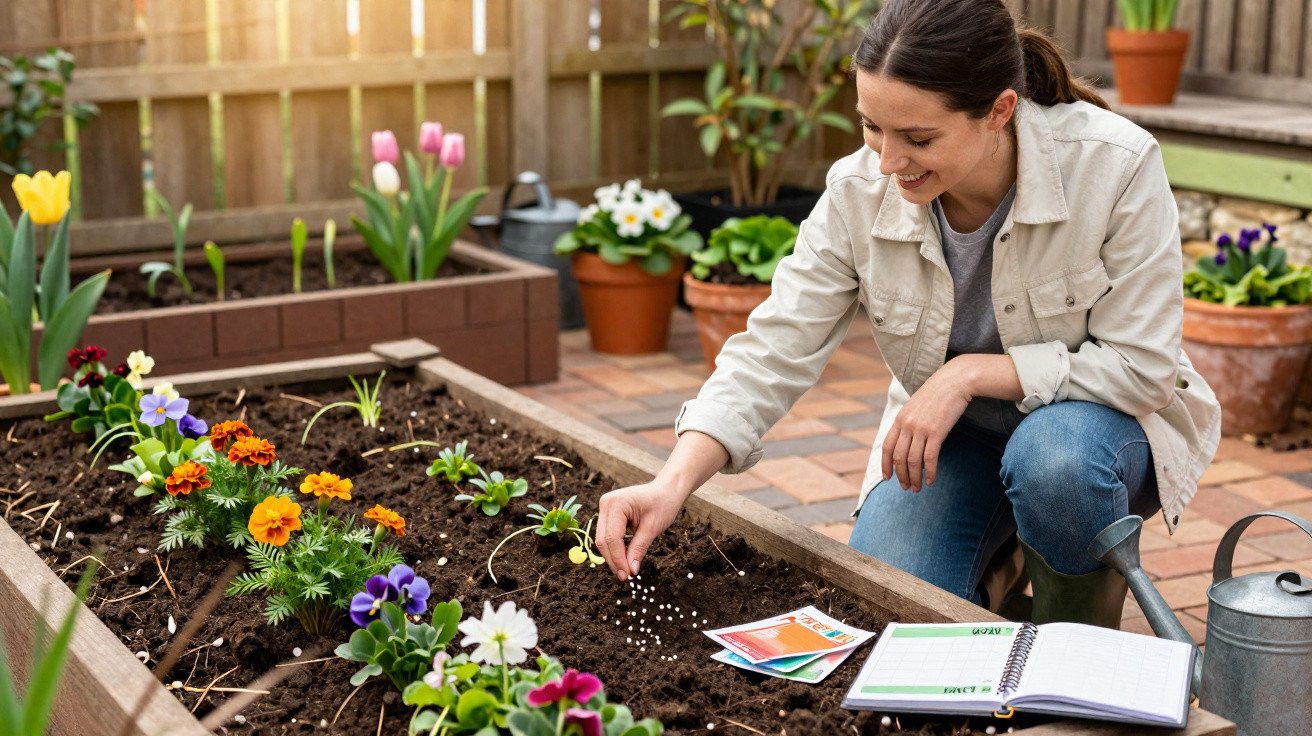
Sow the right seeds now and you can enjoy a remarkably rapid return of colour.
The period between chilly nights and the first March sunshine offers an ideal opportunity. A handful of resilient varieties, plus a little help at the start, will bring your garden to life noticeably sooner – whether in borders, raised beds or balcony pots.
Why March is the starting signal
At this point, soil holds more warmth and the increasing light draws seedlings upwards. In southern England, the last frost often arrives earlier than it does in Scotland. Matching your seeds to local frost dates can save weeks of waiting.
Hardy annuals can be sown directly into borders in many areas. Frost-tender varieties can begin on a windowsill now, then move outdoors once the risk of frost has passed. This brings the first flowers considerably closer.
“Sowing in March combines hardy direct sowing in borders with pre-growing heat-loving plants on the windowsill – creating a ribbon of colour by the end of May in ‘record time’.”
These fast starters bring colour in record time
Hardy flowers to sow outdoors
Pot marigolds (Calendula), cornflowers, love-in-a-mist and Californian poppies cope well with cool soil. They establish reliably even while the nights remain fresh.
- Pot marigold: 55–70 days to flowering; ideal for filling gaps and supporting beneficial insects.
- Cornflower: 60–70 days; clear blue shades and suitable for cutting.
- Love-in-a-mist (Nigella): 60–75 days; delicate foliage and ornamental seed heads.
- Californian poppy (Eschscholzia): 55–65 days; thrives in poor, dry positions.
- Borage: 60–70 days; self-seeds readily and attracts pollinators.
Heat-loving quick bloomers for indoor sowing
Zinnias, French marigolds (Tagetes) and petunias benefit from a warm beginning. Nasturtiums suit either approach: raise them indoors or sow them directly from April/May.
- French marigold (Tagetes): 45–60 days; flowers early and grows well in containers.
- Zinnia: 60–70 days; bold colours and responds well to pinching out.
- Nasturtium: around 60 days; edible flowers and suitable for hanging baskets.
- Petunia: 70–85 days; flowers for a very long time when deadheaded regularly.
- Cosmos: 70–80 days; provides airy height and is ideal for filling gaps after the last frosts.
| Plant | March sowing | Days to flowering (approx.) | Note |
|---|---|---|---|
| Pot marigold | Direct sowing | 55–70 | Good bee-friendly plant, also suitable for pots |
| Cornflower | Direct sowing | 60–70 | Suitable for cutting and sturdy in wind |
| Californian poppy | Direct sowing | 55–65 | Prefers poor, dry soil |
| Tagetes | Start indoors | 45–60 | Suitable for borders and balcony boxes |
| Zinnia | Start indoors | 60–70 | Pinch out after planting out |
| Nasturtium | Start indoors or direct sowing | ~60 | Edible leaves and flowers |
| Petunia | Start indoors | 70–85 | Long flowering period; deadhead consistently |
March routine for a fast start
Speed depends on more than variety selection. A simple routine encourages seedlings and keeps them growing steadily.
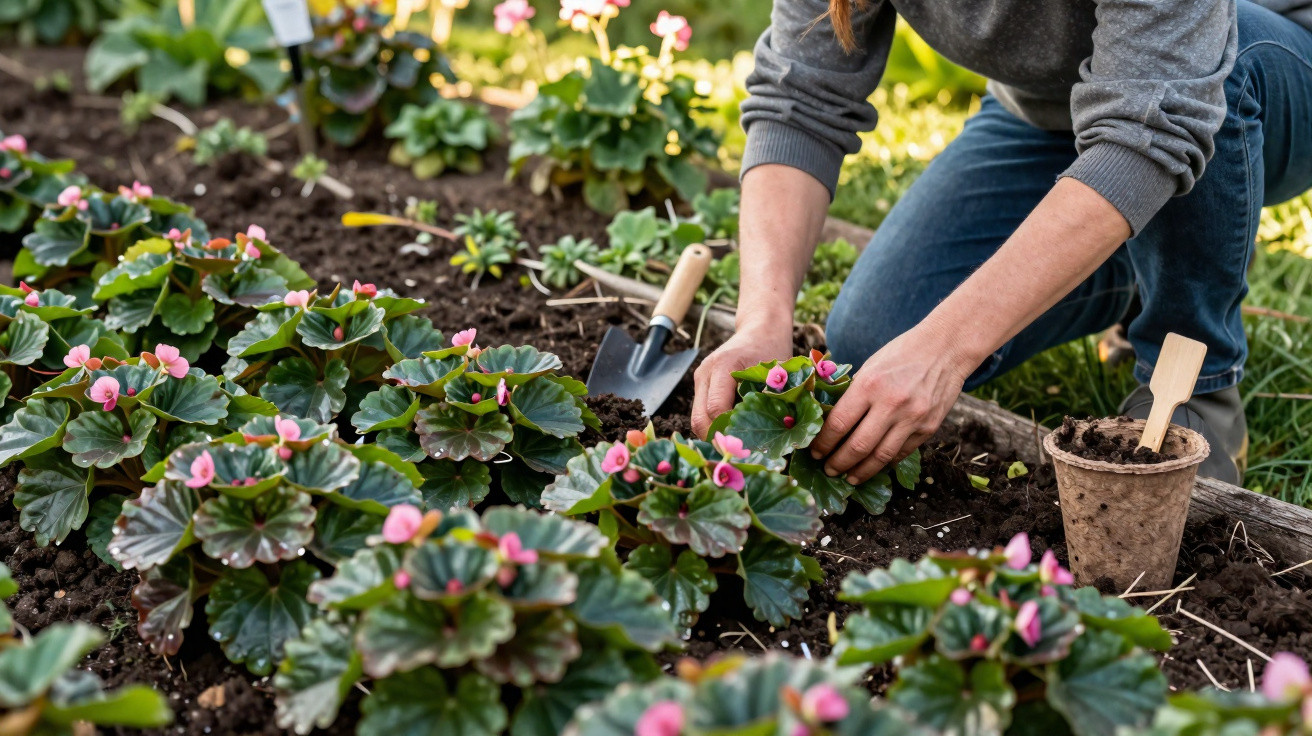
- Choose the site: Allow at least six hours of sunshine daily; select a sheltered, well-drained spot.
- Activate the soil: Work in 2–3 cm of mature compost and keep the soil crumbly.
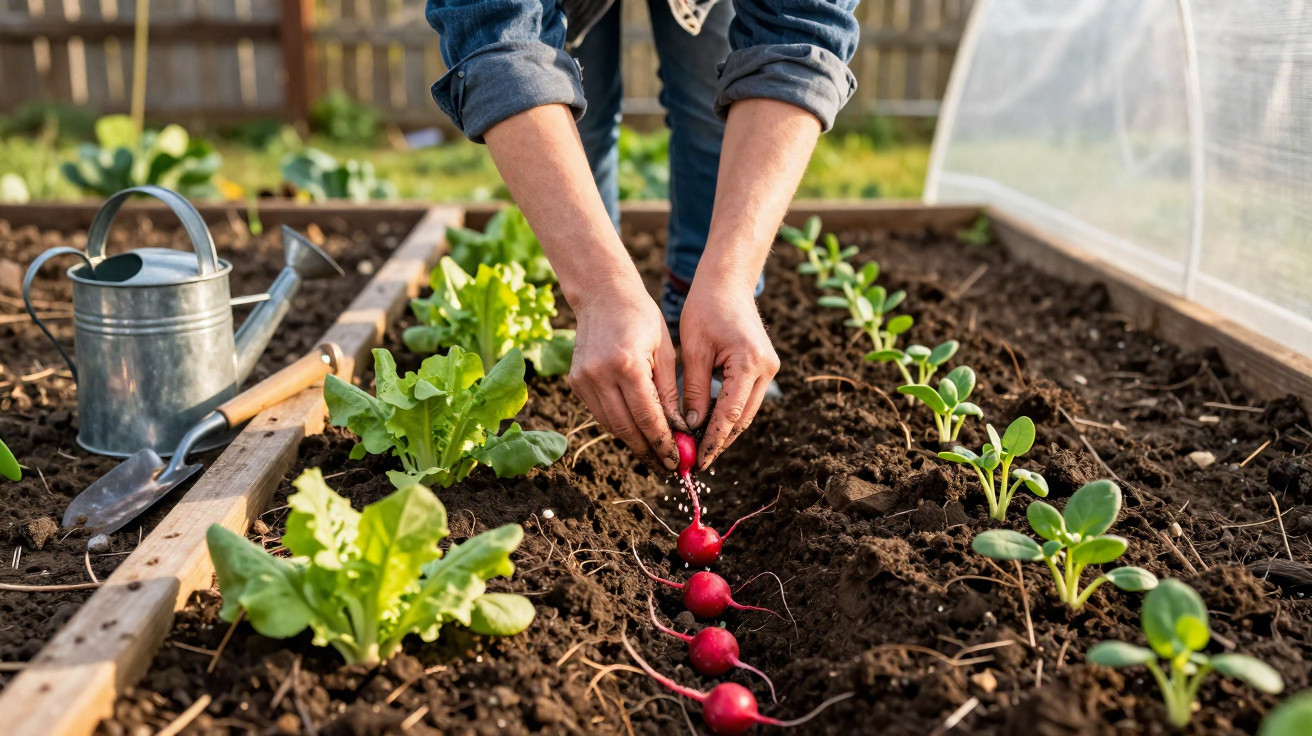
- Sow directly and shallowly: Usually 0.5–1 cm deep; firm seed drills gently and water with a fine spray.
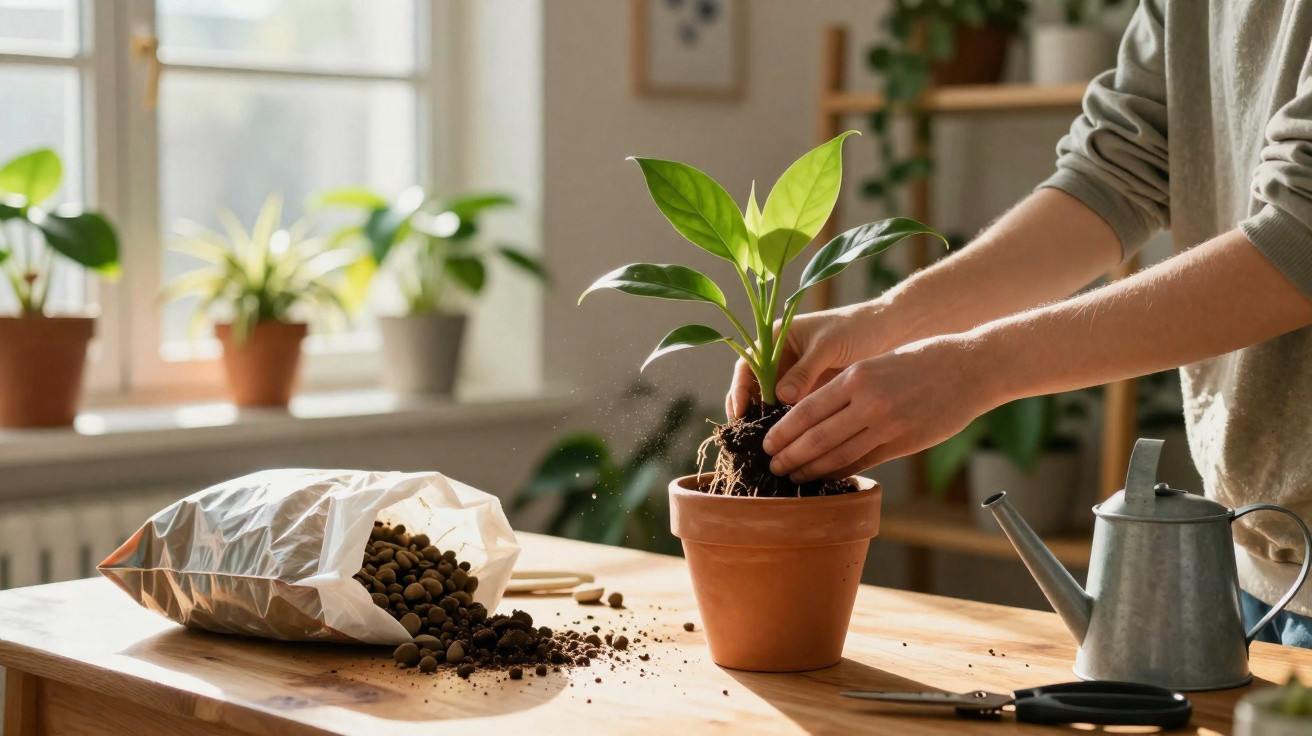
- Start indoors with light and mild warmth: Keep at 16–20 °C, provide plenty of light and avoid waterlogged roots.
- Prick out and thin seedlings: Create space, light and air so shoots do not become leggy.
- Harden off: Acclimatise plants to outdoor conditions for 7–10 days before planting out.
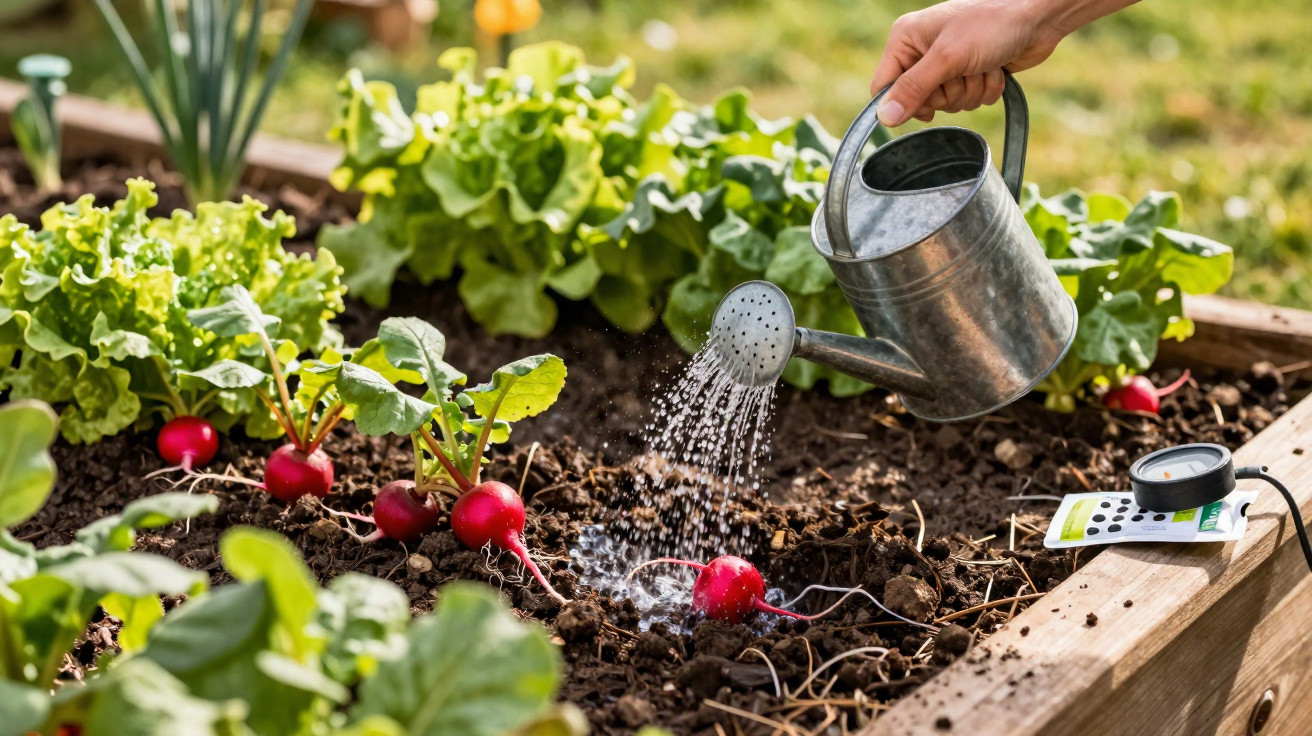
- Water as required: Keep compost evenly moist during germination, then water deeply but less often.
- Use nutrients sparingly: Apply liquid feed if growth stalls; otherwise, avoid overfeeding.
- Deadhead: Remove faded flowers every week to encourage fresh buds.
“Double the pace by sowing two batches: one now and another 2–3 weeks later. This keeps the flowers coming without a break into summer.”
Strategy for borders, containers and balconies
In borders, combine dependable structural plants with a spreading carpet of colour. Cornflowers and cosmos create height, while pot marigolds and Californian poppies fill bare spaces. Nigella adds fine texture between them.
For containers, follow the rule of three: choose one variety for height (cosmos, zinnia), one for fullness (Tagetes, petunia), and one for the edge or trailing habit (nasturtium). Lightweight pots measuring 30–40 cm deep provide sufficient root space and warm up more quickly.
- Fast colour pairing: Orange pot marigolds with blue cornflowers look vibrant and fresh.
- Scent and usefulness: Borage beside nasturtiums attracts pollinators while providing edible flowers.
- Low-maintenance option: Californian poppies in sunny, dry corners reduce the need for watering-can trips.
Improve flowering performance with small adjustments
Timing and cutting
Pinching out zinnias and cosmos after the fourth pair of leaves encourages branching and produces more stems. Cut flowers for a vase once a week. In response, the plants form new buds.
Watch for frost and slugs
Late cold snaps can cost weeks of progress. Horticultural fleece, cloches or simple plastic sheeting over hoops will protect direct-sown seeds. Ventilate during the day to prevent mould.
Young seedlings appeal to slugs. Beer traps, copper tape around pots and iron(III) phosphate pellets offer protection without residues. Water in the evening so slugs have less incentive in the early evening.
What “hardy” and “half-hardy” mean in the garden
Hardy describes annuals that tolerate cool nights and light frosts. These varieties can go into prepared borders in March. Half-hardy refers to plants that do not tolerate frost. Grow these indoors now, move them outside after the last frost dates, and they will take off with stored energy.
What the fast colour plan looks like in practice
If you sow cornflowers, pot marigolds and Californian poppies directly in southern England on 15 March, suitable weather should bring the first flowers from mid to late May. At the same time, start Tagetes and zinnias indoors, then move them outside after the last frosts, typically in mid-May; they will flower from June. A second sowing at the beginning of April often extends the display until September.
A small extra tip for beginners: mix fine seed with sand before sowing to spread it more evenly. Labels showing the variety and date prevent guesswork during aftercare.
To support pollinators deliberately, choose simple, single flowers. These varieties provide nectar and pollen, improve harvests in the vegetable garden and keep the carpet of colour alive.





Comments
No comments yet. Be the first to comment!
Leave a Comment