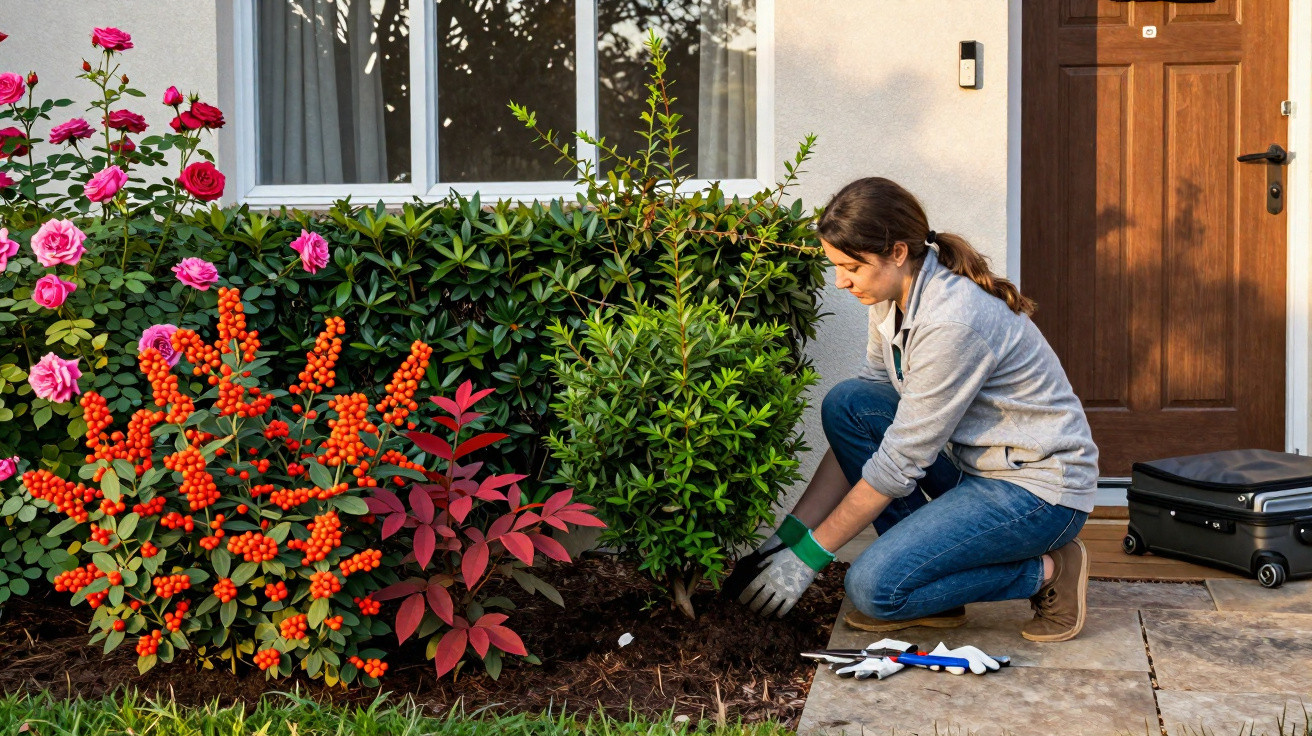
A simple gardening measure can make a considerable difference here.
While many people think first of burglar alarms, smart-home cameras or security doors, one area is often underestimated: the garden. Planted thoughtfully, it can become an awkward obstacle course for burglars – not through concrete walls or barbed wire, but with carefully positioned, highly defensive plants.
Why thorny plants genuinely deter burglars
A burglar will usually look for a target that is quick and quiet: an easily reached window, a garden hidden from view, or a fence that is simple to climb. Anything that creates noise, takes time or may cause injury acts as a natural filter.
“The more unpleasant the access, the less attractive the property becomes to opportunistic offenders.”
Dense, heavily thorned hedges can do precisely that. They:
- slow progress
- cause scratches and minor injuries
- force noisy movement through the foliage
- leave visible marks on clothing or skin
Combined with crunching gravel underfoot, they create a kind of passive early-warning system. Every footstep stands out and every movement can be heard. Security advisers have long reported that carefully planned planting can significantly reduce the opportunities for burglary.
Plants are not, however, a replacement for an alarm system or a high-quality lock cylinder. They provide an additional, discreet layer of protection. Letting shrubs become overgrown can even have the opposite effect: tall, neglected bushes create ideal hiding places. One principle is therefore essential: retain clear sightlines, prune regularly and avoid potential climbing aids.
The four most effective “defensive plants” around the home
Four species in particular have proved practical in everyday settings and can fit well into ornamental gardens. They may look harmless, but they can make access thoroughly unpleasant for burglars.
Pyracantha: the exceptionally thorny firethorn
Pyracantha, commonly known as firethorn, is a classic choice for security planting. This shrub forms a dense tangle of branches covered in hard, long thorns.
- Best position: as a hedge along a fence or immediately beneath lower windows
- Spacing: around 50 to 70 centimetres between plants
- Height: 1.5 to 2 metres with regular maintenance
Its thorns can easily pierce thin clothing. Anyone trying to force their way through a firethorn risks highly visible scratches. At the same time, its autumn berries are decorative and provide food for birds.
Barberry: a compact thorn barrier for side passages
Barberry grows in a compact, dense form. Even one shrub can effectively block a narrow route. Its many small thorns are set so closely together that there is barely a gap.
Typical locations include:
- side passages between the house and a neighbouring property
- narrow routes behind garages
- concealed approaches to patios
Anyone attempting to pass through must either crouch low or push through the thicket. That takes time, makes noise and, above all, hurts. Many varieties can also add visual interest to the garden, including those with reddish foliage.
Rosa rugosa: the robust, heavily thorned shrub rose classic
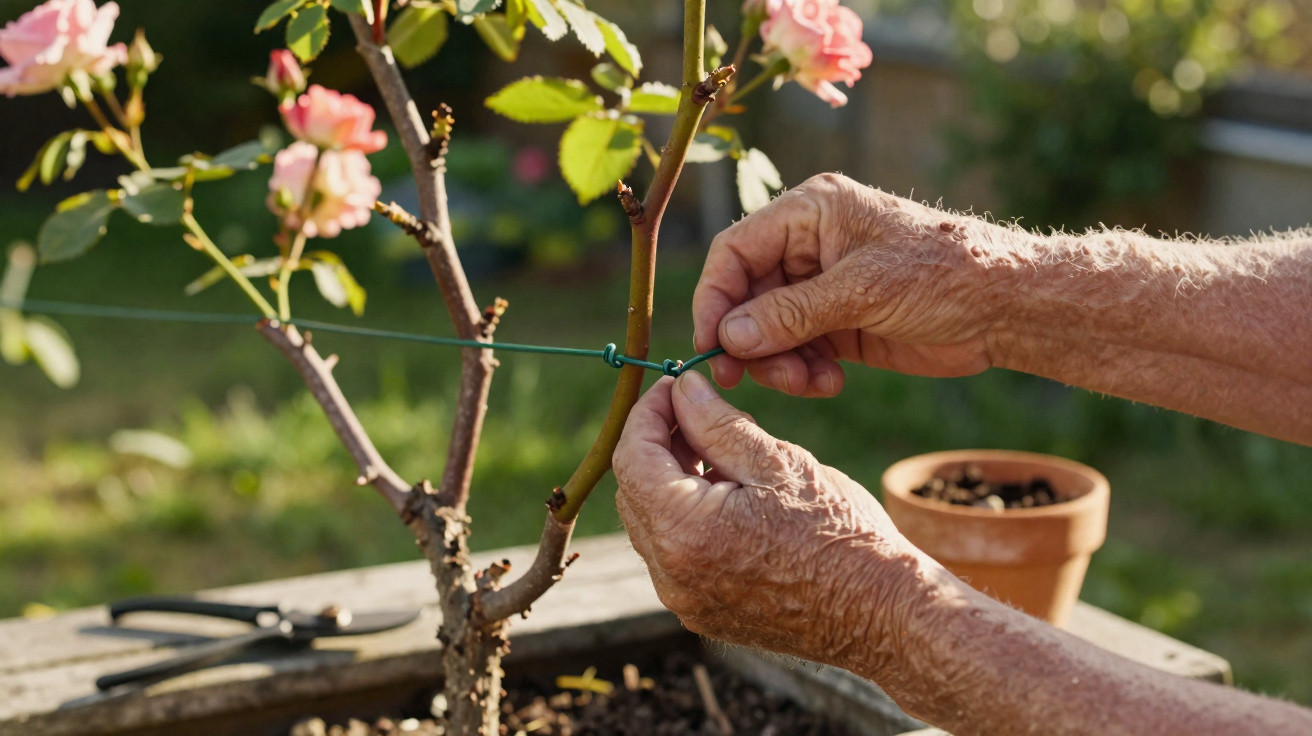
Rosa rugosa, often called Japanese rose or rugosa rose, is far wilder and more defensive than many hybrid roses planted in front gardens. Its stems carry numerous strong thorns packed closely together.
A broad band of this rose beneath easily accessible ground-floor windows is particularly useful. Burglars do not welcome thorns directly in front of an entry point because they severely restrict movement when climbing in and out.
Rosa rugosa also offers richly coloured flowers and attractive rose hips. Many homeowners underestimate how effectively it can combine appearance and security.
Cherry laurel: evergreen screening with added security
Cherry laurel has very few thorns, but it is effective because it forms a dense, evergreen wall. It blocks views from the street and makes it harder to assess what lies beyond the boundary.
A thick strip of cherry laurel can be useful in front of large patio windows or full-height glazed doors in particular. If someone outside cannot clearly tell whether anybody is at home, they may spend longer reconsidering whether an attempted break-in is worthwhile.
“The combination of screening and thorny areas creates the maximum level of uncertainty for offenders.”
How to position plants without spoiling the garden
Nobody wants to turn their property into a fortress. A coherent plan can improve security without making the garden look like a high-security site.
One possible layout is:
- Street-facing side: low to medium-height cherry laurel, with a layer of gravel at ground level to make footsteps audible.
- Side boundaries: a dense firethorn or barberry hedge, using a planting distance of around 50 to 70 centimetres.
- Below vulnerable windows: a broad strip of Rosa rugosa, planted so that climbing through it is not comfortable.
- Main entrance to the house: a gravel path combined with motion sensors on the lights.
It remains important not to conceal the entrance completely. The front door should still be visible from the street, allowing neighbours to notice unusual activity.
Keep legal distances and safety risks in mind
Anyone planning hedges must observe the rules governing neighbouring properties. In many areas, the following general principles apply:
| Hedge height | Minimum distance from the property boundary* |
|---|---|
| Up to 2 metres | Around 50 centimetres |
| Over 2 metres | Usually 2 metres |
*The exact figures may vary by region and local authority. If in doubt, it is worth checking the local requirements.
Very thorny plants should not be placed close to play areas, swimming pools or heavily used paths. Otherwise, children, pets and visitors could be the ones affected. Leave a sensible safety gap around seating areas, sandpits and barbecue spaces.
Maintenance, technology and common mistakes
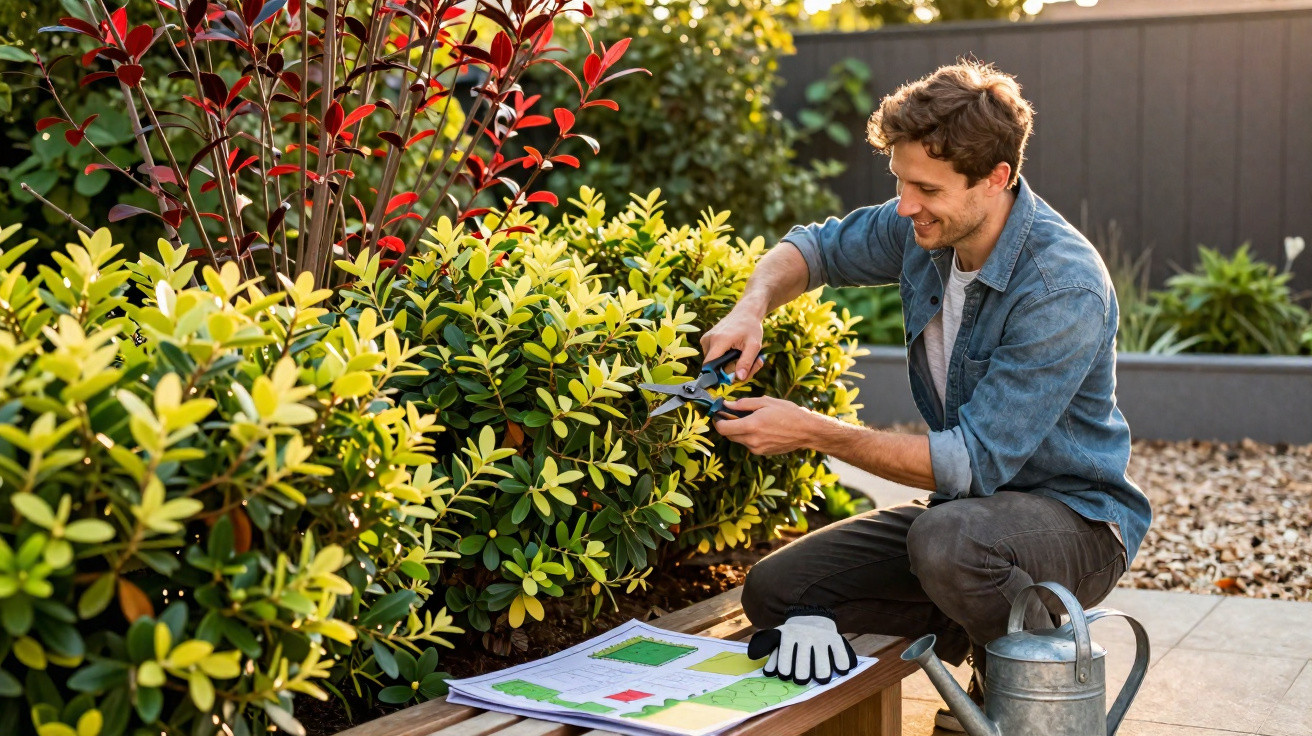
The green barrier needs some attention if it is to work properly. One or two thorough pruning sessions each year are usually enough to keep hedges dense without allowing them to form dark hiding places.
One frequent mistake is allowing hedges to become too tall and wide, completely obscuring windows. This not only reduces daylight but also creates a sheltered area behind the greenery where offenders can work on a window undisturbed. A better option is a height that makes entry more difficult while still allowing views from outside.
Planting works best alongside technology:
- motion sensors that illuminate paths and shrubs at night
- clearly visible, robust exterior lighting at entrance doors
- lockable window handles and tested fittings on the ground floor
Avoiding the display of expensive barbecues, e-bikes or designer ornaments in the front garden sends an equally clear message: this house is neither easy to access nor anonymous.
Practical examples and further tips for better security
A classic example is a terraced house with a narrow side access. Just two or three barberry shrubs can be enough to make the passage so unpleasant that many burglars give up. Add gravel to the route and a motion-sensor light, and the side passage becomes a trap for unwelcome visitors.
For detached homes with a large patio, a mixed approach has proved effective: cherry laurel provides screening from the pavement, while individual, deliberately placed firethorn or Rosa rugosa shrubs protect potential entry points. This keeps the view from the living room pleasant while discreetly making a possible access route more difficult.
Anyone without previous experience of heavily thorned plants should wear gloves with forearm protection and choose sturdy clothing when planting. Many gardeners underestimate the force of the thorns during pruning.
It is also sensible to inform neighbours. When it is clear that a garden has deliberately been designed as a defensive area, unfamiliar activity is more likely to be noticed. Combined with a watchful neighbourhood, the four plant types are most effective – without an aggressive-looking fence, but with a garden that remains attractive while quietly doing its job whenever the family goes on holiday.






Comments
No comments yet. Be the first to comment!
Leave a Comment