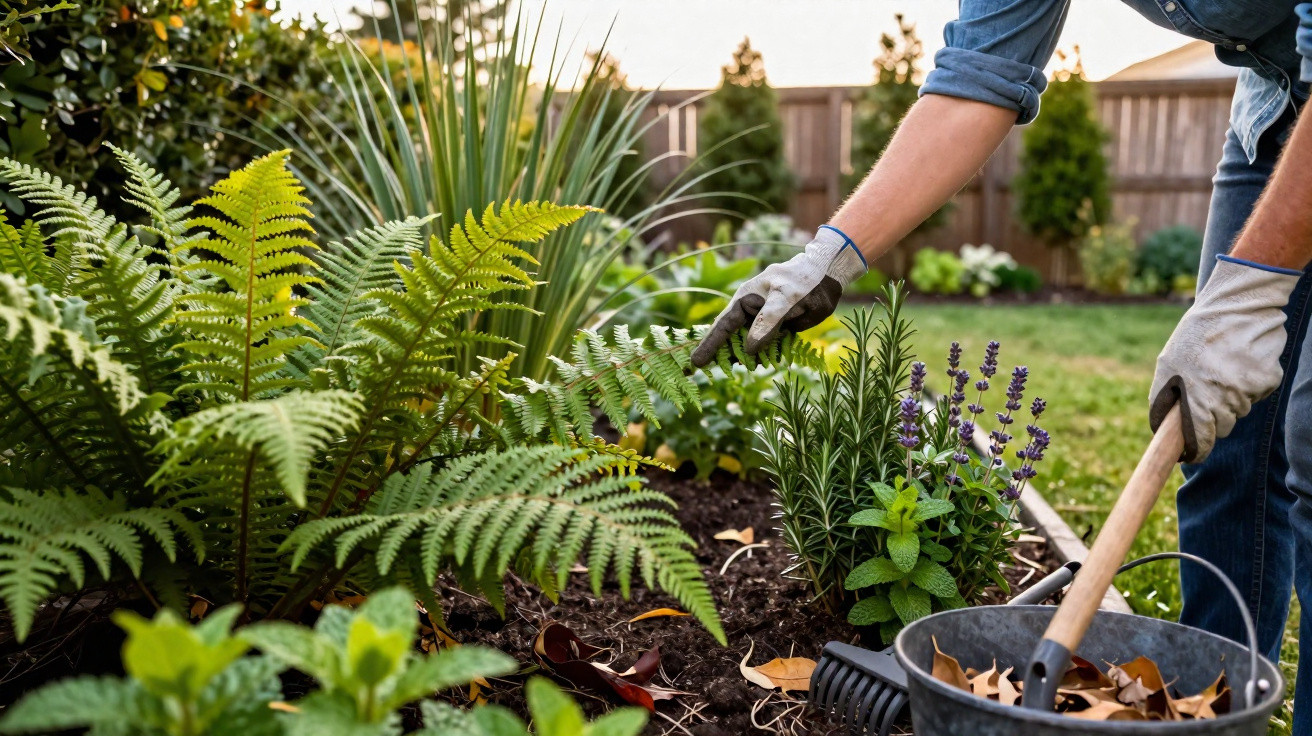
An invisible danger can lurk in your own garden, turning walks outdoors and children’s play into a potential health risk.
Ticks do not only thrive in woodland and meadows; they can also be found in ordinary back gardens. Certain plants, neglected corners and gardening habits can make a plot highly appealing to ticks. Knowing where these blood-feeders hide and which planting schemes favour them can greatly reduce the risk, without turning the garden into a barren expanse of stone.
Where ticks really wait in the garden
Many people assume ticks drop from trees, but this is untrue. They wait close to the ground, usually at heights of up to around 1.5 metres, then cling to anything passing by, whether a person, dog, cat or wild animal.
Ticks favour damp, shaded and densely planted places where the ground rarely dries out.
Common tick hotspots in the garden include:
- tall, unmown grass and wild plants
- thick shrubs and hedges with little airflow
- piles of leaves and brushwood
- boundaries next to woodland, fields or meadows
- play and seating areas positioned close to shrubs or bushes
- wood piles, compost heaps and shelters in shaded spots
- damp areas with standing water, ponds or marshy ground
These plants can turn your garden into a tick magnet
Not every plant attracts ticks directly, but some create precisely the conditions these parasites favour: shade, moisture and poor ventilation. Dense planting close to the ground is particularly likely to provide ticks with a suitable habitat.
Ferns, grasses and overgrown areas
Ferns may look decorative, yet they often form enclosed, damp pockets.
- Ferns: These flourish in partial shade or full shade, retain moisture and grow in dense clumps, making them an ideal hiding place.
- Tall grass: Unmown lawn sections and wildflower meadows give ticks a route straight on to trouser legs and animal fur.
- Uncut grass along fences: Margins beside paths or hedges are especially typical tick zones.
Dense shrubs, berry bushes and hedges
Shrubs are not inherently a problem; their structure is what matters. The denser, more branched and lower to the ground they are, the more appealing they become to ticks.
- Dense ornamental shrubs: Dark lilac and similarly vigorous varieties can create shaded spaces with high humidity.
- Bramble thickets: Sprawling, impenetrable blackberry canes with plentiful leaves and old branches are classic tick territory.
- Hedges: This is especially true when they are thick right down to ground level and fallen leaves are left beneath them.
Conifers and evergreen areas
Conifers may appear neat and orderly, but they provide lasting shelter from sunlight.
- Spruces and firs: Old needles and leaf litter collect beneath them, while the ground remains cool and damp.
- Dense conifer hedges: Thuja and similar plants block the wind, producing a moist, shaded microclimate underneath.
Fruit trees and layers of fallen leaves
Fruit trees do not attract ticks directly, but they combine several relevant factors:
- fallen leaves often remain in place and build up into thick layers
- windfall fruit attracts mice and other small animals, which are frequent tick hosts
- the soil beneath the canopy is often shaded and cool
Piles of leaves, stacks of branches and forgotten heaps of brushwood are like miniature holiday resorts for ticks: sheltered, damp and full of hosts.
Which plants naturally keep ticks away
There is no need to cover the garden in concrete to reduce ticks. Some plants may deter them, mainly through essential oils and powerful scents. They are no replacement for vaccination or long clothing, but can help create an environment that is less welcoming to ticks.
Aromatic herbs with a deterrent effect
Herbs with an intense fragrance are particularly suitable:
- Rosemary: Prefers sun and dry soil, making it ideal for edging beds or growing in pots beside the patio.
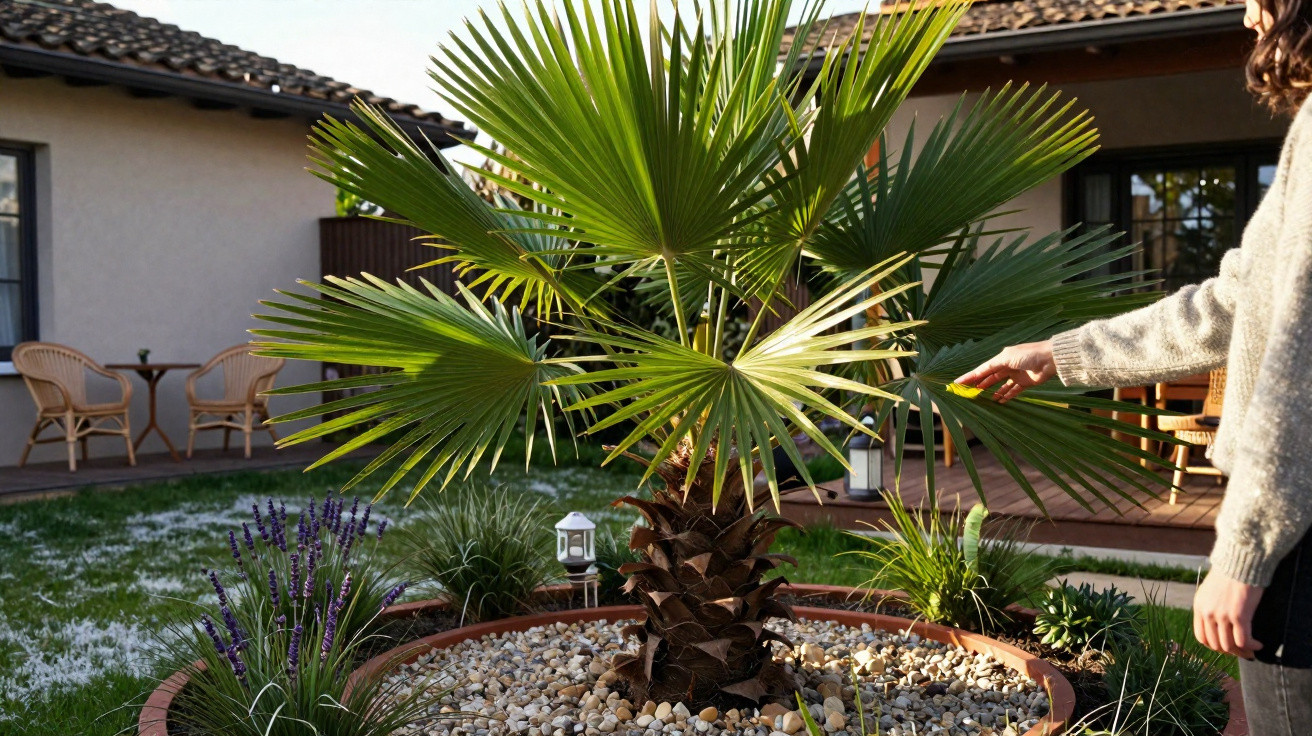
- Lavender: Loves dry, sunny positions and attracts insects such as bees, whereas ticks tend not to favour it.
- Lemon balm: Gives off a fresh lemon scent and can be used as a tea or culinary herb.
- Thyme: A ground-cover plant for sunny, dry areas that works perfectly between stepping stones.
- Wormwood (absinthe): Contains bitter compounds and essential oils that repel many insects.
- Lemon-scented geranium: Useful in containers on a balcony or patio, particularly around seating areas.
How to use these plants effectively
Thoughtful positioning matters more than placing a single herb pot in a corner. Useful options include:
- herb beds running alongside paths and entrances
- lavender hedges at the edges of patios
- fragrant herbs beside seating groups and lounging areas
- strongly scented container plants immediately next to chairs, sun loungers or children’s play equipment
Garden care: measures that deter ticks
A few regular routines can substantially lower the tick risk without making the garden feel sterile.
Garden maintenance that genuinely helps
- Mow the lawn regularly: Short grass gives ticks less to cling to and dries more quickly.
- Clear leaves and pruning waste: Do not leave thick layers behind, particularly in autumn.
- Thin out shrubs: Let light and air reach beneath bushes, and prevent branches from touching the ground.
- Store wood piles in sunny, dry locations: Keep them away from the patio and play equipment.
- Improve damp hollows: Reduce standing water and create paths using gravel or bark mulch.
The drier, airier and sunnier an area is, the less attractive it is to ticks.
Straightforward everyday protection in the garden
Anyone who spends a lot of time gardening or allows children to play outside should also use personal protection.
- wear long, preferably light-coloured clothing, as ticks are easier to spot on it
- tuck trouser legs into socks, especially when walking through tall grass
- for intensive gardening, wrap wide adhesive tape around trouser legs with the sticky side facing outwards
- thoroughly check the body and clothing after spending time outdoors
- inspect pets for ticks regularly and use preventive treatment
Tick bite – what to do next?
Ticks are arachnids rather than insects. They are usually no larger than an apple seed and have a flat, oval body that ranges from brownish to reddish. After feeding on blood, they swell noticeably.
After a bite, speed is particularly important:
- grasp the tick as close to the skin as possible using a tick card or tick tweezers
- pull it out slowly and evenly; do not twist or squeeze it
- disinfect the bite site and monitor the skin over the following days
- seek medical advice if redness, a ring-shaped rash, fever or flu-like symptoms develop
Why ticks find gardens so attractive
Ticks primarily seek moisture and hosts. Gardens provide both: watering, ponds and shaded areas, together with people, dogs, cats, hedgehogs, mice and birds. These factors are especially likely to coincide around the edges of a property, where a garden meets a meadow or woodland.
Dividing the plot roughly into zones can make planning easier: keep a more natural, slightly wilder section at the boundary, where people spend less time, and maintain a tidier, drier area around patios, seating spaces and play equipment. Ferns and brambles can grow in the wilder corner, while areas near children are better suited to lavender, rosemary and closely mown grass.
Practical combinations for fewer ticks every day
A combination of planting, garden care and personal protection is especially effective. A low-tick family garden could include:
- closely mown lawn around swings, sandpits and sun loungers
- strips of lavender or herbs forming a transition to taller planting
- wood piles and compost positioned as far as possible from seating and play areas
- clearly defined paths made from gravel, paving slabs or bark mulch through taller planting
- one clear rule: after playing in the garden, carry out a quick tick check, like brushing teeth but for the skin
Following these steps removes the ideal habitat for ticks without sacrificing a green, lively garden. The garden remains natural, but not at the expense of health.








Comments
No comments yet. Be the first to comment!
Leave a Comment