
Winter has passed, the grass looks tired, moss is spreading and looking out at the garden is becoming frustrating. Even so, it is worth resisting the urge to schedule the first cut simply by the calendar. An unassuming yellow flowering shrub offers a far more reliable indication of when the lawn is ready for its first spring treatment – and of how the green space can also become a small haven for insects.
Why the timing of the first lawn cut in spring matters so much
In early spring, the most important activity in a lawn happens below ground. Grass plants are rebuilding their roots, storing energy and strengthening their root network. At this point, the lawn needs to be left undisturbed.
“Mowing very early forces the lawn to put its newly available energy into fresh blades rather than strong roots – and that causes problems in summer.”
Cutting too soon can result in:
- a lawn that is less resilient during dry spells,
- bare patches and moss spreading more easily,
- diseases and fungal infections taking hold more readily,
- an overall thinner, paler-looking surface.
For this reason, experts advise against judging conditions solely by warm afternoons. Night-time temperatures are even more significant: if they remain above around 4°C for several consecutive days, soil biology slowly begins to reactivate. Grass starts growing noticeably once the soil reaches roughly 6°C. Before then, mowing achieves very little beyond extra work and stress for the plants.
The yellow shrub as a natural starting signal: forsythia in bloom
Gardeners often use a straightforward guide that requires no thermometer: they watch for forsythia flowering. One of the garden's earliest signs of spring, this shrub signals with its vivid yellow blooms that plant growth is properly getting under way.
“When the forsythia in your own garden or nearby is in full flower, it is a strong sign that the first lawn cut can be planned – provided the weather is suitable.”
A little preparation before the first cut is worthwhile:
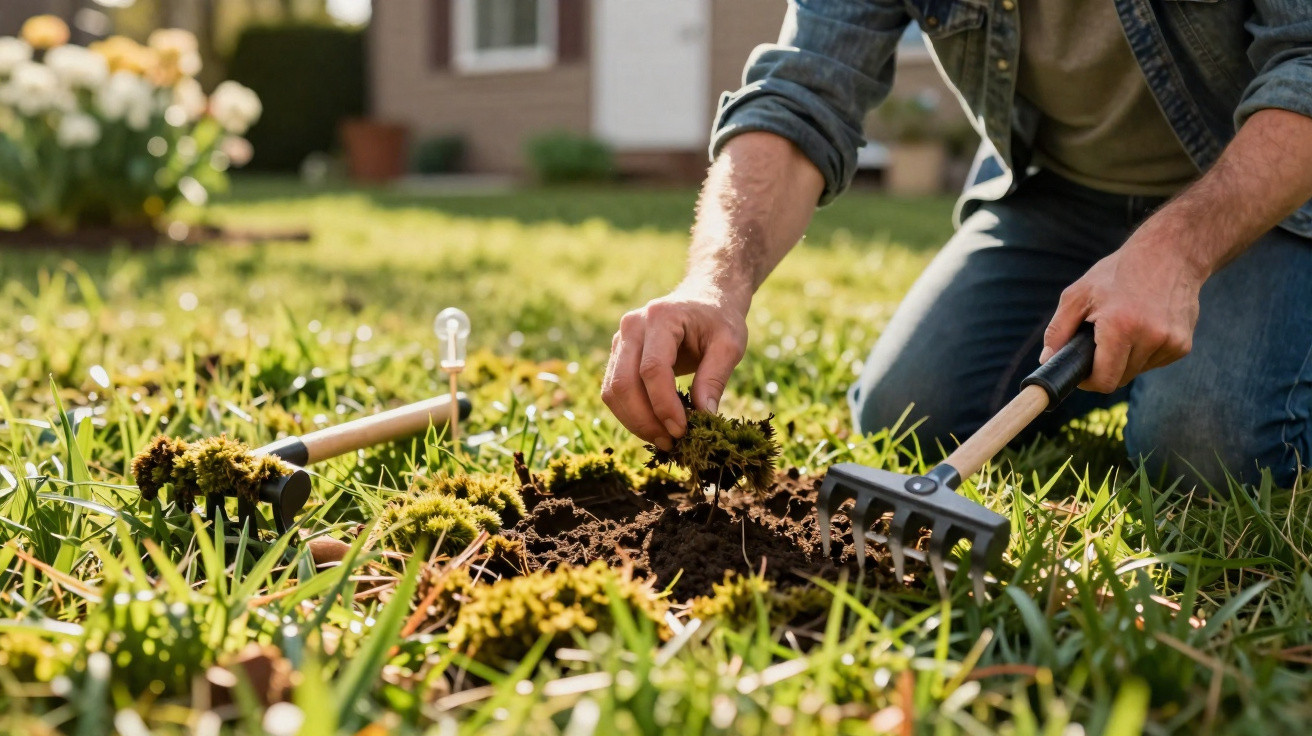
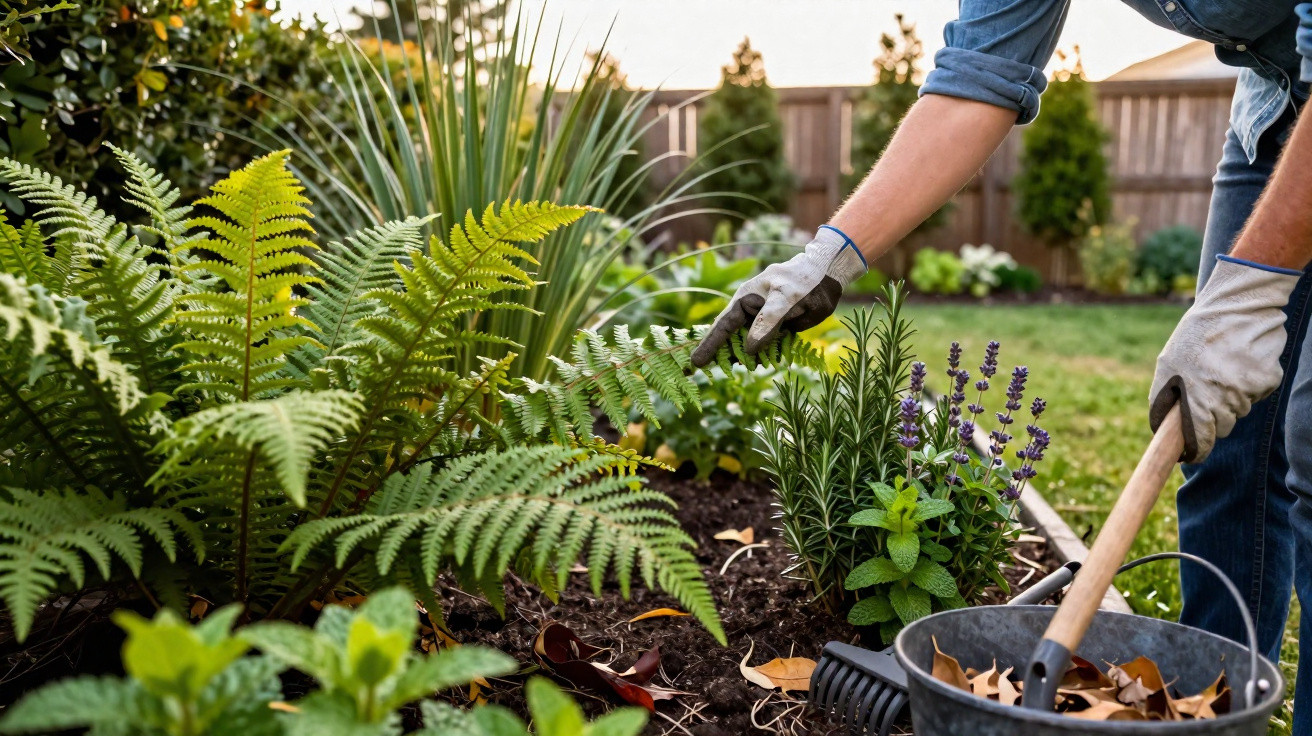
- rake away leaves, twigs and dead plant matter,
- carefully loosen any cushions of moss,
- allow the lawn to dry briefly, until the blades are no longer soaking wet.
Set the mower to a high cutting height for this first pass. A professional rule of thumb is never to remove more than one third of the blade length at once. This leaves sufficient leaf area for the grass to photosynthesise and build up fresh energy.
Checklist: how to spot the right time
If you are unsure, use these signs as a guide:
- the forsythia has lots of yellow flowers rather than just a few buds;
- no frost is forecast over the next few days and the nights feel mild;
- the ground is no longer muddy and boots barely sink in;
- the grass is visibly taller, springy and a rich green.
When these signs occur together, there is no reason to delay the first run with the mower. It is best to mow around delicate bulb plants such as crocuses, daffodils and tulips while their leaves are still green. This enables the bulbs to store energy for the following year.
Cutting the lawn without creating a bare carpet: a gentle approach rather than a drastic cut
For the first mow after winter, restraint is better than an aggressive trim. Setting the cutting height too low damages the lawn in two ways at once.
| Setting | Effect on the lawn |
|---|---|
| Very low (below 3 cm) | Stresses grass plants, allows the soil to dry out faster, and benefits moss and weeds |
| Medium (around 4–5 cm) | A good compromise for a lawn used by children and families |
| Slightly higher (5–6 cm) | Ideal for sunny, dry positions and insect-friendly gardens |
A sharp blade is equally important. Blunt mower blades tear grass rather than cutting it cleanly. The tips become frayed, turn yellow and provide an easy route for pathogens. Having the mower serviced once a year, or sharpening the blade yourself, avoids many problems.
No Mow May: why mowing less benefits the garden
In recent years, a movement against the perfectly manicured lawn has emerged. Under the banner of “No Mow May” – meaning no mowing in May – many householders deliberately allow parts of their gardens to grow. The idea originated in the United Kingdom and is gaining more supporters elsewhere too.
“Some people now keep only paths and seating areas short, leaving the rest as a relaxed meadow – it saves work and brings plenty of life into the garden.”
The reason is that many insect species depend on flowers for food. Especially in spring, inconspicuous wild plants in lawns, including dandelions, are often the first dependable “filling station” for bees, bumblebees and hoverflies. Removing every yellow flower immediately takes away this early support.
Garden organisations therefore advise leaving at least individual patches of dandelions and other flowers untouched. Studies have shown a marked decline in many insect species for years. At the same time, around nine out of ten native flowering plants rely on pollinators. A garden where the lawn is not trimmed to millimetre precision everywhere can make a noticeable contribution.
Combining lawn care with insect protection
Starting lawn cutting later does not mean the garden has to look untidy. A clear layout can retain a well-kept appearance while allowing part of the area to grow more freely.
- closely mown paths leading to the patio, shed or vegetable patch,
- taller areas along boundaries or beneath trees,
- small flowering islands in the middle of the lawn, marked with stones or decorations,
- mowing the “wild” sections no more than every two to four weeks.
This creates an appealing combination: a practical family lawn where people want to walk, play or lie down, alongside varied, flower-rich areas for solitary bees, butterflies and beetles.
How the right spring start shapes the summer
Anyone who shows a little patience in spring and waits for the yellow flowering shrub to give the signal will benefit throughout the season. A well-developed root system draws water from deeper soil layers, the lawn copes better with periods of heat and is less likely to develop bare areas. Keeping the grass slightly longer also reduces how often watering is needed, as the soil receives more shade.
Many lawn issues that become apparent in high summer – drought damage, patches, moss and fungal attack – begin with the wrong start to the season. Once this is understood, a few simple steps can help: delay the first lawn cut, avoid mowing too short, use a sharp blade, apply occasional fertiliser and overseed thin areas when necessary.
For newcomers to gardening, the terms are worth distinguishing: a “lawn” generally means a maintained grass area that is cut regularly, while a “meadow” describes a more colourful mix of grasses and wildflowers that is cut less often. Many modern gardens now combine both. At a time of hot summers and declining insect numbers, this middle ground is practical: it provides room to play, looks tidy and supports biodiversity right outside the door.





Comments
No comments yet. Be the first to comment!
Leave a Comment