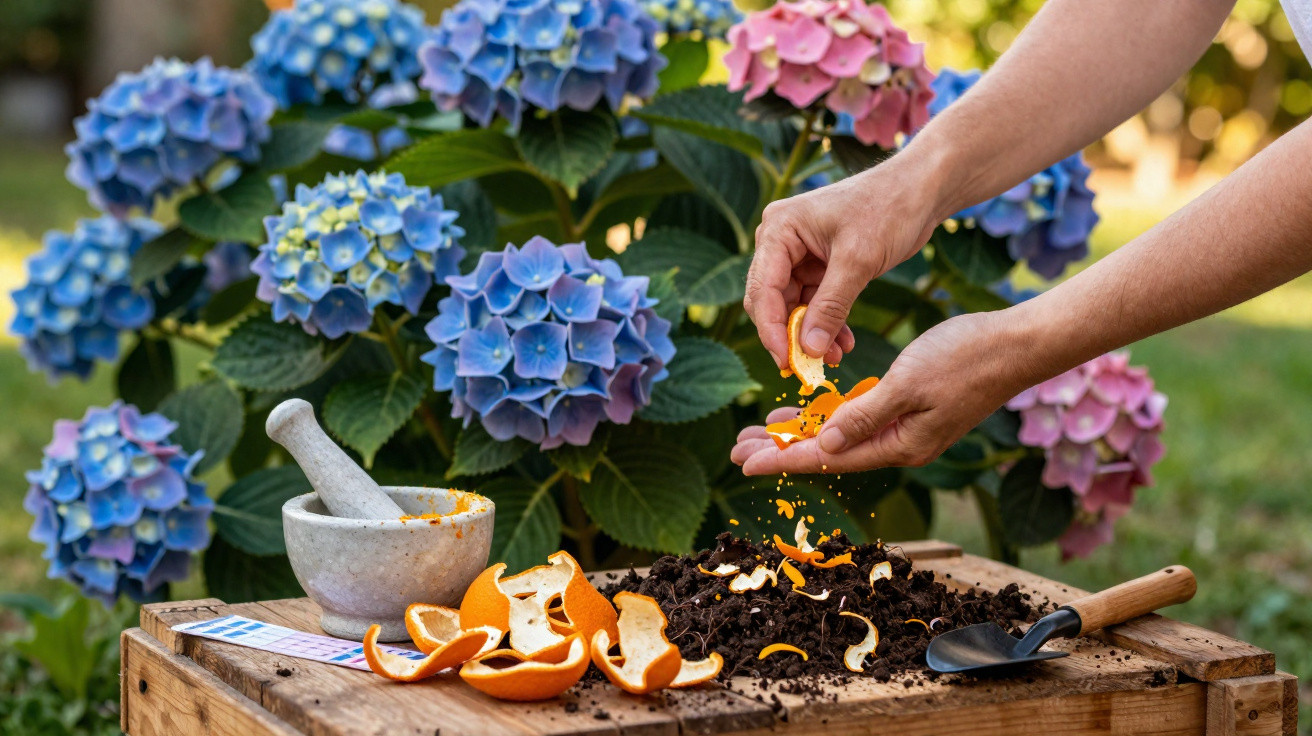
In July, many gardeners know the sight all too well: the flower heads are smaller than expected, the foliage looks yellowish, and the shrub seems generally lacklustre. Watering habits or the previous winter are quickly added to the list of suspects. Yet in many cases, the real cause is a subtle issue in the soil – and this is where a cleverly used piece of kitchen waste can strengthen the plants and visibly revive their blooms.
Why hydrangeas often struggle despite good care
Hydrangeas are classic shrubs for partially shaded gardens. They thrive in humus-rich soil that remains consistently moist and are generally hardy plants. Even so, they often leave their owners puzzled when flowering becomes poorer from one year to the next.
The most common reason is excessively chalky soil. Hydrangeas are traditional ericaceous plants and prefer slightly acidic ground to neutral or alkaline growing media. When tap water from a hard-water area is used, or the garden sits on chalk-rich ground, the pH level gradually rises.
This has immediate consequences:
- The plant is less able to absorb essential nutrients such as iron and potassium.
- Leaves turn yellowish while the veins remain darker – a typical sign of iron deficiency.
- Shoots stay thin, flower heads are smaller or break off more easily.
- Colours lose their intensity, particularly in pink and blue varieties.
“An excessively high soil pH locks up nutrients – the hydrangea is starving even though there may actually be enough in the soil.”
The surprising kitchen helper for hydrangeas
Rather than buying expensive specialist fertilisers, one everyday waste product can be put to good use: dried citrus peel, especially orange peel. Although it would normally end up in the bin or food-waste caddy, it can have a surprisingly noticeable effect in the garden.
The peel has two important qualities:
- It provides mild acidity, gently shifting the soil around the hydrangea towards a more acidic level.
- It contains minerals including potassium, small amounts of nitrogen, magnesium and calcium, all of which support growth.
This gives the shrub a double benefit: the pH level is adjusted gently while a natural mix of nutrients reaches the roots. It is precisely this combination that encourages stronger shoots, rich foliage and more intense flower colours.
How to prepare orange peel properly for hydrangeas
Simply pushing fresh peel into the soil can encourage mould and attract unwelcome visitors such as ants, fruit flies or mice. Proper preparation is the key, and it is remarkably straightforward.
Step 1: Dry the peel completely
Citrus peel must be fully dried before it is used around the plant. Suitable methods include:
- spreading it out on a baking tray or rack in the sun
- drying it in an oven at a very low temperature, around 50–60 °C, with the door slightly ajar
- using a food dehydrator, if you have one
The pieces must ultimately be hard and brittle. If they still feel soft or leathery, there is a risk of mould developing in the soil.
Step 2: Break it up for faster results
The smaller the pieces, the more quickly their contents can reach the roots. Many home gardeners use an old coffee or spice grinder attachment for this. Alternatively, the peel can be finely chopped with a sharp knife.
A powdery or crumb-like texture allows the natural “fertiliser” to be spread more evenly and enables soil organisms to break it down more quickly.
Step 3: Apply and work it into the soil
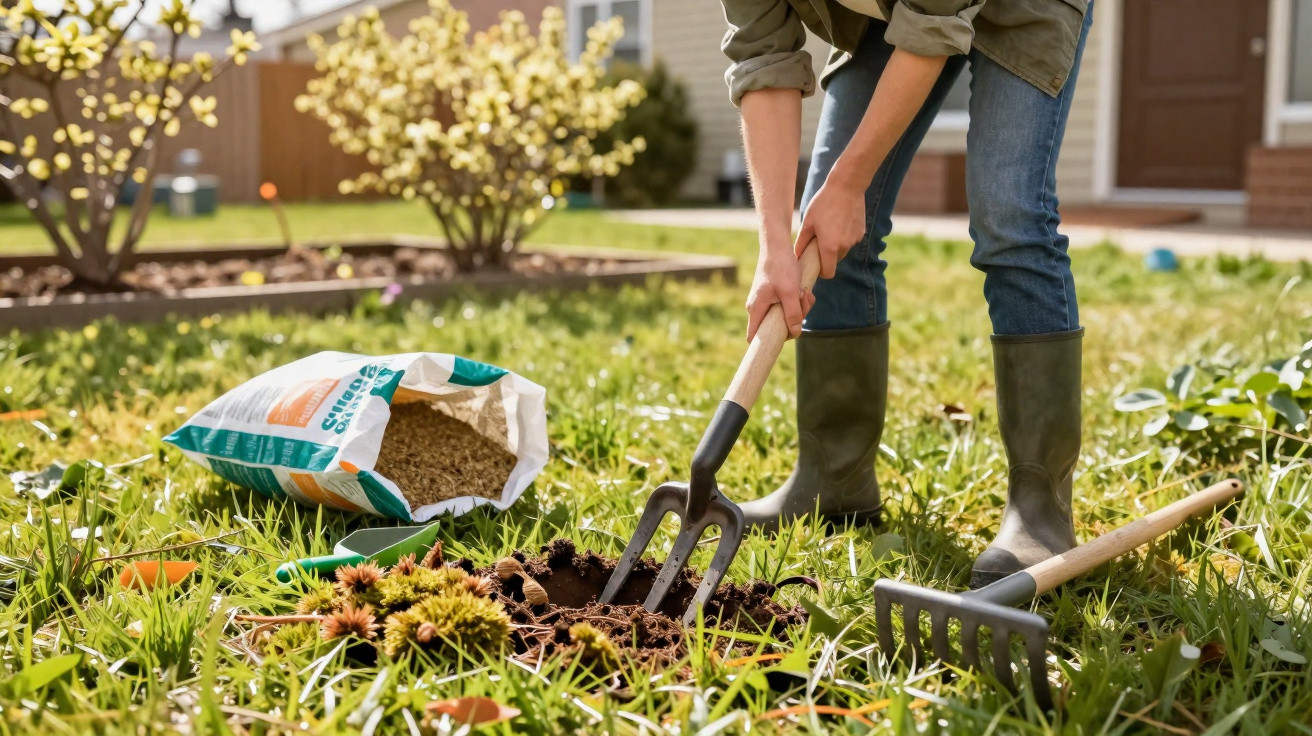
In a border, scatter the chopped peel in a loose ring around the hydrangea’s root area. Leave roughly 10 to 15 centimetres between the material and the stem, so that nothing rests directly against the woody growth.
Then lightly incorporate the material into the top few centimetres of soil. A rake or your hand is sufficient. The crumbs should not be left exposed on the surface, as sun and wind can otherwise break down nutrients more quickly.
Finally, water generously. The water helps carry the substances down into the soil, where the roots can take them up gradually.
“Once a month during the growing period is generally enough for hydrangeas to benefit noticeably.”
How often hydrangeas need this natural booster
The right time for this treatment is from March until the end of August, during the active growing and flowering period. A useful rule of thumb followed by many gardeners is:
- 1 application of chopped orange peel per hydrangea each month
- every three weeks for very sandy soils, if necessary
- use it more sparingly in heavier, clay-rich soils
If you also use conventional hydrangea fertiliser, reduce its dose slightly to avoid overfeeding the plants. The same principle applies to natural materials: smaller, regular applications work better than occasional large amounts.
Double benefit: a nutrient source and natural deterrent
Citrus peel can do more than fertilise. It contains the active compound d-limonene, which is responsible for its strong scent. Many insects dislike this smell, with ants and certain aphid species in particular tending to keep their distance.
Around hydrangeas, this creates a type of scented barrier. It does not provide complete protection, but it may reduce pest pressure. That makes the approach especially appealing for anyone who wants to use as few chemical products as possible in the garden.
This natural effect is not limited to hydrangeas. Other typical ericaceous plants can also benefit from the slightly acidic quality and gentle insect deterrent, including:
- camellias
- rhododendrons
- azaleas
- skimmias
Signs that your hydrangea needs an acidic boost
Not every plant needs help with acidity straight away. However, some signs clearly suggest that the soil may contain too much chalk:
- Leaves become increasingly yellow while the veins remain dark green.
- New shoots emerge thin and soft.
- Flowers are smaller than they were the previous year.
- Bloom colours look washed out or noticeably paler.
If several of these signs appear together, it is worth checking both the watering water and the nature of the soil. In areas with hard tap water, collecting rainwater for hydrangeas can be worthwhile. Combined with dried orange peel, it can shift the pH level gently towards the desired range.
How pH affects hydrangea flower colour
Hydrangeas whose flower colour is influenced by the soil are particularly interesting. Blue varieties, above all, react sensitively to pH. In acidic soil with sufficient aluminium, they retain their blue shade; in neutral or chalky soil, they tend to shift towards pink.
Mildly acidic additions such as orange peel or specialist hydrangea fertiliser support blue colouring by keeping the soil within the appropriate range. This matters less for purely white hydrangeas, although they still benefit from improved nutrient uptake and healthier foliage.
Practical tips, risks and useful combinations
Anyone using citrus peel should bear a few points in mind:
- Never use mouldy peel – mould spores are harmful to soil life.
- Always chop the peel thoroughly, as whole pieces decompose very slowly.
- In areas with lots of slugs, avoid applying mulch too thickly, as damp, dense layers can attract them.
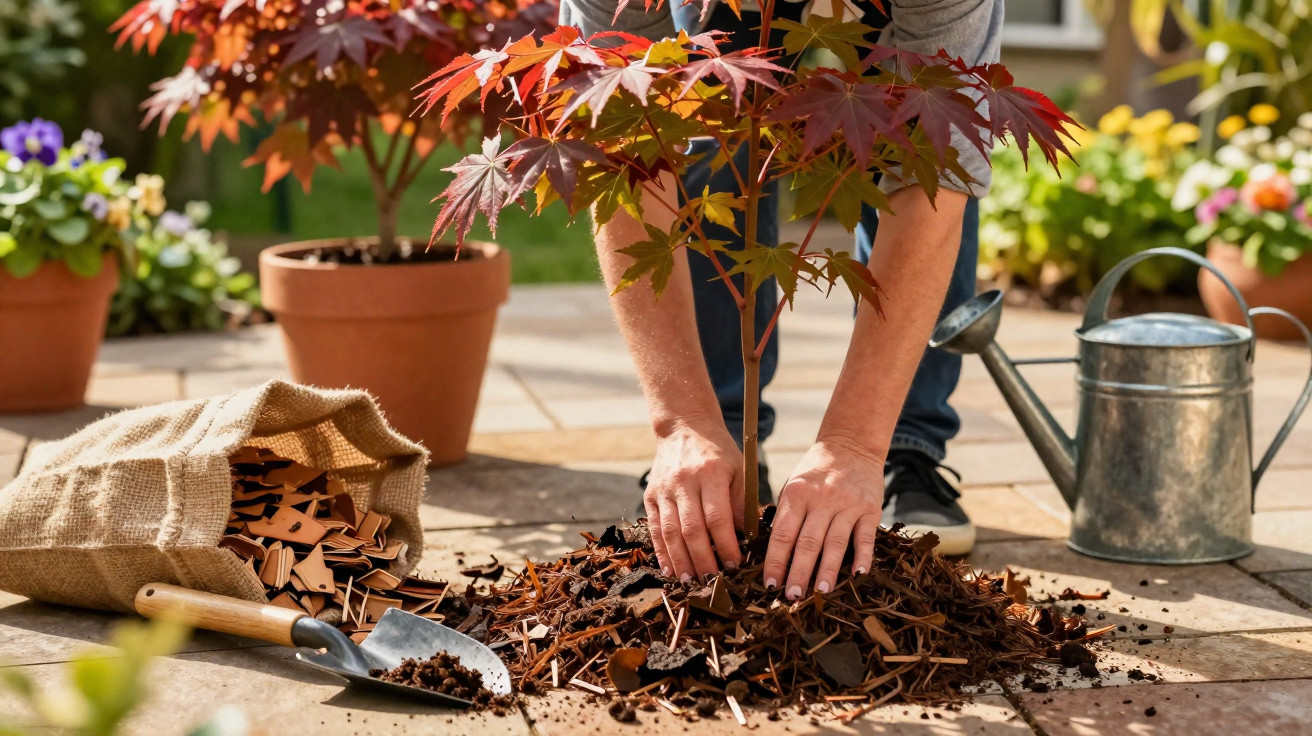
This method can be combined effectively with other measures. A thin layer of bark mulch helps the soil retain moisture, while orange peel provides gentle acidification. Small amounts of compost improve soil structure, but for hydrangeas it should preferably be peat-free and not overly chalky.
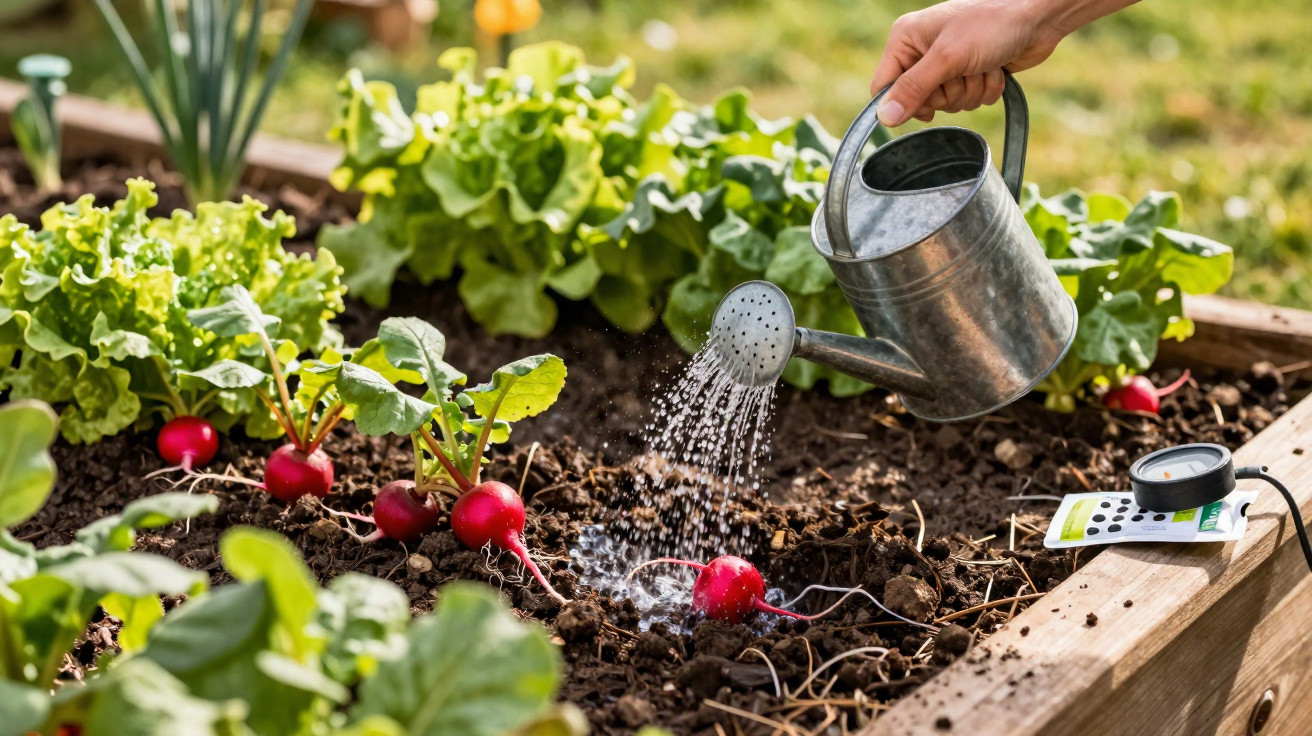
If you are unsure, you can buy a simple pH testing kit from a garden centre. An occasional test helps you understand your own soil and judge whether the amount of citrus peel being used is sufficient or should be reduced.
In this way, an unremarkable piece of kitchen waste becomes a versatile garden aid: the hydrangea receives the conditions it needs for vigorous shoots and vibrant flowers, while the food-waste caddy becomes a little less full.

Comments
No comments yet. Be the first to comment!
Leave a Comment