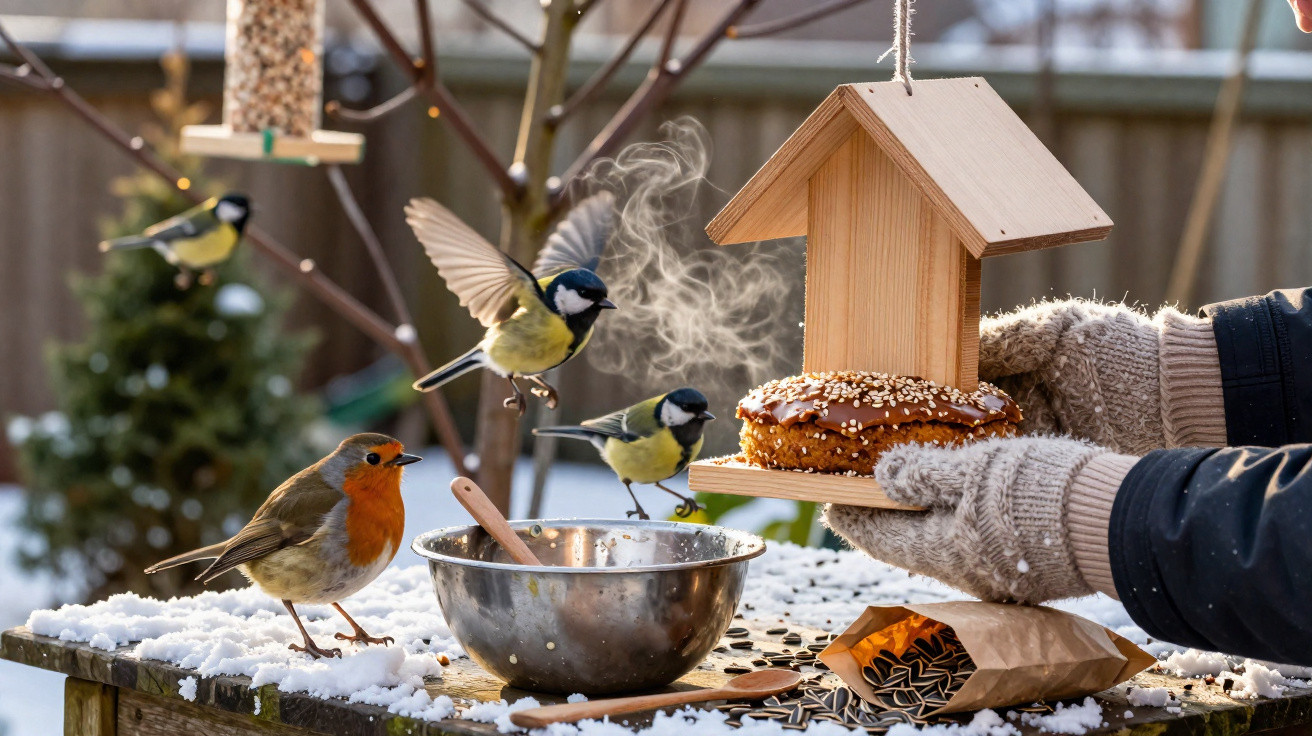
What ends up in garden feeders, however, often fails to meet birds’ real needs.
As increasing numbers of people put up attractive nest boxes and decorative seed feeders, an important question is often overlooked: which food genuinely helps wild birds endure the harshest winter nights, rather than simply making our gardens look appealing?
When temperatures fall, birds face a daily fight for survival
A winter garden in Europe or North America may appear peaceful and almost still. To a small bird, though, it is more like an endurance event. As temperatures approach freezing, every brief flight uses valuable calories.
A robin of roughly 25 grams can shed a substantial proportion of its body fat over only a few freezing nights. A single unsuccessful day of feeding may lead to a deadly night. Repeated cold spells and damp conditions force their metabolism to work at full speed.
As winter progresses, natural food supplies decline sharply too. Insects disappear, while many berries either rot or are eaten early in the season. Wild seeds are buried beneath snow or trapped in frozen soil. Birds are then left searching gardens, balconies and urban trees for any edible morsel.
During the coldest weeks, the difference between “enough energy” and “too little” can be only a few grams of the right food.
The overlooked winter fuel: why unsalted fat outperforms seed mixes
Gardeners commonly buy large bags of mixed seed. They are practical, appear generous and feel like a reliable option. From a bird’s perspective, however, unsalted fat is a far more effective response to winter strain.
Fat contains over twice the energy of an equal weight of protein or carbohydrates. Every gram acts like a tiny fuel log, producing warmth as the bird digests it. This internal heat helps maintain a stable core temperature when wind is sharp and snow blankets the ground.
Seeds remain useful, naturally. Sunflower hearts, peanuts and millet are all worthwhile feeder foods. Yet they need to be cracked and sorted, and they digest more slowly. Fat is closer to an immediate energy lift, particularly before dusk, when birds need to “fuel up” for the long night to come.
For a small songbird, a good fat reserve is not comfort food. It functions as an overnight heating system.
Fats that support birds – and fats that may harm them
Wild birds cannot safely eat every type of fat. Certain products used in human cooking can cause subtle harm through their salt content, additives or consistency.
- Unsalted beef suet or tallow: energy-dense, high in calories and widely eaten by birds that remain through winter.
- Unsalted butter: suitable in limited quantities, preferably combined with seeds or grains.
- Solid vegetable fats (such as blocks of raw coconut oil): appropriate when they are unrefined and unsalted.
- Never offer margarine, salted lard, gravy fat or oily scraps left on plates.
Salt puts pressure on birds’ kidneys. Hydrogenated fats and cooking remnants frequently contain flavourings, burnt residue or emulsifiers. Although these may initially seem harmless, they can cause digestive upset, dehydration or health problems over time.
Clean, unseasoned fats resemble the natural energy birds would obtain from fatty insects or animal remains. Such simplicity is appropriate for bodies adapted to survival, not fast food.
What fat adds to a winter bird menu
A typical winter bird diet changes dramatically on closer inspection. Insects disappear, soft fruit becomes scarce and protein is more difficult to obtain. Fat takes over as the principal source of energy.
| Food type | Main benefit | Winter role |
|---|---|---|
| Seeds | Energy + some protein | Daytime feeding, steady fuel |
| Berries | Quick sugars, vitamins | Short bursts of energy |
| Insects | High protein | Rare in deep winter |
| Unsalted fat | Very dense calories | Night survival, severe cold snaps |
Plain suet or fat balls with no fillers provide precisely what a cold tit or chickadee requires: a concentrated, readily available energy supply. A small amount of whole seed or flakes adds texture and further nutrients, but fat is still the key ingredient.
A straightforward homemade fat mix for garden birds
Many commercially sold “fat cakes” include inexpensive bulk ingredients, such as wheat flour or too many husks. A simple homemade version can often be more effective while costing less.
- 200 g unsalted animal fat (suet or tallow) or solid, unrefined vegetable fat
- 100 g hulled sunflower seeds
- 50 g rolled oats
- A small handful of unsalted, crushed nuts (hazelnuts, peanuts or walnuts)
Warm the fat gently over a low heat until melted. Mix in the seeds, grains and nuts, then pour it into small moulds, half coconut shells or empty yoghurt pots with string placed through the middle. Allow it to cool and set before hanging it where cats cannot reach it.
Homemade blocks allow full control over ingredients, texture and portion size, reducing waste and maximizing energy for every peck.
How to put out fat safely in your garden
How fat is offered can either safeguard birds or expose them to unnoticed risks. Traditional green mesh nets may appear convenient, but claws and feet can become caught in them. A frightened bird dangling from a feeder rarely has a good outcome.
More suitable options include:
- Rigid suet cages made from metal or robust plastic.
- Fat packed into holes drilled in a log or section of branch.
- Pine cones coated in a fat mixture and suspended using wire or string.
Place feeders high enough to reduce the risk of cat attacks, while keeping them near shrubs or hedges that provide escape cover. Birds are more confident when they can quickly dart into shelter after a brief feeding visit.
Cleanliness is equally important. Remove and replace fat blocks once they become soft, unpleasant-smelling or discoloured. Wash feeders regularly to help limit disease transmission. Do not throw greasy crumbs onto the ground, where rats and mice will soon discover them.
Fat fans: species that gather at your winter buffet
In many gardens, tits and chickadees are among the first birds to take to fat feeders. Blue tits, great tits, coal tits and their North American relatives are impressively agile, feeding upside down or gripping slim wires.
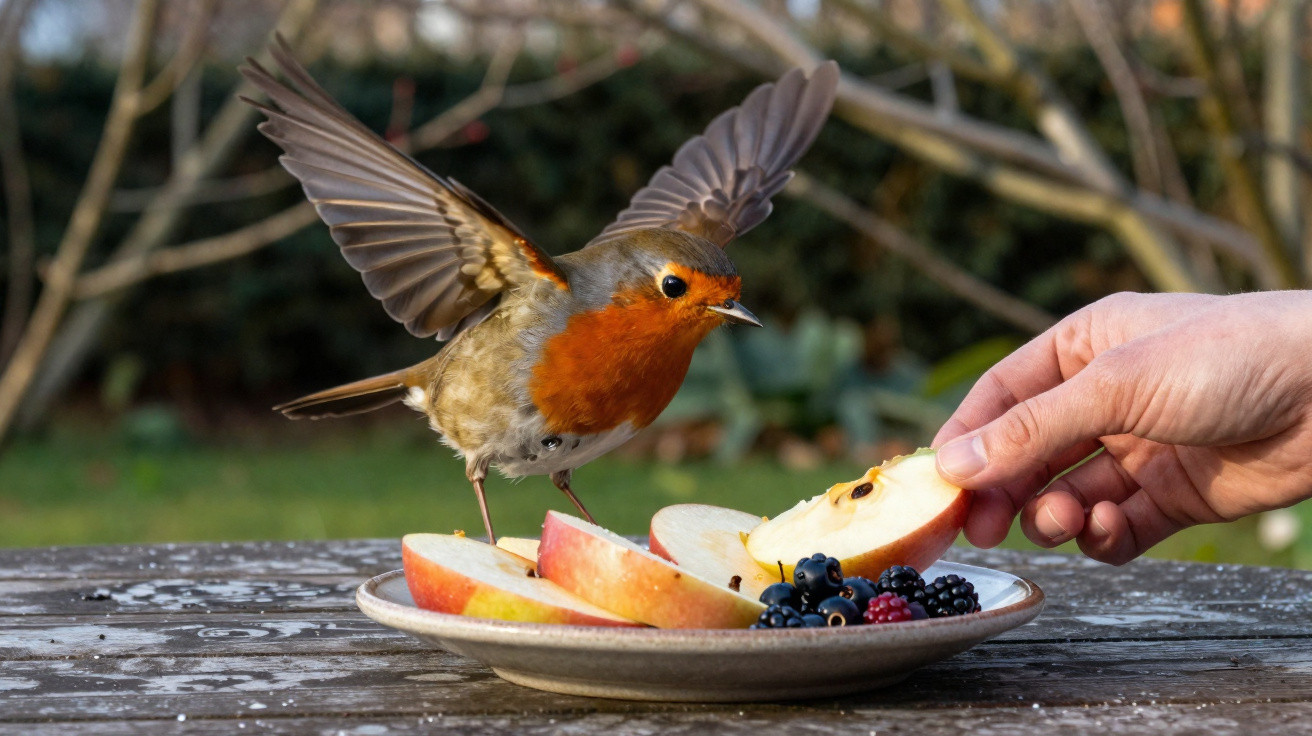
House sparrows and tree sparrows frequently arrive in noisy groups, taking turns at a suet cage. Robins favour flatter feeding areas, where they may pick up dropped crumbs or peck at lower blocks. Nuthatches act like miniature acrobats, taking pieces away to wedge into bark.
Woodpeckers, including the great spotted woodpecker, often begin visiting after fat has become a regular garden feature. Thrushes and starlings also adapt quickly in some locations. Together, these visitors create an ever-changing performance outside the window, with distinct hierarchies during busy feeding periods.
A single suet feeder can turn a quiet corner of lawn into a daily wildlife stage, with changing cast and constant movement.
Feeding carefully: boundaries and long-term balance
Well-intentioned feeding can become excessive. If gardens provide abundant high-calorie food, certain birds may begin depending heavily on these predictable feeding points instead of seeking food over wider areas. This can alter local behaviour patterns.
Thoughtful winter feeding should provide support rather than replace natural foraging. A useful guideline is to offer sufficient fat and seed to assist birds during the coldest periods, while still allowing them the time and incentive to forage naturally. Consistent but restrained top-ups achieve this balance better than continually overfilling feeders.
When spring draws nearer and insects reappear, slowly cut back on fat-based food. This gradual reduction helps birds return to protein-rich prey, which is needed for breeding and rearing chicks. In many areas, wildlife organisations recommend ending suet feeding once overnight frosts are uncommon.
Beyond fat: further ways to create a bird-friendly winter garden
Fat blocks are most effective when included in a wider plan to help wildlife. Berry-bearing winter shrubs, areas of long grass and stacks of dead wood provide both natural food and shelter. Leaving seed heads on plants such as teasels and coneflowers gives finches an additional reason to visit.
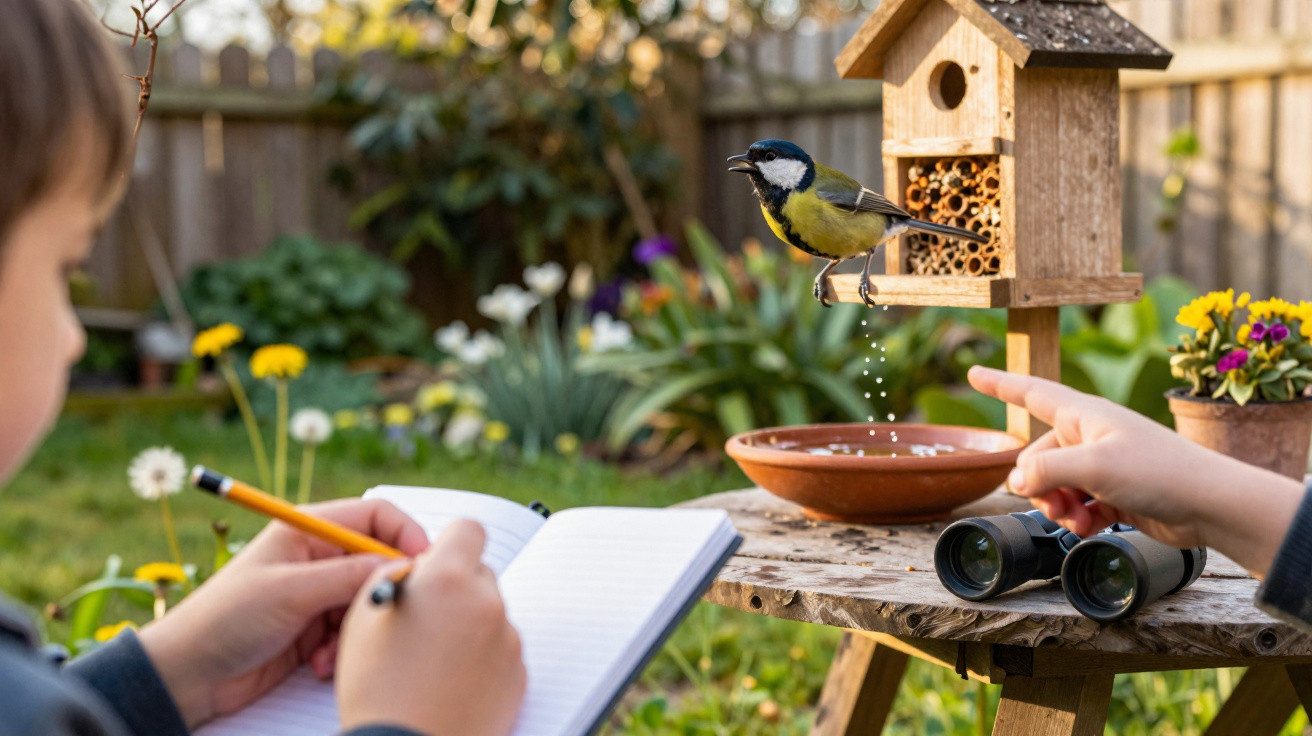
Water also requires particular consideration. In freezing conditions, unfrozen water can be nearly as important as food. A shallow dish topped up each day, or a bird bath fitted with a basic heater in colder climates, enables birds to drink and maintain their feathers for effective insulation.
For anyone wanting a more practical way to think about this, try a basic “energy budget” exercise: picture a blue tit having to keep its body temperature stable throughout a 16-hour winter night. Compare the calories supplied by one small suet pellet with those in scattered seeds. This simple comparison soon demonstrates why a few grams of suitable fat can make the difference between survival and loss.
This winter, nest boxes may still draw attention, but their quiet companion often hangs nearby: a plain, modest block of unsalted fat that keeps delicate hearts beating until morning.



Comments
No comments yet. Be the first to comment!
Leave a Comment