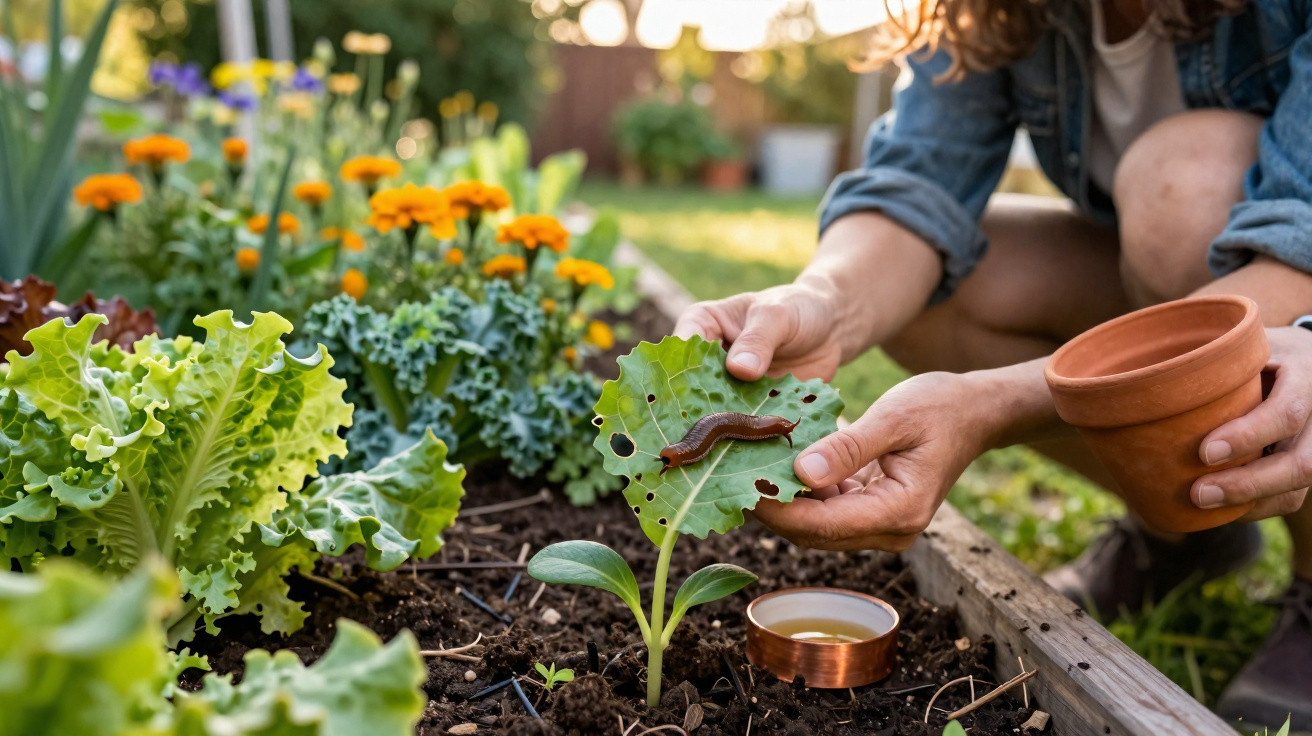
By morning, the lawn resembles a crime scene. Lettuces have become shredded lace, dahlias have been eaten back to soggy green nubs, and the only likely culprits are the slow, glistening creatures retreating beneath the pots. You crouch down with coffee in one hand and start counting: ten, twenty, thirty slugs packed into the cool shade as though the garden belongs to them. By midday, the scene is peaceful again, as if nothing has occurred. But the evidence remains: quiet, sticky destruction. Trowel in hand, you hesitate between crushing them and letting them go. Are they harmless recyclers of decaying material, or slimy wreckers of months of effort? The back garden becomes a miniature ethical battleground, bringing up an odd combination of revulsion, guilt and fascination - along with one stubborn question.
Slugs: stealthy garden vandals or misunderstood cleaners?
What is peculiar about slugs is their invisibility in daylight and the unmistakable signs of their work by morning. Leaves look as if they have been snipped with scissors, strawberries bear neat round holes, and silvery trails dry across patio paving. Because you seldom see the feeding itself, the destruction can feel especially unfair.
They travel slowly, but can wipe out an entire line of seedlings during a single night. The contrast between their unhurried movement and their ruthless effectiveness creates the sense that they are getting away with something.
During a wet spring evening in a small London suburb, Kate, a retired teacher, counted 74 slugs around her raised beds in under 20 minutes. A week earlier, she had planted cosmos and sweet peas with her grandchildren. When the children returned to visit “their” flowers, half of the young plants had disappeared.
Rather than immediately using blue pellets, Kate gathered the slugs into a bucket, carried them to a nearby hedge and released them, hoping the problem was solved. Within two days, the damage had returned.
Her experience is repeated everywhere, from balconies in Berlin to rural gardens in Oregon. Some gardeners rely on beer traps, some keep ducks, while others conduct nightly “slug patrols” by torchlight. Exact figures are unclear, but surveys of European allotments indicate that slugs and snails are the hobby gardener’s most disliked pests, far ahead of aphids and caterpillars.
From a biological viewpoint, however, the story is less straightforward. Many slug species are scavengers that feed on dead foliage, decaying fruit and algae. In effect, they are tiny composting machines, converting soft, rotting material into nutrients for the soil. Some also graze on fungal mycelium, which may help restrain certain diseases.
The difficulty arises with species such as the Spanish slug (Arion vulgaris), a resilient invasive slug that favours young vegetable plants and is spreading across much of Europe. Gardens full of delicate seedlings, thriving hostas and regularly watered borders offer an unlimited buffet. In the absence of predators including hedgehogs, birds, ground beetles and frogs, slug populations can surge.
The so-called “slug war”, then, is not simply a contest between good and evil. It concerns balance, habitat and the amount of damage you are prepared to accept in return for a lively, functioning garden.
From frustration to strategy: living with - and sometimes fighting - slugs
The first meaningful change comes when the question shifts from “How do I kill them all?” to “How do I safeguard the plants that matter most?” That reframes the issue from an endless conflict into focused protection.
A useful starting point is to identify your plant “red zones”: seedlings and ornamentals that you genuinely cannot afford to lose. Lettuce, basil, beans, hostas and dahlias will often feature on that list. Rather than scattering slug pellets throughout the garden, concentrate barriers and traps around these areas.
Copper tape on raised beds, abrasive circles of crushed eggshells or lava rock, and wool pellets that expand into a coarse mat can all make the route unpleasant for slugs. None is a miracle solution, but using several together improves the odds. The aim is not to sterilise the garden; it is to make reaching valued plants more difficult.
A community garden in Bristol adopted another tactic. Just a few metres from its main vegetable plot, it planted “sacrifice beds” filled with slug favourites. In a shaded spot, it used 80% moisture-retaining mulch alongside marigolds, decoy lettuces and old cabbage leaves to create a powerful slug lure.
After dark, volunteers wearing head torches collected slugs from these beds and placed them in a bucket of soapy water. It was harsh, certainly, but deliberate. Over two seasons, the project recorded a significant reduction in crop damage in the main beds, despite slug numbers remaining high overall.
It is an uncomfortable trade-off: you deliberately draw in animals that you also intend to remove. Some members disliked the approach, while others found it unexpectedly satisfying. Its main outcome was a change in perspective. People began searching paths for hedgehog droppings, discussing beetle hotels and preserving wilder spaces for predators. Indirectly, the “enemy” had encouraged a more diverse ecosystem.
That ecological element is scientifically important. Gardens containing varied habitats - pond margins, log piles, thick shrubs and patches of long grass - usually support more slug predators. Ground beetles hunt through leaf litter at night. Song thrushes smash snails against stones. Toads wait beneath pots.
When every corner is cleared, every edge mown and every dead leaf removed, tidiness may seem like the goal. Yet this also removes shelter and resources from the creatures that control slugs. The result can be a garden that appears “managed” but is oddly out of balance.
The sensible answer is not a lifeless garden, but one with layers: places you tend closely alongside others left to their small dramas of life and death. In that setting, so-called pests begin to seem less like villains in a minor story and more like participants in a larger one.
Practical slug control: protect crops without making the garden a battlefield
For a measure that can help this week, begin with timing. Slugs do their worst damage when plants are young, soft and fresh. Raising seedlings in pots until they are slightly larger before planting them out gives them a better chance of surviving.
Plant in late afternoon on a dry, breezy day. Water the soil beforehand, then dampen the nearby ground lightly instead of soaking the whole bed after dark. Damp nights are prime slug conditions. Adjusting when and where moisture is applied quietly makes life more difficult for them.
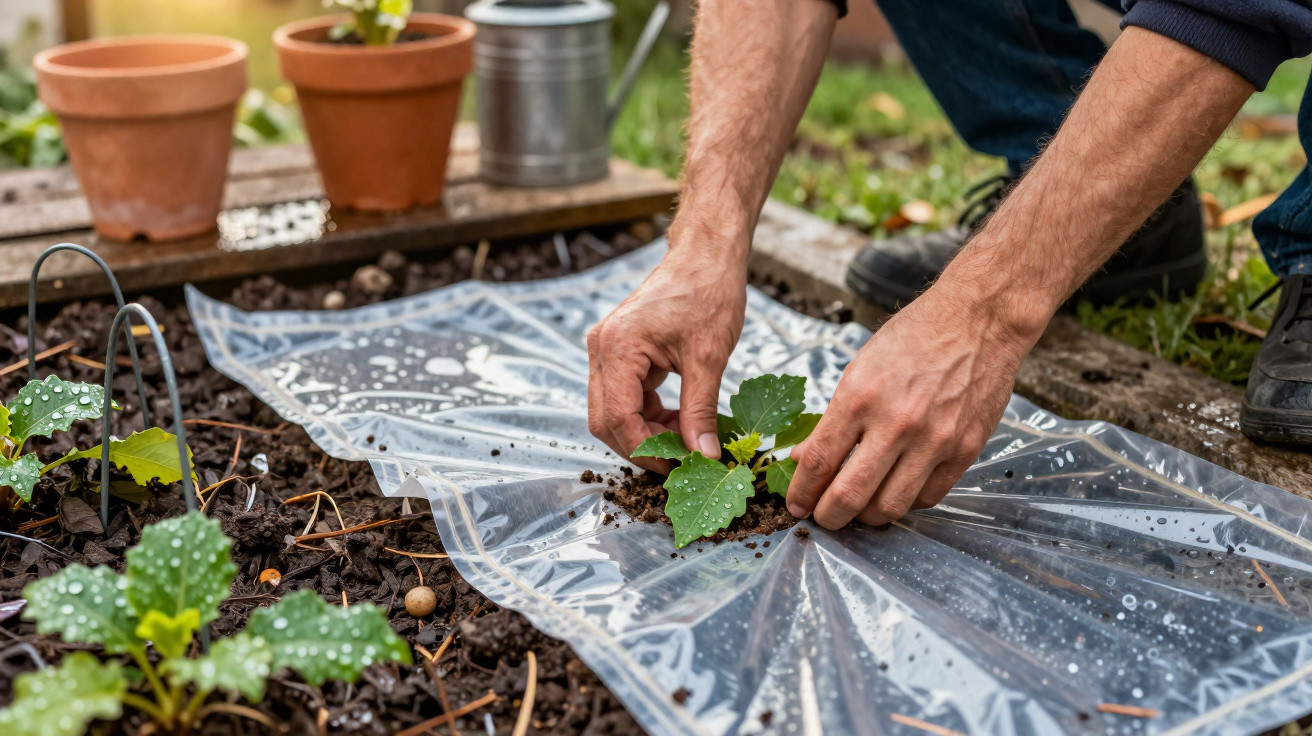
For especially valuable plants, cut collars from plastic bottles and press them 2–3 cm into the soil around the stems. They work as miniature fortresses against low-moving, slimy intruders. The method is basic, unattractive and effective.
We have all seen images of immaculate, weed-free, perfectly mulched beds in gardening books. Let’s be honest: nobody truly maintains that every day. Real gardens contain stacks of pots, neglected seed trays and the one area where tools simply… pile up.
These untidy areas can be either a liability or an advantage. Beside a salad bed, they function as slug hotels. Move the clutter towards a “wild corner”, however, and it can provide cover for predators instead.
Do not scatter iron phosphate pellets as though they were confetti, particularly near hedgehog routes or bird-feeding areas. Although some products are sold as wildlife-friendly, excessive use can disrupt the balance and may still affect non-target wildlife. Direct treatments towards places where damage is visible and losses are genuinely unacceptable, such as compact urban patios with few plants.
“The more I tried to wipe slugs out, the worse the garden felt,” says Mark, a landscape gardener from Manchester. “The day I stopped thinking of them as invaders and more like a force to negotiate with, the whole place changed.”
He is not suggesting that you must enjoy having them around. Rather, he means that you can decide which battles matter. That decision becomes simpler with a few guiding tactics:
- Grow seedlings in modules until they have at least 3–4 true leaves.
- Place your most vulnerable plants together to make protection easier.
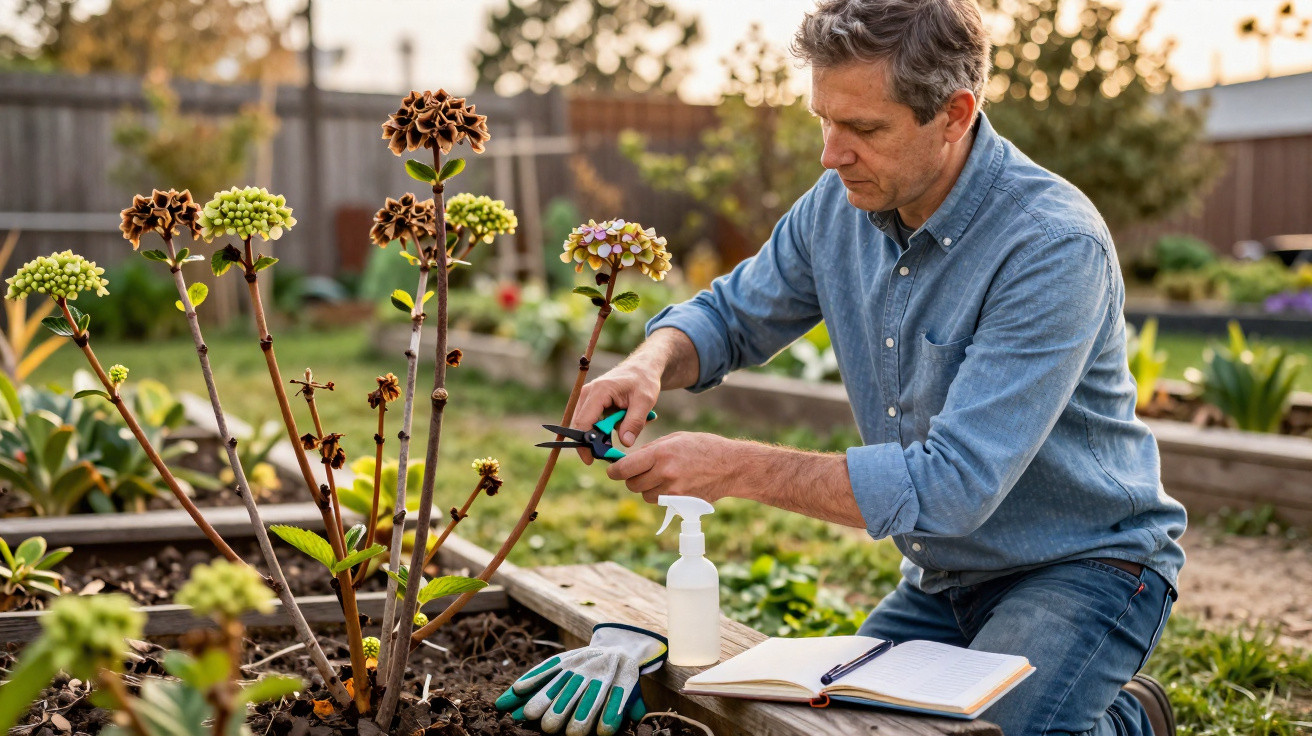
- Record or photograph the places where damage occurs instead of relying on assumptions.
- Retain at least one untidy area for predators and decomposers.
- Test one new technique each season rather than five at once, so you can identify what works.
On a terrible morning, when your beans have been reduced to threads, such a measured response can seem almost too calm. But this is often the moment when it is most effective - when the urge to destroy everything is strongest.
A garden that accepts a few bite marks
There is a particular relief in accepting that some leaves will be lost. Once perfect foliage is no longer the goal, other details become more noticeable: a song thrush turning over mulch for breakfast, the soft movement of a toad beneath hostas, or beetles working steadily in the compost heap.
Seen this way, slugs are more than thieves. They are part of the recycling workforce and the lowest rung of an energy ladder reaching upwards. Birds sing more where food is plentiful. Hedgehogs raise more young where calories are easily found. In the broader picture, your “slimy pests” are somebody else’s food.
On a damp evening, take a torch and walk slowly around the garden paths. Notice who is truly active, which plants suffer most and where slime trails begin and finish. On a screen, this may sound theoretical. Outside, among the scent of wet earth and the glint of slug slime on bricks, it becomes something different: a negotiation.
You may still collect them, relocate some or, yes, kill others near delicate crops. But every small choice feels different once you understand the system in which they live. The back-garden conflict becomes less about punishment and more about setting boundaries. It is a story gardeners quietly exchange over fences and in allotment conversations long after the night patrols have ended.
| Key point | Details | Why it matters to readers |
|---|---|---|
| Protect the most vulnerable plants first | Direct defences at seedlings of lettuce, brassicas and beans, plus delicate ornamentals such as hostas and dahlias. Use collars, copper tape on pots, and small planted clusters instead of spreading plants across the whole bed. | This delivers quick, visible results and prevents the panic that “everything is being eaten” by protecting the plants that matter most. |
| Use water and timing as silent weapons | Water early in the morning, allowing the soil surface to dry before night. During peak slug season, avoid evening hose sessions and thick mulch pressed against young stems. | It limits the damp, dark conditions slugs favour without chemicals, while fitting easily into routines many gardeners already follow. |
| Create habitat for slug predators | Include log piles, a shallow pond margin, dense shrubs and longer grass. Leave some fallen leaves under hedges, and provide flat stones where thrushes can break snail shells. | It encourages hedgehogs, frogs, birds and beetles to hunt on your behalf, turning a recurring “slug crisis” into a more self-regulating ecosystem. |





Comments
No comments yet. Be the first to comment!
Leave a Comment