The sun is returning, the lawn is growing, pruning shears are working overtime – and one popular springtime garden habit can lead to an expensive day in court.
Many amateur gardeners throw themselves into the new season in March. They mow the lawn, trim shrubs, clear away leaves – and end up with a huge pile of green material in the corner. What was once almost taken for granted can now be a costly legal offence in many areas: anyone who sets fire to garden waste risks substantial fines.
Why burning garden waste causes problems
Legally, lawn clippings, leaves, pruned branches, old hedge cuttings and even kitchen waste such as vegetable peelings are classed as “biowaste”. For decades, this material was often simply piled up behind the shed before eventually being burnt. A brief plume of smoke, a little glowing ash, and the job was done. Many people regarded it as a harmless part of rural tradition.
Today, that instinct clashes directly with environmental and health protection rules. Burning garden waste in the open creates thick smoke, unpleasant odours and fine particulate matter. In response, policymakers have severely limited or entirely prohibited the burning of green waste – not only in towns and cities, but in many rural locations too.
“A single pile of burning branches can release roughly as many fine particulate pollutants as a modern diesel car travelling thousands of kilometres.”
There is another concern: small “private fires” regularly turn into uncontrolled blazes, particularly in windy weather or during dry spells in spring. Fire services repeatedly warn of vegetation fires caused by precisely these supposedly harmless garden bonfires.
What the law says about garden fires
Under environmental law, green waste is treated as waste that must be disposed of or recovered correctly. The rule is straightforward: no burning outdoors, no burning in a garden incinerator and no “setting fire to an old bin”. Regulations in many areas explicitly cover:
- lawn cuttings and grass clippings;
- leaves and dead plant matter;
- branches and shrub cuttings;
- tree prunings and larger woody garden waste;
- vegetable and fruit waste from the kitchen.
These materials should instead be recovered, for example by composting, mulching or taking them to collection points and recycling centres. Authorities and local councils base this approach on three issues: cleaner air, protection of public health and fire risk.
Penalties for breaking the rules
Anyone who reaches for the matches despite the rules may be committing a regulatory offence. Fine levels vary according to the area, the seriousness of the breach and whether it is repeated. In many cases, fines of up to €450 are possible, and they may be higher where other rules apply or further damage has occurred.
“A ‘quick little fire’ in the garden can be punished as a regulatory offence with a fine of up to €450 – and potentially more in individual cases.”
In practice, neighbours often report such incidents. Smoke, flying sparks and strong smells can prompt complaints to the local council, police or public order office. Someone who provides a garden incinerator or a homemade “burner” may also be held liable – not solely the person who lights it.
The situation becomes especially serious if flames spread onto neighbouring land or affect animals and their habitats. Environmental law provides for far tougher consequences where significant harm is caused to wild species or their habitats, including criminal proceedings.
What to do with large piles of branches and leaves
The good news is that no one has to let green waste take over their garden. Since 2024, separate biowaste collection has been intended to be available nationwide. Local authorities provide brown bins, distribute compost containers or operate collection sites. Garden owners have several practical options.
Composting in your own garden
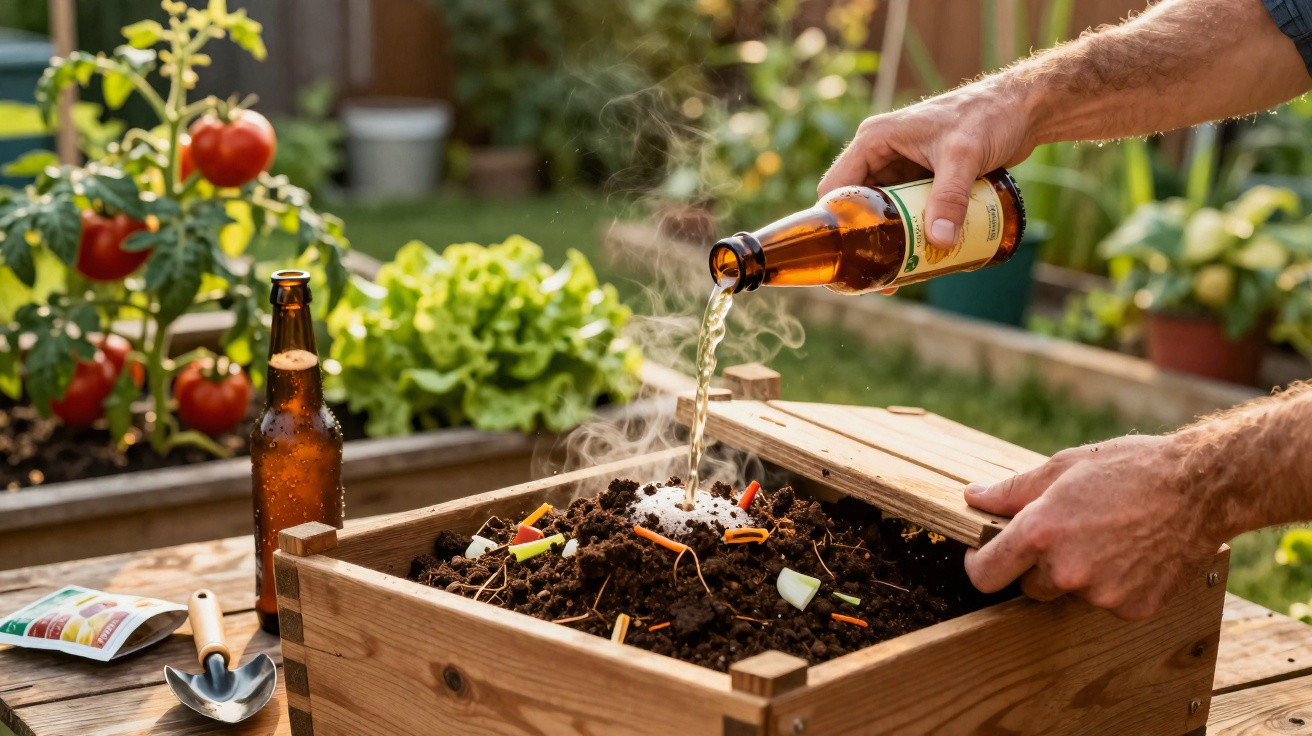
A traditional compost heap or enclosed compost bin can easily take lawn cuttings, leaves and some shrub prunings. Combining damp and dry materials helps the composting process work effectively. The result is free humus for feeding beds and lawns.
- Advantage: It saves on disposal charges and fertiliser.
- Disadvantage: It requires some space and regular attention.
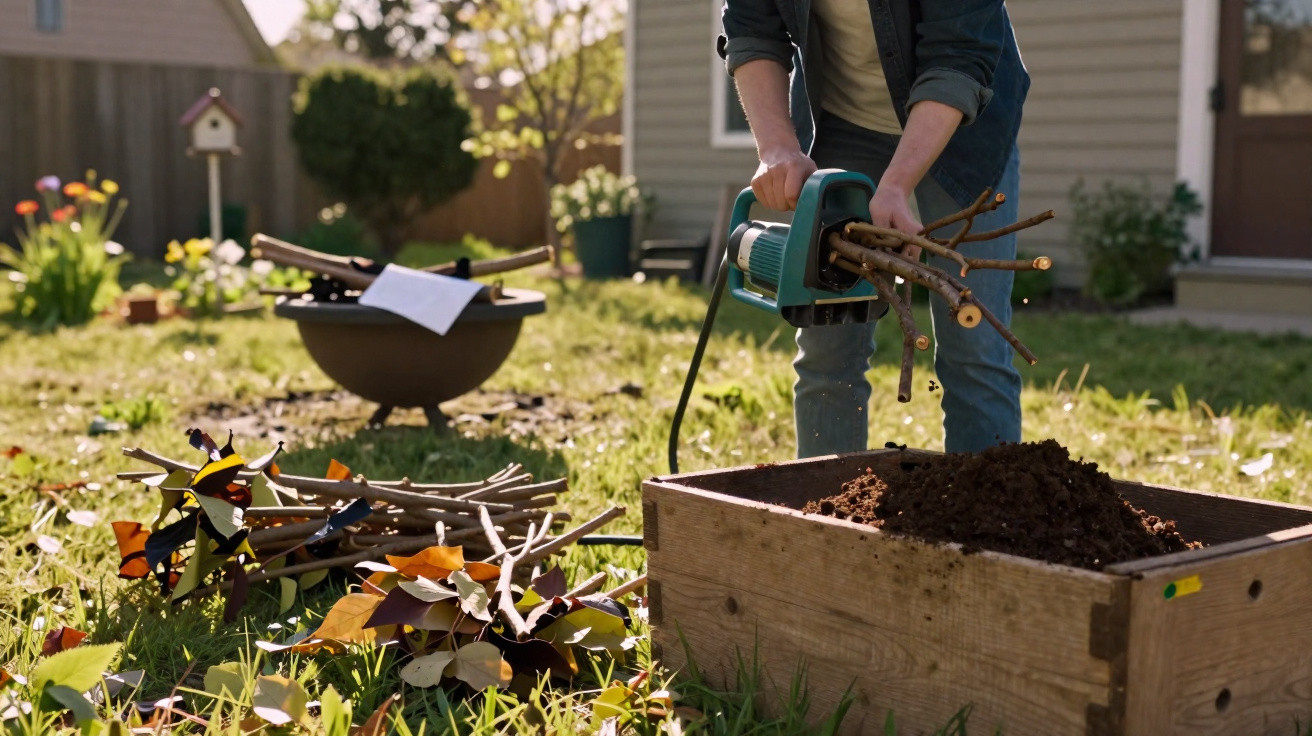
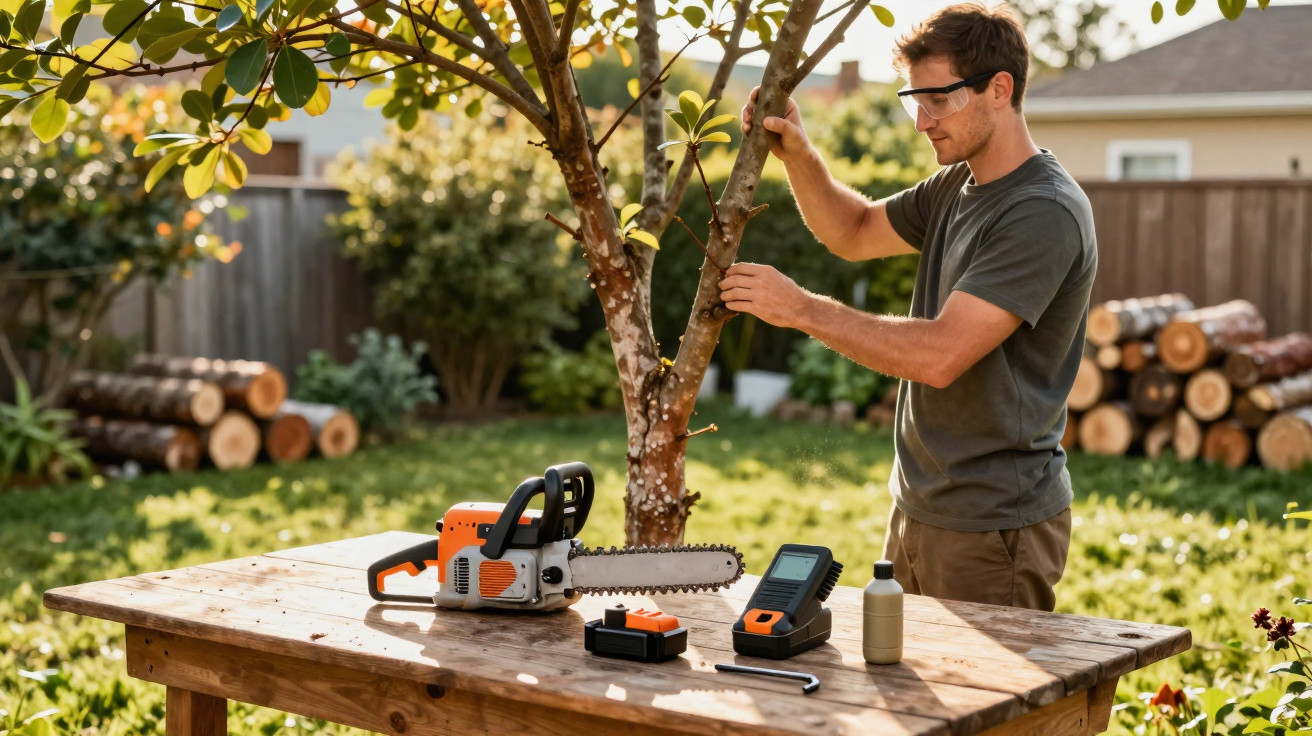
Thicker branches can first be shredded with a garden chipper. The resulting woodchip is excellent structural material for the compost heap.
Mulching to protect the soil
Anyone using a chipper can spread the material directly over beds, beneath shrubs or around trees. This layer acts like a protective covering:
- It keeps the soil moist for longer.
- Fewer weeds are able to germinate.
- Soil organisms remain more active.
In practical terms, this can reduce watering needs considerably – experience suggests savings of around 40 per cent when watering. That is a particularly strong argument in dry summers.
Use a recycling centre or local collection service
Those with more branches and cuttings than their compost heap or mulching space can accommodate should take them to a recycling centre. Many local waste authorities accept green waste free of charge, often subject to a limit per delivery, such as one to two cubic metres. Some councils offer:
- mobile collection points for shrub cuttings;
- green-waste collection days similar to bulky-waste collections;
- central composting facilities where material can be dropped off.
Anyone uncertain about the arrangements can usually find the details in the council waste calendar or by contacting the local waste advice service directly.
The overlooked environmental value of green waste
Beyond the legal aspects, piles of leaves and branches have ecological value. They provide shelter for hedgehogs, insects, spiders and many other small creatures. These animals often have very little protection left in highly manicured ornamental gardens.
“A natural pile of branches and leaves serves many animal species as winter quarters, a nursery and a refuge all at once.”
Anyone determined to make everything “clinically clean” on the first sunny weekend in March can quickly destroy these very refuges. Reaching for a lighter then affects not only air quality, but biodiversity in the garden as well.
One compromise is to process only part of the garden waste immediately and deliberately leave one or two wild corners untouched. Leaves, dead wood and brushwood can remain there throughout winter and be carefully moved only much later in the year.
Practical tips for a legally compliant spring garden clear-out
To avoid trouble with authorities and neighbours, it helps to take a structured approach in spring. A simple plan is useful:
- Before starting, ask the local waste provider about drop-off limits and opening times.
- Get a chipper, or share one with neighbours, to break down branches.
- Check the composting area or create a new one.
- Prune back only as much as can genuinely be reused or taken away.
- Do not start impromptu fires, not even to “just quickly scorch the pile”.
People maintaining larger areas or numerous trees can hire contractors for tree and shrub pruning. These firms often bring their own chippers and arrange removal of the material. Although this costs money, it lowers legal risks and physical strain.
Why it pays to check the small print
The precise rules differ from one local authority to another. Some areas permit certain traditional fires or organised collection events under very strict conditions. Other councils take a firmer approach and prohibit all private outdoor burning.
A brief call to the town hall or public order office can provide clarity. Relying on supposedly “old rules” or on what neighbours say can easily lead to mistakes. Many places have amended their by-laws, particularly following the new requirements for separate biowaste collection.
Anyone who finds terms such as biowaste or fine particulate matter confusing can keep to one simple principle: everything that grows in the garden and later dies can be viewed as a raw material. Whether it goes into compost, a mulch bed or a municipal facility, it can become soil again somewhere. Burning it merely turns the material into ash, pollutes the air and, in the worst case, puts people, homes and nature at risk.





Comments
No comments yet. Be the first to comment!
Leave a Comment