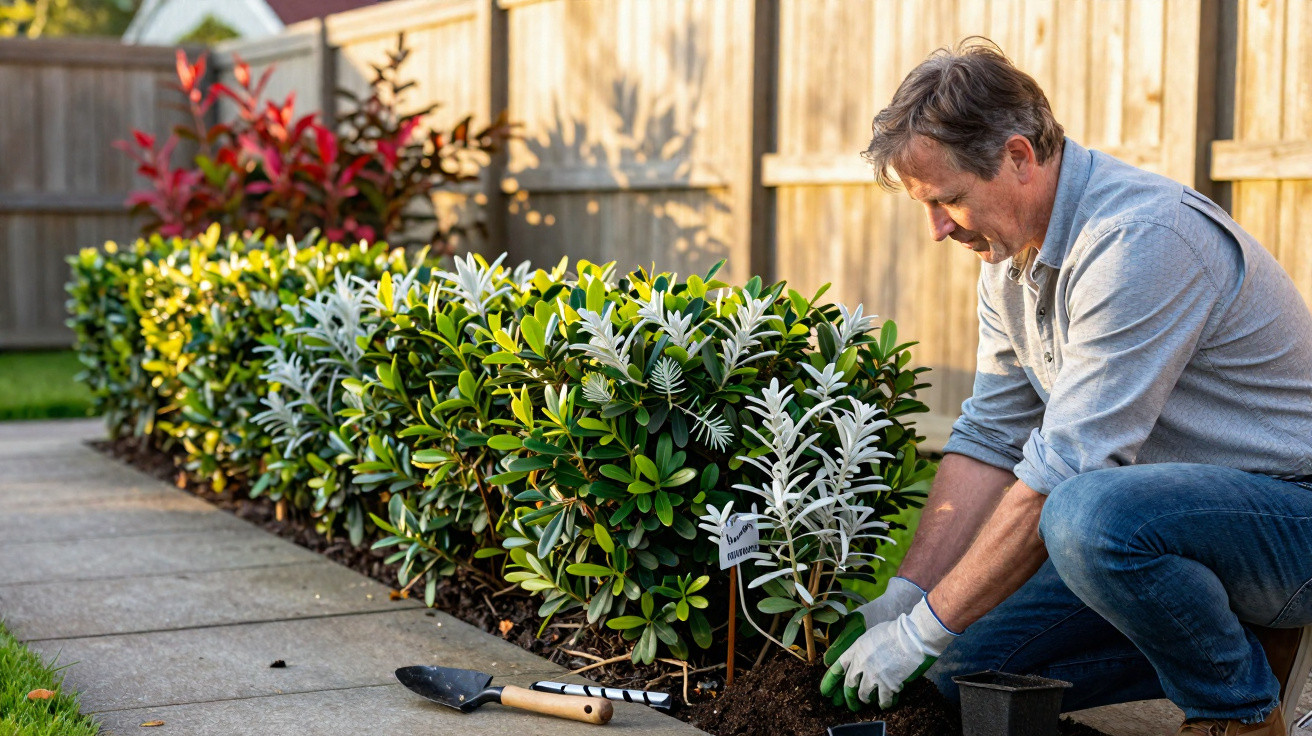
Many homeowners will recognise the sight: a thick hedge shimmering in red and green, keeping prying eyes at bay. Yet these Photinia rows are now coming under pressure. Fungal diseases are spreading quickly, entire hedges are collapsing – and landscape gardeners have long been recommending a new, much tougher shrub that needs hardly any maintenance.
Why the standard red hedge is suddenly failing
A familiar pattern has emerged on new-build estates over recent years: where boundaries were once marked by walls of thuja, there are now metres of Photinia hedging. The shrub became popular thanks to its rapid growth, year-round foliage and striking red new shoots. It was widely stocked by garden centres, making the choice of ‘Red Robin’ almost automatic.
That trend is now beginning to show cracks – quite literally. Plant-disease specialists have observed widespread outbreaks of leaf spot disease in Photinia hedges for several years. It is caused by a fungus that finds ideal conditions particularly during mild winters and wet springs.
Experts estimate that an infected Photinia hedge can lose between 15 and 30 percent of its leaf mass in a single season.
In many gardens, the disease follows the same course. Small reddish dots first develop on the foliage before rapidly spreading into brown patches. True necroses then form as the tissue dies. Leaves turn yellow, dry out and eventually drop. What remains is a framework of unsightly bare branches.
There is little that can be done to restore the hedge visually. Even gardeners who prune regularly and remove affected leaves are often fighting a losing battle against the disease pressure. As a result, more and more homeowners are finding that their supposedly ‘indestructible’ privacy screen is falling apart.
Changing climate, stressed hedges
The collapse of the Photinia hedge is not happening by chance. This wave of disease is closely linked to changing weather conditions. Milder winters allow fungal spores to remain active for almost the whole year, while long wet spells in spring and autumn make matters worse.
At the same time, huge monocultures have been planted in many neighbourhoods: the same shrub in row after row, often spaced too closely together with poor airflow. This creates the perfect breeding ground for pathogens. What once started with a handful of spots now often ends in the complete failure of the hedge.
Gardeners now advise against simply replacing weakened Photinia rows with more of the same. Spores can remain in old root material, fallen leaves and the soil, so starting again with the same species often leads to the next disappointment.
The new favourite: why Pittosporum is taking over
Replacing this weakened classic is a shrub that has long ceased to be an insider tip in mild areas: Pittosporum. It is still chiefly known to enthusiasts in Germany, but that is changing rapidly. Garden designers see it as the logical successor, especially from spring 2026, when many Photinia hedges may need to be replaced for good.
Pittosporum is regarded as a colourful, calmer privacy hedge – less stress, less pruning and a more consistent appearance.
What makes it so appealing? Here is an overview:
- Evergreen and dense: Its foliage remains on the shrub throughout the year, providing dependable screening.
- Subtle yet refined appearance: Many varieties have glossy, sometimes variegated leaves in green, grey or cream.
- Moderate growth: It grows by an average of 20 to 30 centimetres annually – fast enough for a hedge, yet easy to manage.
- Low maintenance: One annual trim is generally enough to keep the hedge dense.
- High tolerance of leaf fungi: The shrub is considerably less susceptible than Photinia.
For many exhausted amateur gardeners, this is a real relief. Anyone who has spent years collecting diseased leaves and trying expensive fungicides mainly wants one thing: peace in the garden. Pittosporum offers exactly that, provided the site is suitable. It reaches its limits in exposed upland locations with severe frosts, but thrives across much of the lowland and gently rolling countryside.
A real-world case that calls for a rethink
The scale of the difference is illustrated by one homeowner whose Photinia hedge failed completely within just three winters. Along a length of 20 metres, what had been a dense barrier turned into a lattice of bare branches. Her garden was suddenly exposed as if on display.
Removing it and replanting with the same material would have meant digging it out, disposing of it, buying new plants, spraying regularly and maintaining them for years. She chose a Pittosporum hedge instead. It now needs only one relaxed maintenance session each year, its leaves stay clean and the privacy screening has returned – without resorting to harsh chemicals.
Moving away from uniform hedges: mixed hedges are becoming a trend
Anyone deciding whether to replace a damaged Photinia hedge should avoid repeating one mistake: monoculture. Specialists now clearly recommend planting mixed hedges. They not only make a garden more varied, but also substantially more resilient.
Typical combinations that work well include:
- Pittosporum as an evergreen structural backbone
- Elaeagnus ebbingei for silvery foliage and a delicate fragrance
- Native shrubs such as hazel, cornelian cherry or common dogwood
A hedge of this kind feels more alive, provides food and shelter for birds and insects, and copes far more calmly with disease. If one species fails, the others continue to provide privacy screening.
| Species | Benefit | Special feature |
|---|---|---|
| Pittosporum | Low-maintenance, evergreen | Easily shaped, contemporary appearance |
| Elaeagnus ebbingei | Highly robust, salt-tolerant | Silvery foliage, fragrant flowers |
| Hazel | Fast-growing, native | Produces nuts, valuable for wildlife |
| Common dogwood | Winter colour | Bright red stems when the hedge is bare |
How to switch successfully to a new hedge
Anyone replacing an old Photinia row should take a structured approach. A few considerations determine whether the new hedge will genuinely last over the long term:
- Remove diseased plants completely: Dig out roots as deeply as possible, and do not compost leaves or pruning waste; dispose of them with general waste instead.
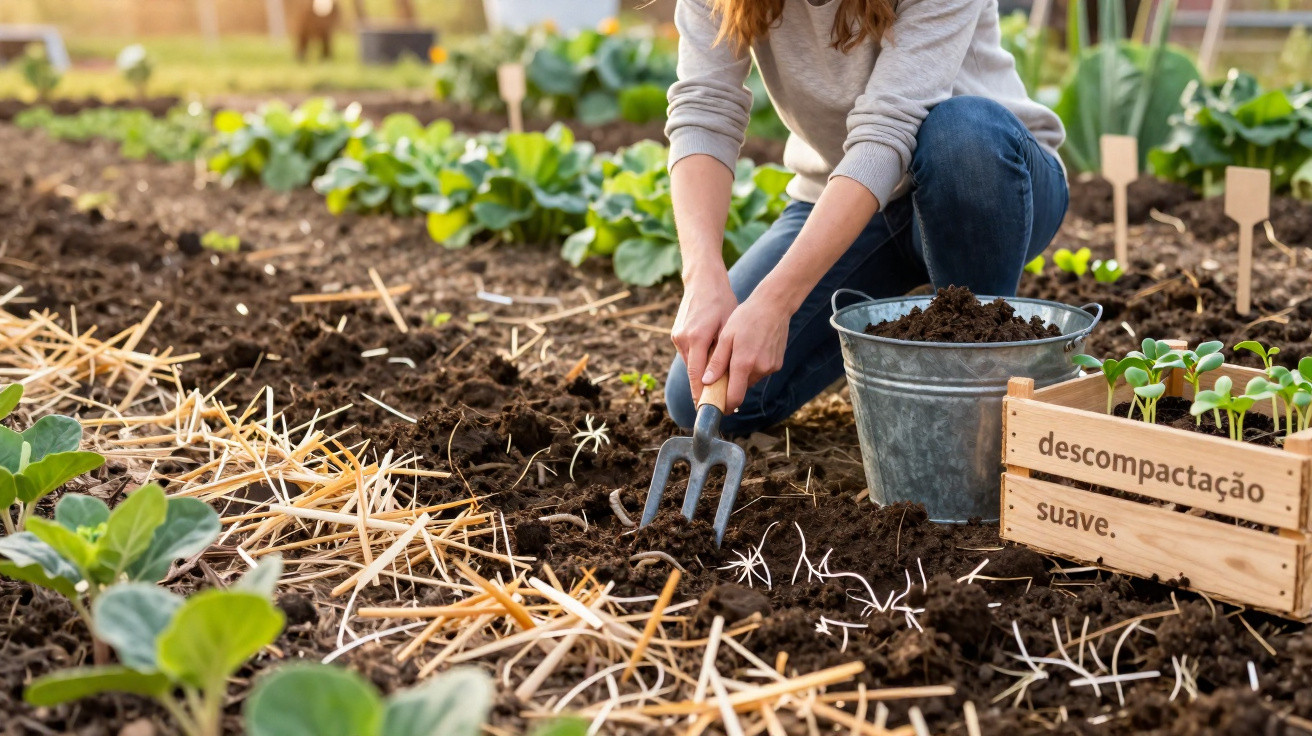
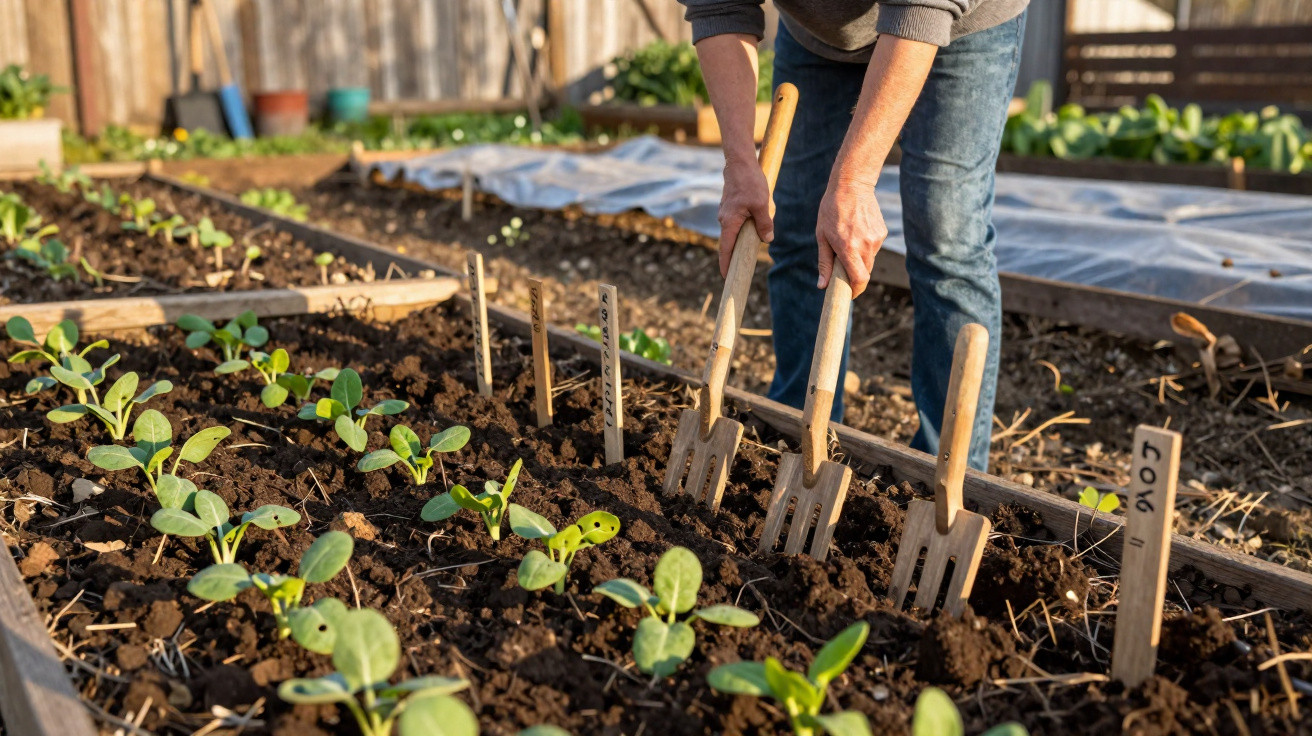
- Loosen the soil: Use a spade or digging fork to break up compacted areas, and remove substantial roots.
- Assess the site: How much sun reaches the hedge? How wet is the soil? Choose shrubs accordingly.
- Plan the mix: Combine evergreen and deciduous species, allowing for different mature heights.
- Plant correctly: Leave sufficient spacing for air to circulate – this reduces disease pressure.
Anyone unsure can hire a professional landscaping business for the basic structure, then take over maintenance themselves later.
An opportunity for more nature outside the front door
At first, many garden owners find saying goodbye to the standard red hedge frustrating. Behind that annoyance, however, lies an opportunity: replacing a single disease-prone plant with several resilient species also benefits birds, insects and soil organisms.
Mixed hedges offer flowers, berries, nesting opportunities and structure throughout the year. Pittosporum can form the ‘backbone’, while native woody plants add colour and life. Combined thoughtfully, they create dependable privacy screening while also enhancing the garden ecologically.
For anyone who will need to act over the coming years, it is worth looking ahead: rather than choosing another short-lived fashion favourite, Pittosporum and mixed hedges offer a durable, lower-stress solution – and make the garden feel less like an identikit housing development and more like a personal retreat.






Comments
No comments yet. Be the first to comment!
Leave a Comment